DbcultAccessing Vault...
4.4/10
Senior Film Conservator
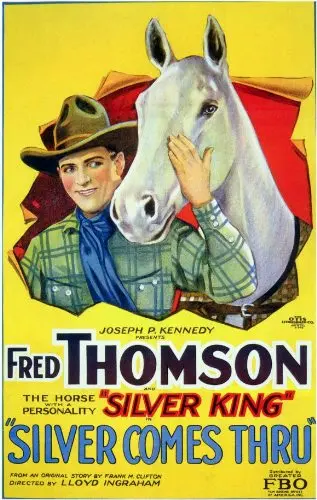
A definitive 4.4/10 rating for a film that redefined the boundaries of cult cinema. Silver Comes Through remains a cornerstone of transgressive art.
Is Silver Comes Through a lost classic or a dusty relic? Short answer: It is a high-octane artifact that proves the 1920s Western was more about kinetic energy than cowboy poetry. This is a film for those who appreciate the physical logic of silent action; it is not for those looking for the psychological nuance of a modern revisionist Western.
The film works because Silver King the Horse possesses more screen presence than most human actors of the 1920s. It fails because the antagonist, Stanton, is a cardboard cutout with motivations thinner than the film stock. You should watch it if you want to see the DNA of the modern action hero—stunts, speed, and a loyal sidekick.
In 1927, Fred Thomson was a titan of the box office, rivaling even Tom Mix in popularity. To understand Silver Comes Through, one must understand the cult of personality surrounding Thomson and his horse, Silver King. Unlike the gritty realism we see in modern Westerns, this film is a celebration of the 'Wonder Horse' subgenre. The horse is not a tool; he is a co-star with a distinct personality and a set of skills that would make a modern stunt performer blush.
The film opens with a sequence that establishes the bond between man and beast with refreshing simplicity. There is no long-winded exposition. We see Fred and Silver King moving in unison, a visual shorthand for the partnership that drives the narrative. Compared to the more theatrical performances in The Prince of Pilsen, Thomson’s approach is remarkably athletic. He doesn't just ride; he flows with the horse. It is a physical performance that prioritizes movement over melodrama.
Yes, this film is worth watching if you value the historical evolution of the Western genre and the physical artistry of silent film stunts. It offers a rare look at Fred Thomson, a star who once rivaled Tom Mix in popularity before his untimely death. The film provides genuine thrills through its animal performances that remain impressive even in the age of CGI. It is a sixty-minute sprint that never overstays its welcome.
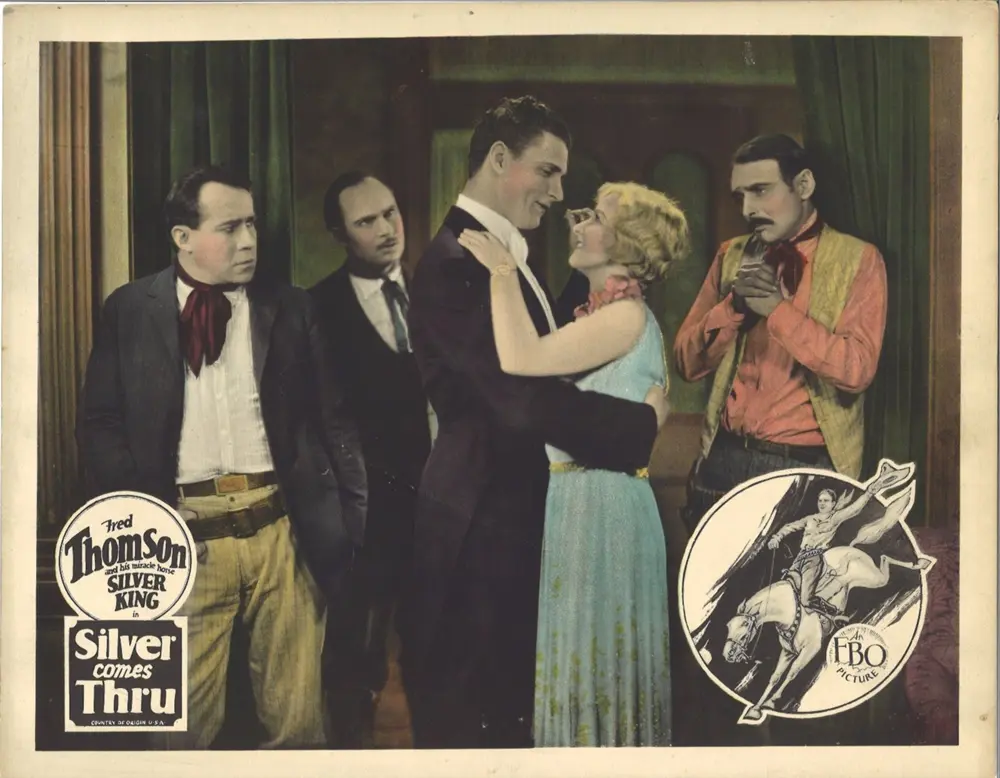
The screenplay by Frances Marion is a masterclass in silent efficiency. Marion, one of the most powerful women in early Hollywood, knew exactly how to structure a story for maximum impact. She avoids the narrative bloat found in some contemporary dramas like The Show. Instead, she leans into the tropes of the genre: the corrupt rival, the damsel in distress, and the final race. It is formulaic, but the execution is flawless.
The conflict is personal. When Harry Woods enters the frame as Stanton, the tension is immediate. Woods was a veteran of villainy, and he plays the role with a sneering entitlement that makes his eventual downfall deeply satisfying. He isn't a complex villain with a tragic backstory; he is a man who wants what he hasn't earned. This clarity of conflict allows the film to focus on its true strength: the action sequences. The horse is the hero. Everyone else is an extra.
Director Lloyd Ingraham understands the importance of the horizon. The desert landscapes in Silver Comes Through are not just backgrounds; they are obstacles. The cinematography uses wide shots to emphasize the speed of the horses, creating a sense of scale that was often missing from lower-budget Westerns of the era. The camera placement during the final race is particularly effective, catching the dust and the frantic motion of the hooves in a way that feels immersive.
The pacing is relentless. Unlike the slow-burn tension of Vengeance Is Mine!, this film operates at a high gear from the second act onwards. There is a specific scene where Silver King must navigate a narrow mountain pass to rescue Fred. The editing in this sequence is surprisingly modern, cutting between the horse's precarious footing and the villain's progress. It builds genuine suspense without the need for a single line of dialogue. It works. But it’s flawed.
Fred Thomson was an Olympic-level athlete before he was a movie star, and it shows. His physicality is the anchor of the film. While his acting might not have the depth of the performers in The Boat, he possesses a naturalism that was rare for the time. He doesn't rely on the exaggerated gestures common in silent drama. Instead, he uses his body to convey urgency and resolve.
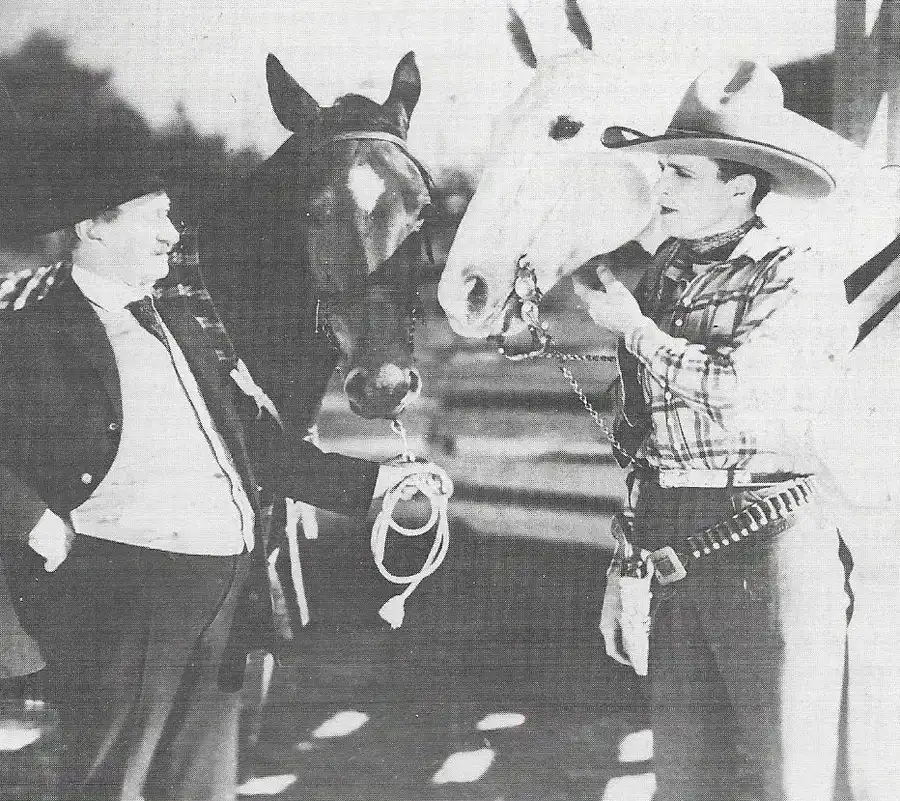
There is a surprising observation to be made here: Thomson’s chemistry with his horse is far more convincing than his chemistry with Edna Murphy. The scenes where he talks to Silver King—though we cannot hear him—feel intimate and grounded. The romantic subplot, by contrast, feels like a mandatory checklist item. It is the one area where the film loses its momentum, falling back on tired clichés that were already becoming stale by 1927.
Cons:
When placed alongside other 1927 releases like Finances of the Grand Duke, Silver Comes Through stands out for its lack of pretension. It isn't trying to be an epic or a political allegory. It is a genre film through and through. While films like The Charming Mrs. Chase were exploring domestic comedy, Thomson was pushing the boundaries of what could be achieved with live-action animal stunts.
"The horse is not merely a vehicle in this film; he is the moral center of the story, exhibiting a loyalty that the human characters struggle to emulate."
This focus on the animal's perspective gives the film a unique flavor. There is a sequence where Silver King is alone on screen, navigating an obstacle course of desert brush. The camera stays on him, allowing the audience to appreciate the horse's natural grace. It is a moment of pure cinema, free from the constraints of plot or dialogue. It is in these moments that the film truly shines.
Silver Comes Through is a lean, mean, and highly efficient piece of entertainment. It doesn't reinvent the wheel, but it polishes the spokes until they gleam. The horse is the star, the stunts are the draw, and Fred Thomson is the perfect vessel for this brand of athletic storytelling. While it lacks the emotional weight of a true classic, its technical proficiency and sheer energy make it a mandatory watch for anyone interested in the history of the Western. It is a reminder that before there were superheroes, there were men and their horses, performing feats of daring that didn't need a green screen to look spectacular.
IMDb —
1925
Community
Log in to comment.