DbcultAccessing Vault...
Cult Review
Senior Film Conservator
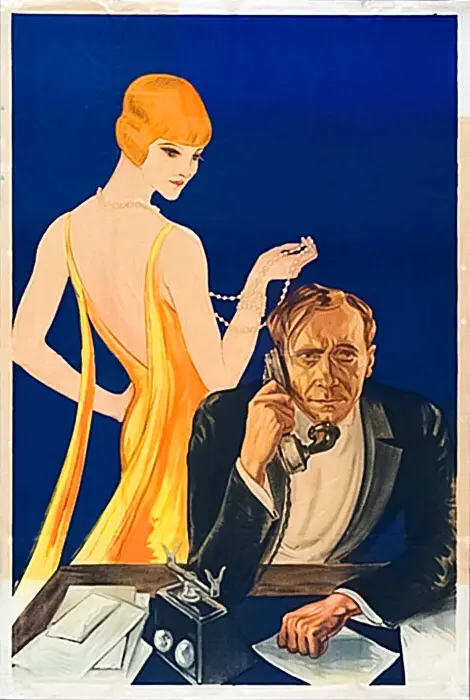
Is this film worth watching today? Short answer: yes, but only if you have an appetite for the sociopolitical anxieties of the Weimar Republic. This is not a film for the casual viewer seeking light entertainment; it is a dense, often cynical exploration of greed and systemic failure that demands your full attention.
This film is specifically for historians of silent cinema and those fascinated by the 'New Objectivity' movement in German art. It is absolutely not for viewers who struggle with the deliberate, slow-burn pacing of 1920s European dramas. It requires a level of patience that modern blockbusters have largely conditioned out of us.
1) This film works because: It captures the visceral, claustrophobic panic of a financial collapse with a realism that feels uncomfortably modern.
2) This film fails because: The middle act suffers from an over-reliance on intertitles to explain complex financial maneuvers, which slows the visual momentum.
3) You should watch it if: You want to see Alfred Abel deliver a performance that rivals his work in The Last Laugh, or if you are interested in how cinema processed the trauma of hyperinflation.
Paul Merzbach does not waste time with pleasantries. From the opening shots of the bustling Berlin streets, there is a sense of impending doom. The cinematography by the uncredited camera team focuses on the contrast between the cold, marble interiors of the bank and the chaotic, organic movement of the crowds outside. It is a visual representation of the class divide that defined the era.
The film’s portrayal of the bank itself is masterful. It isn't just a building; it is a temple of false promises. When the doors finally close on the desperate depositors, the silence of the medium works in the film's favor. You don't need to hear the screams to feel the vibration of the panic. It is a masterclass in tension building through static imagery.
Unlike the more fantastical elements seen in Northern Lights, this film stays grounded in the dirt and grit of the street. There are no ghosts here, only the specter of bankruptcy. The film feels heavy. It feels like the air in Berlin was thick with the scent of burning paper money.
Alfred Abel is the anchor of this production. Known for his ability to convey immense internal pressure through minimal movement, Abel portrays the banking elite not as mustache-twirling villains, but as men trapped by their own hubris. There is a specific scene where Abel sits alone in his office, the shadows of the window panes creating a cage across his face. It is a simple, effective piece of visual storytelling.
The supporting cast, including a young Hans Albers, provides a necessary counterpoint to Abel's restraint. While Albers would later become a massive star, here he is part of a larger machine. The ensemble works together to create a tapestry of a society that has lost its moral compass. They are all chasing a ghost—the ghost of stability.
One surprising observation: the film treats the female characters with a surprising amount of agency, albeit within the confines of their social standing. They are not merely victims of the crash; they are often the ones who see the writing on the wall before the men do. This adds a layer of domestic tension that elevates the film beyond a simple financial procedural.
If you are looking for a historical document that explains the psychological state of Germany in 1926, this is essential viewing. It bridges the gap between the expressionism of the early 20s and the harsh realism that would follow. It is a tough watch, but a rewarding one for those who value substance over spectacle.
The film’s relevance to modern financial crises is startling. The way the bank directors manipulate the narrative to keep the public calm is a precursor to modern PR spin. It shows that while technology changes, the mechanics of greed remain remarkably consistent. It’s a mirror. A dusty, cracked mirror, but a mirror nonetheless.
Paul Merzbach’s direction is disciplined. He avoids the flashy, distorted sets of earlier German films, opting instead for a cold, clinical realism. This choice makes the eventual collapse feel more 'real' and less like a fever dream. However, the pacing is undeniably uneven. The first thirty minutes are a whirlwind of introductions, while the middle section drags as it attempts to explain the intricacies of the bank's ledger.
The use of light is particularly noteworthy. As the bank's fortunes decline, the lighting becomes progressively harsher. By the final act, the characters are frequently caught in unforgiving spotlights, as if they are being interrogated by the camera itself. It is a subtle but effective way to heighten the stakes.
Comparing this to A Doll's House, which also deals with social reputation and financial secrets, Merzbach’s film is much more focused on the macro-economic scale. It isn't just about one family; it's about the entire city. The stakes are higher, and the fallout is much more public.
Der Bankkrach unter den Linden is a grim, necessary piece of cinema history. It is a film that refuses to offer easy comfort, choosing instead to stare directly into the abyss of a failing system. It works. But it’s flawed. The brilliance of the performances and the sharpness of the social critique outweigh the occasional lulls in pacing. It remains a stark reminder that when the banks fall, they take the soul of the city with them. It’s a 4-star historical drama trapped in a 3-star narrative structure.
"A chillingly prescient look at the fragility of the financial world, anchored by a career-defining performance from Alfred Abel."
IMDb —
1921
Community
Log in to comment.