DbcultAccessing Vault...
Cult Review
Senior Film Conservator
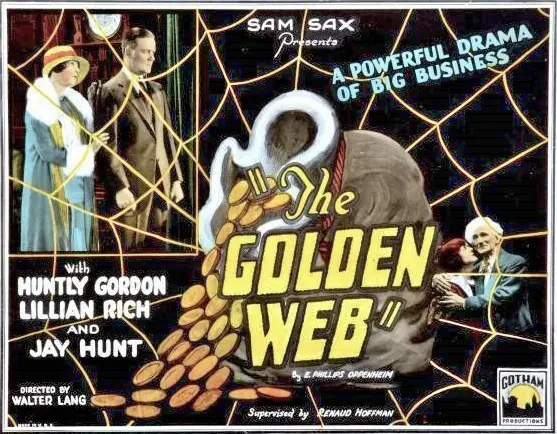
Does a silent film from nearly a century ago still hold narrative power in our fast-paced cinematic landscape? Short answer: yes, but with significant caveats. The Golden Web, a 1926 melodrama, offers a fascinating glimpse into the nascent stages of the thriller genre, driven by a classic tale of greed and injustice.
This film is undoubtedly for the dedicated silent film aficionado, the historian of early cinema, and those curious to witness the very formative years of actors like Boris Karloff. It is not for casual viewers expecting modern pacing, intricate character psychology, or sound. Approach it as a historical artifact with flashes of brilliance, and you’ll find something to appreciate.
This film works because: Its core mystery, though somewhat transparent, is compelling enough to drive the narrative forward with a certain earnest charm, effectively utilizing the dramatic conventions of its era.
This film fails because: Its reliance on broad character archetypes and a somewhat simplistic resolution often undermines the genuine tension it strives to build, leaving some emotional beats feeling underserved.
You should watch it if: You are a student of early Hollywood, eager to experience a foundational thriller, or if you simply enjoy the unique expressive artistry of silent cinema and want to see a pre-Frankenstein Boris Karloff.
The narrative of The Golden Web is a quintessential silent-era potboiler, centered on a valuable mine and the nefarious intentions of a truly despicable villain. The film wastes little time establishing its stakes: a mine, recently sold, has its deed stolen by a shyster and killer. This act isn't merely theft; it's the foundation of a blackmail scheme designed to consolidate power and wealth through illicit means.
The plot thickens considerably when the mine’s former owner finds himself framed for a murder he clearly did not commit. This cruel twist elevates the stakes from property dispute to a matter of life and death, placing him squarely on the path to the gallows. It’s a classic setup, echoing the dramatic urgency found in many films of the period, where justice often hangs by the thinnest thread.
It falls upon the formidable shoulders of his daughter and the mine’s new, rightful owner to untangle this intricate web of deceit. Their quest is not just to recover a document, but to save an innocent man from a wrongful execution. This partnership forms the emotional and investigative core of the film, providing a clear objective for the audience to rally behind.
While the premise is undeniably engaging, the film occasionally struggles with the delicate balance between exposition and visual storytelling. There are moments where crucial information is delivered through title cards, rather than being organically woven into the action. This reliance, while common for the era, can sometimes diminish the immediate impact of a revelation, turning a potential dramatic flourish into a simple plot point.
The cast of The Golden Web, led by Huntley Gordon and Lillian Rich, delivers performances that are earnest and indicative of the silent era’s particular demands. Gordon, as the new owner, embodies the steadfast hero with a confident stride and determined gaze. His portrayal leans into the archetype of the unflappable leading man, a figure of moral certitude navigating a world of shadows.
Lillian Rich, as the daughter fighting for her father’s life, brings a commendable blend of vulnerability and resolve. One particularly memorable scene sees her reacting to the news of her father’s framing, her wide eyes and clasped hands conveying a palpable sense of despair that quickly hardens into fierce determination. It’s a performance that, while broad by modern standards, effectively communicates the character’s emotional journey.
Lawford Davidson, portraying the villainous shyster, is perhaps the most captivating presence on screen. He revels in his character's depravity, his sneering expressions and overtly menacing gestures leaving no doubt as to his malevolent intentions. His performance is a masterclass in silent-era villainy, where every twitch of a lip or furrow of a brow contributes to the character's sinister aura. It’s a stark contrast to the more nuanced antagonists we see today, but perfectly suited for the moral clarity of the period.
And then, there’s Boris Karloff. Even in a relatively minor role, Karloff’s distinctive physicality and intense gaze are immediately recognizable. His presence, though brief, adds a layer of simmering menace to the proceedings. It’s an unconventional observation, but one can already glimpse the nascent talent for embodying dark, complex figures that would define his later career in iconic films like The Moral Sinner and, of course, Frankenstein. His early work here is a fascinating precursor, hinting at the gravitas he would soon command.
The supporting cast, including Nora Hayden and Jay Hunt, fill their roles adequately, providing necessary texture to the film’s world. While their performances don't always reach the dramatic heights of the leads, they contribute to the overall atmosphere. The collective acting style, characterized by exaggerated gestures and expressive facial work, is a hallmark of the silent era, and The Golden Web embraces it fully, for better or worse.
James Bell Smith’s direction for The Golden Web is competent and straightforward, prioritizing clear storytelling over stylistic flourishes. The cinematography, while not groundbreaking, effectively utilizes the tools available to silent filmmakers to establish mood and advance the plot. There's a particular attention to lighting, especially in scenes involving the villain, where shadows are often used to deepen his ominous presence, casting his face in dramatic chiaroscuro.
The film's pacing is generally measured, building suspense through a series of discoveries and confrontations rather than rapid-fire action. This deliberate rhythm allows the audience to absorb the unfolding drama, though some modern viewers might find it slow in parts. A specific example of effective visual storytelling comes during a key sequence where the daughter discovers a hidden clue. The camera focuses tightly on her hands as she uncovers the object, then cuts to a close-up of her surprised expression, clearly conveying the revelation without a title card.
However, the direction occasionally misses opportunities for greater dramatic impact. There are moments of high tension, such as the framing of the father for murder, that could have been amplified with more dynamic camera work or editing. Instead, these scenes sometimes feel a little flat, relying heavily on the actors’ expressions and the accompanying musical score (which, in a modern viewing, is often a contemporary accompaniment rather than the original). The film's reliance on title cards to convey crucial plot twists, rather than visual exposition, often robs these moments of their potential dramatic impact. This is a debatable point, as it was a convention of the time, but it certainly impacts its resonance today.
The set design, while not lavish, is functional and serves the story. The mine itself, for instance, is depicted with enough realism to feel like a tangible, valuable asset, underpinning the greed that drives the central conflict. The interiors, though simple, provide adequate backdrops for the dramatic confrontations. It’s a film that gets the job done visually, without aspiring to the grand spectacle of some of its contemporaries like The Battle of Hearts.
At its heart, The Golden Web is a morality play about justice and the corrupting influence of greed. The film starkly contrasts the innocent, hardworking individuals with the avaricious, scheming villain. This clear delineation of good and evil is a common thematic thread in silent cinema, reflecting a societal desire for clear moral boundaries in a rapidly changing world. The mine itself serves as a powerful symbol of opportunity and wealth, becoming the catalyst for both great evil and heroic endeavor.
The theme of wrongful accusation and the fight for an innocent man's life resonates deeply, tapping into universal fears of injustice. The daughter’s tireless efforts to clear her father’s name speak to the enduring power of familial love and loyalty. This emotional core provides much of the film’s dramatic weight, even when other elements might falter. It's a testament to the script by James Bell Smith and E. Phillips Oppenheim that these themes, though presented broadly, still manage to connect.
However, the film’s exploration of these themes is, by necessity of its era, somewhat superficial. There’s little room for moral ambiguity or complex character motivations beyond the immediate plot. The villain is purely evil, the heroes purely good. While this straightforward approach makes for an easily digestible narrative, it does limit the film’s potential for deeper psychological insight. The emotional weight often feels manufactured, rather than organically developed, which is a strong, debatable opinion for a film of this period.
Despite this, the film touches upon the fragility of truth and the power of manipulation, ideas that remain relevant today. The ease with which the villain frames an innocent man highlights a fundamental anxiety about the justice system. In this regard, The Golden Web functions as more than just a period piece; it offers a timeless reflection on the struggle between right and wrong, and the often-perilous journey to uncover the truth.
The pacing of The Golden Web is characteristic of many silent-era thrillers, relying on a gradual build-up of tension rather than rapid-fire action. The early scenes meticulously establish the characters and the central conflict, allowing the audience to become invested in the fate of the mine and its rightful owners. This deliberate approach might test the patience of viewers accustomed to modern, quick-cut editing, but it serves to immerse one in the period's storytelling rhythm.
The film finds its stride as the investigation into the stolen deed and the wrongful murder accusation gains momentum. There are moments of genuine suspense, particularly when the daughter and the new owner are close to uncovering a crucial piece of evidence, or when they face direct threats from the antagonist. A specific example of effective pacing occurs during a search sequence, where quick cuts between characters’ reactions and the objects they scrutinize heighten the sense of urgency, even without spoken dialogue.
However, there are also lulls. Some transitions between scenes feel abrupt, and certain plot developments are rushed through title cards, preventing a full absorption of their impact. This unevenness in pacing is a common challenge for silent films, where the absence of spoken dialogue sometimes necessitated a more expository approach to narrative progression. The storytelling here feels more akin to the straightforward narratives found in films like The Fear Fighter, focusing on clear hero-villain dynamics without much narrative fat.
The tone of the film is primarily one of earnest melodrama, punctuated by moments of genuine suspense. The danger to the father is consistently felt, and the determination of the heroes provides a hopeful counterpoint. While it never reaches the dark, brooding atmosphere of some later thrillers, it maintains a consistent level of dramatic engagement. It works. But it’s flawed.
For silent film enthusiasts and those interested in cinematic history, yes, The Golden Web is absolutely worth watching. It provides a solid example of early thriller filmmaking.
It's a valuable historical artifact, showcasing the acting styles and narrative conventions of the 1920s.
You get to see Boris Karloff in an early, pre-stardom role, which is a treat for fans of horror and classic cinema.
The core mystery, though simple, remains engaging.
However, if you're not accustomed to silent films, the pacing and reliance on title cards might be challenging.
The Golden Web is a film that, while not a lost masterpiece, is far from a mere historical footnote. It stands as a robust example of silent-era genre filmmaking, delivering a competent, if occasionally clunky, thriller experience. Its strengths lie in its clear narrative drive, the compelling villainy on display, and the earnest performances that anchor its dramatic core. For its era, it’s a perfectly serviceable mystery that understood its audience.
For contemporary viewers, especially those new to silent cinema, it serves as an accessible entry point, demonstrating the power of visual storytelling even without dialogue. It offers a unique window into the foundations of suspense, reminding us that the blueprint for many modern thrillers was laid in these early, ambitious productions. While it may not leave you breathless, it will certainly leave you with a richer appreciation for the cinematic journey that led us to where we are today. Give it a chance, but adjust your expectations for a journey back in time, not a modern blockbuster.
IMDb 6
1929
Community
Log in to comment.