DbcultAccessing Vault...
Cult Review
Senior Film Conservator
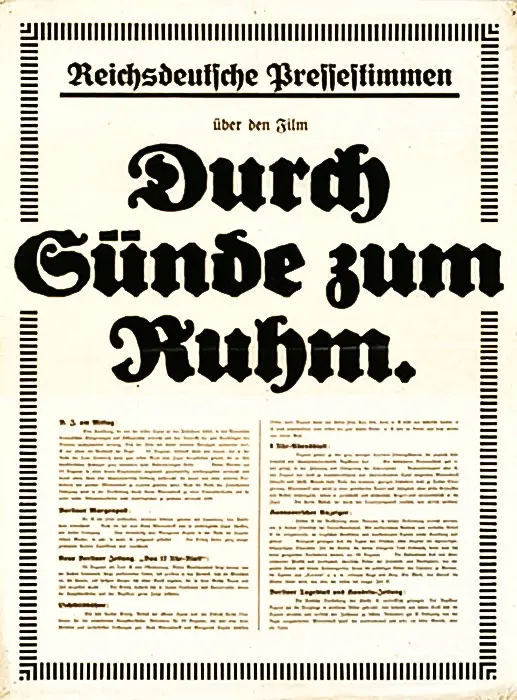
Der Demütige und die Tänzerin
Harald Paulsen stars as Toni, a young woman with a voice that dreams of reaching the heights of opera stardom. Her journey, however, is fraught with obstacles and unexpected twists. Her mother, a once-famous chanteuse, has left behind a legacy but also a set of expectations that Toni must navigate. She marries the powerful and brutal industrialist, Liesegang, a choice that sets the stage for a series of dramatic events. The film’s narrative is further enriched by the introduction of an Italian doctor who falls deeply in love with Toni, igniting a dangerous plot to eliminate her husband.
Harald Paulsen brings a nuanced performance to the role of Toni, capturing the artist’s struggle for self-fulfillment and the pain of unfulfilled dreams. His portrayal is both passionate and vulnerable, making Toni’s journey deeply relatable. The chemistry between Paulsen and Lil Dagover, who plays the Italian doctor, is palpable, adding layers of complexity to the love triangle that forms the heart of the film.
Lil Dagover’s character, the Italian doctor, is a fascinating point of contention in the story. Her passion and dedication to Toni’s happiness are tested against her loyalty to her husband. Dagover’s performance is intense and magnetic, making her character both sympathetic and enigmatic. Her scenes with Paulsen are particularly compelling, showcasing the intensity of their relationship and the moral dilemmas it presents.
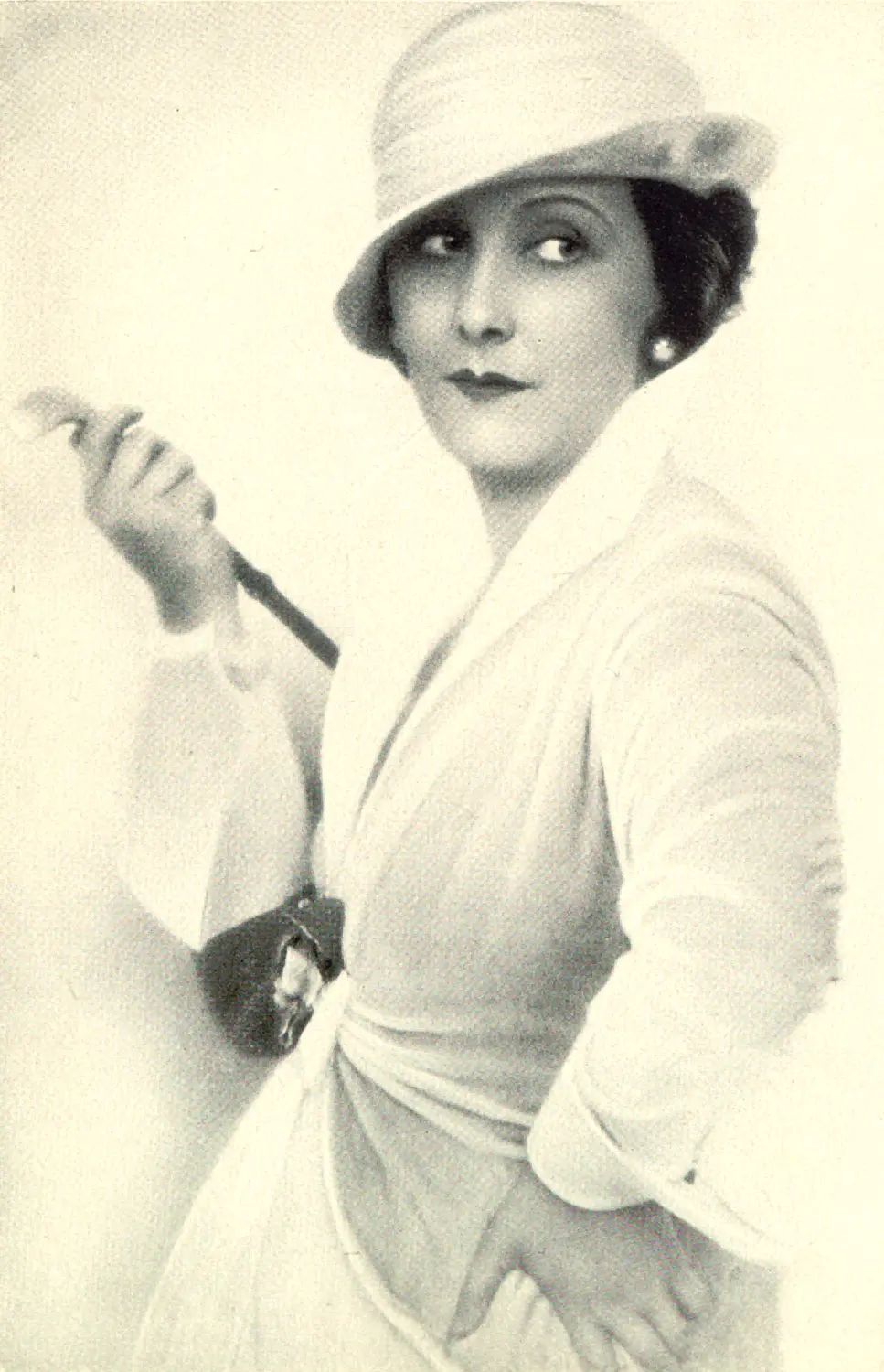
The plot of Der Demütige und die Tänzerin is a masterclass in storytelling. It balances the personal and the political, exploring themes of ambition, love, and betrayal with remarkable depth. The film’s narrative structure is intricate, with flashbacks and foreshadowing that add layers of complexity to the story. The love triangle that forms the central conflict is both tragic and compelling, with each character motivated by their own desires and fears.
Max Glass and Ewald André Dupont, the writers, have crafted a screenplay that is both poetic and powerful. Their dialogue is rich with emotion, and the script manages to capture the essence of the characters’ inner lives without descending into melodrama. The film’s visual style is equally commendable. The sets and costumes are beautifully detailed, reflecting the opulence of the industrialist world and the simplicity of the opera stage. The cinematography is stunning, capturing the emotional intensity of the scenes and the contrast between different characters’ lives.
Comparison with Other Films
While Der Demütige und die Tänzerin stands on its own merits, it draws thematic parallels with other films that explore the complexities of love and ambition. For instance, the intense love triangle in this film can be compared to the dynamics in Young Ideas, where the pursuit of personal fulfillment often leads to conflict within close relationships. The film also shares thematic elements with West Meets East, which also deals with cultural and personal identity.
In conclusion, Der Demütige und die Tänzerin is a remarkable film that delves deeply into the lives of its characters, exploring the complexities of love, ambition, and the challenges of following one’s dreams. It is a testament to the power of storytelling and the ability of cinema to capture the human experience in all its messy glory. This film is not just a product of its time; it resonates with contemporary audiences, offering insights into the timeless themes of love and ambition.
IMDb 5.1
1928
Community
Log in to comment.