DbcultAccessing Vault...
Cult Review
Senior Film Conservator
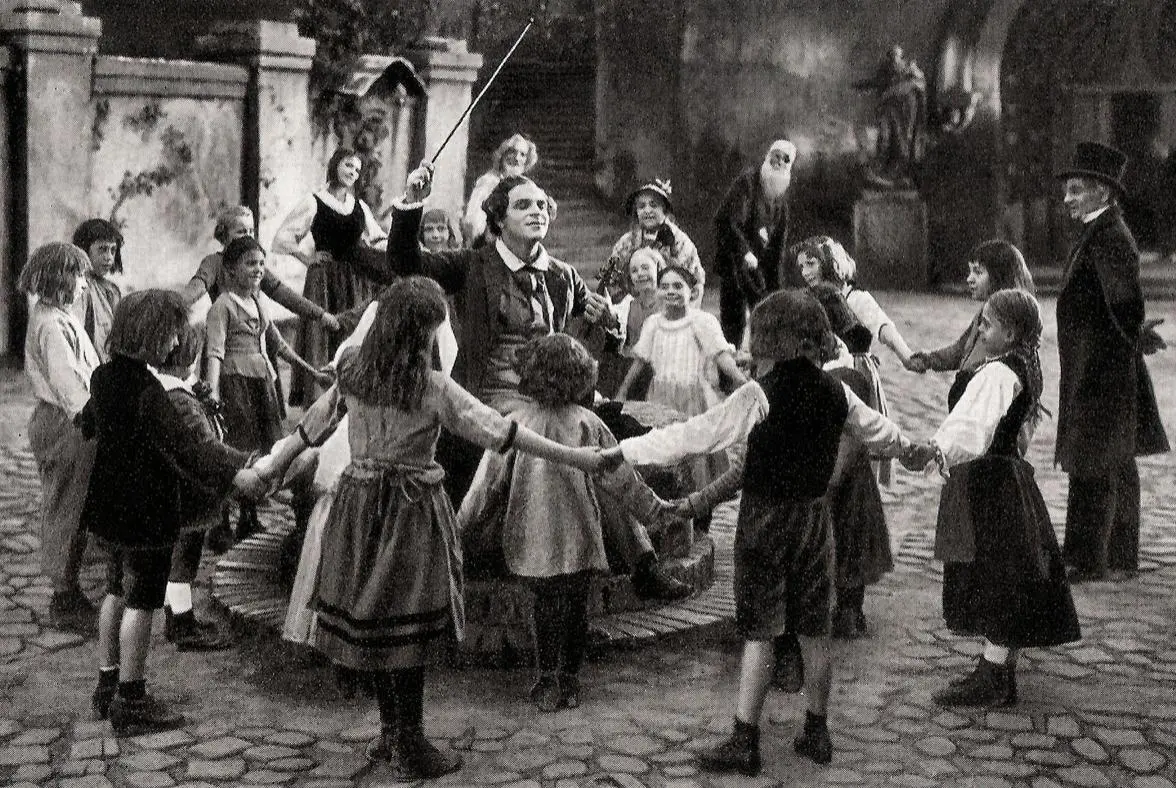
In the scorching landscape of 'Der Evangelimann', Mathias, an evangelist of unyielding conviction, finds himself hopelessly entwined in a romance with the enchanting Martha. Their love, pure and unadulterated, is a beacon of solace in a world fraught with turmoil. Yet, this tender bond is imperiled by the machinations of Johannes, Mathias's brother, whose heart, once filled with fraternal affection, has begun to seethe with an unrelenting jealousy.
The narrative, penned by Holger-Madsen, Wilhelm Kienzl, and Hermann Kienzl, masterfully orchestrates a tale of love, betrayal, and retribution, drawing the audience into a maelstrom of emotions. As Mathias and Martha pledge their fidelity, Johannes's rancor reaches a fever pitch, his actions becoming increasingly erratic and malevolent. The cinematography, a testament to the artistry of the era, captures the anguish and despair that permeate the narrative, rendering the viewer helplessly enthralled.
The performances of the cast are a tour de force, with Sigrid Onegin and Jacob Feldhammer delivering nuanced portrayals of Martha and Mathias. Their on-screen chemistry is palpable, imbuing their characters with a depth and complexity that transcends the silver screen. The supporting cast, including Dr. Jockl and Paul Hartmann, add layers to the narrative, their characters expertly woven into the fabric of the story.
The destruction wrought by Johannes's actions serves as a poignant reminder of the devastating consequences of unchecked passion and the corrosive nature of jealousy. This theme, expertly explored throughout the narrative, resonates deeply with the viewer, evoking a sense of empathy and understanding. As the story hurtles towards its climax, the tension builds, culminating in a denouement both heart-wrenching and cathartic.
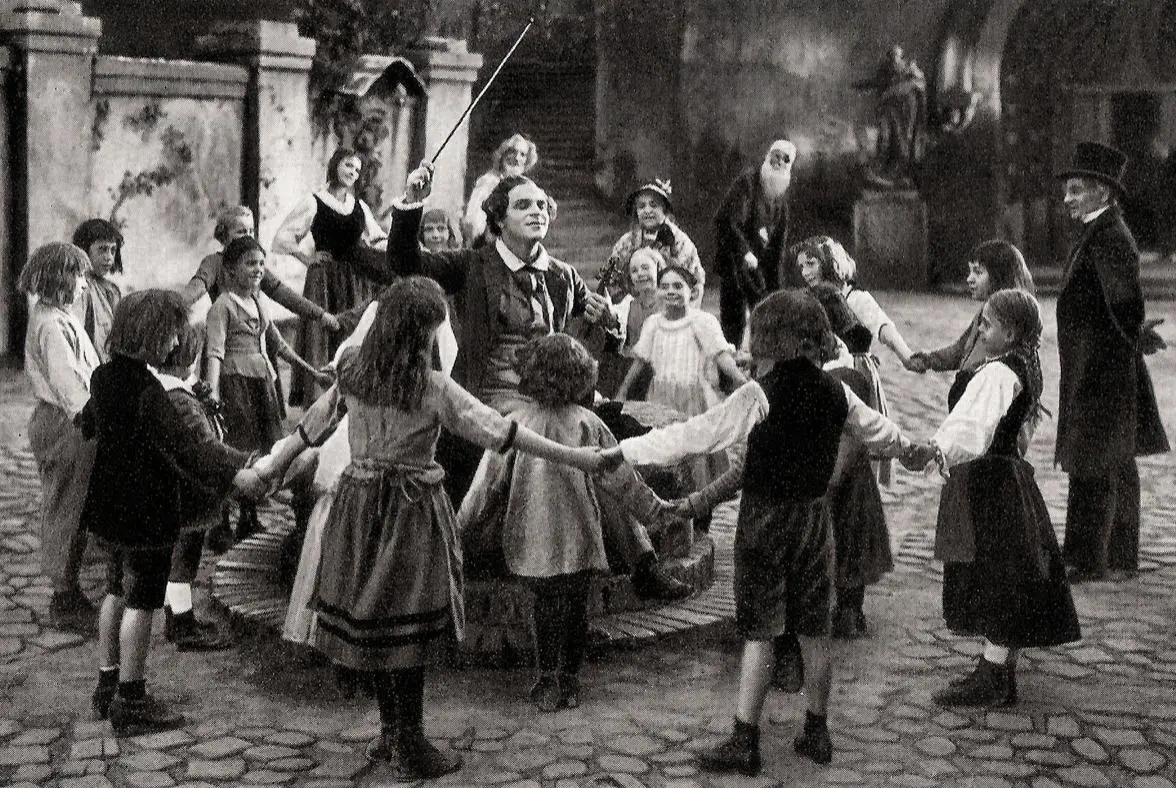
In comparison to other films of the era, 'Der Evangelimann' stands alongside 'Pace That Kills' and 'The Winning of Sally Temple' as a testament to the enduring power of silent cinema. The film's use of visual storytelling, coupled with its exploration of the human condition, draws parallels with 'Madame Du Barry' and 'Det gamle fyrtaarn'. While differing in tone and narrative, these films share a common thread – a deep understanding of the complexities of human emotion.
The direction, helmed by Holger-Madsen, is a masterclass in restraint and subtlety. The use of lighting, shadow, and composition creates a visually stunning tableau, drawing the viewer into the world of the film. This attention to detail, evident throughout the narrative, serves as a testament to the craftsmanship of the filmmakers.
As the curtain falls on 'Der Evangelimann', the viewer is left to ponder the devastating consequences of Johannes's actions. The film's conclusion, both haunting and thought-provoking, lingers in the mind long after the credits roll. This, coupled with the outstanding performances and masterful direction, solidifies 'Der Evangelimann' as a must-see for aficionados of silent cinema.
In the realm of cinematic history, 'Der Evangelimann' occupies a unique position, one that warrants exploration and discovery. For those seeking a film that will evoke, disturb, and ultimately leave a lasting impression, 'Der Evangelimann' is an essential viewing experience.
IMDb —
1917
Community
Log in to comment.