DbcultAccessing Vault...
6.2/10
Senior Film Conservator
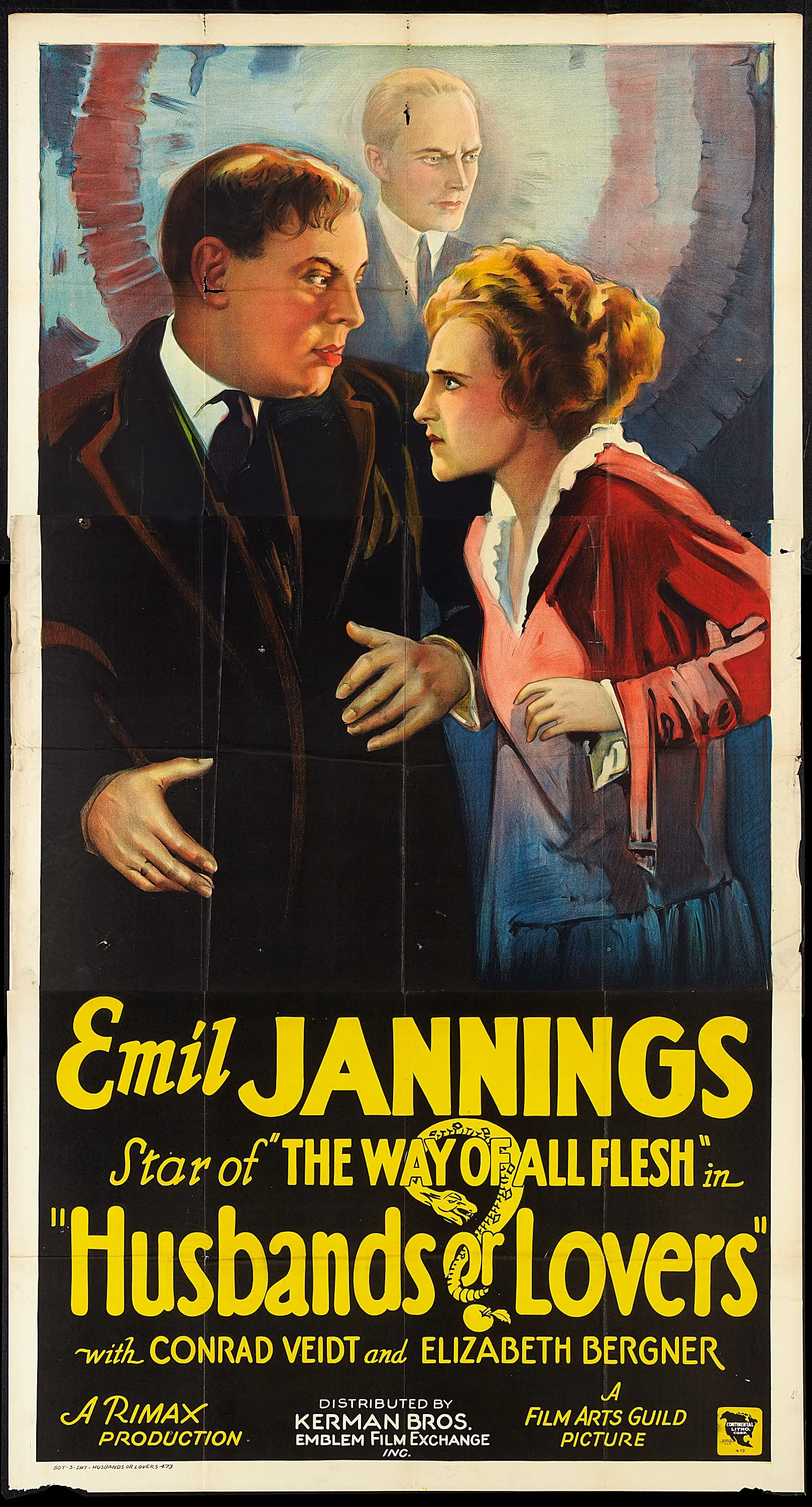
A definitive 6.2/10 rating for a film that redefined the boundaries of cult cinema. Husbands or Lovers remains a cornerstone of transgressive art.
In the midst of a lackluster marriage, a woman's life takes a dramatic turn with the introduction of a charismatic poet. This film, Husbands or Lovers, presents a thought-provoking examination of love, desire, and the human condition.
The film, starring Emil Jannings, Maria Bard, and Walter Werner, is a masterful exploration of the complexities of human emotion. The cinematography is striking, with a muted color palette that perfectly captures the monotony of the protagonist's daily life. As she navigates her feelings for her husband and the poet, the camera work becomes increasingly expressive, mirroring the turmoil within her.
One of the standout aspects of Husbands or Lovers is its nuanced portrayal of female desire. The protagonist, played by Maria Bard, is a complex and multifaceted character, driven by a deep-seated need for connection and passion. Her journey is both captivating and heartbreaking, as she grapples with the consequences of her choices.
The supporting cast is equally impressive, with notable performances from Walter Werner and Emil Jannings. The chemistry between the leads is palpable, and their interactions are fraught with tension and emotion. The script, penned by Paul Czinner and Ossip Dymow, is intelligent and insightful, offering a thoughtful exploration of the human experience.
In comparison to other films of its era, Husbands or Lovers stands out for its bold and unflinching portrayal of female desire. While films like Richelieu and Dangerous Days offer more traditional portrayals of love and relationships, Husbands or Lovers is a true outlier. Its willingness to tackle complex themes and emotions makes it a must-see for fans of classic cinema.
The film's themes of love, loyalty, and personal fulfillment are timeless and universal. As the protagonist navigates her feelings for her husband and the poet, she must confront the stifling monotony of her current life and the uncertain allure of a potentially liberating affair. This nuanced portrayal of human emotion is both captivating and thought-provoking, inviting viewers to ponder the intricacies of love and desire.
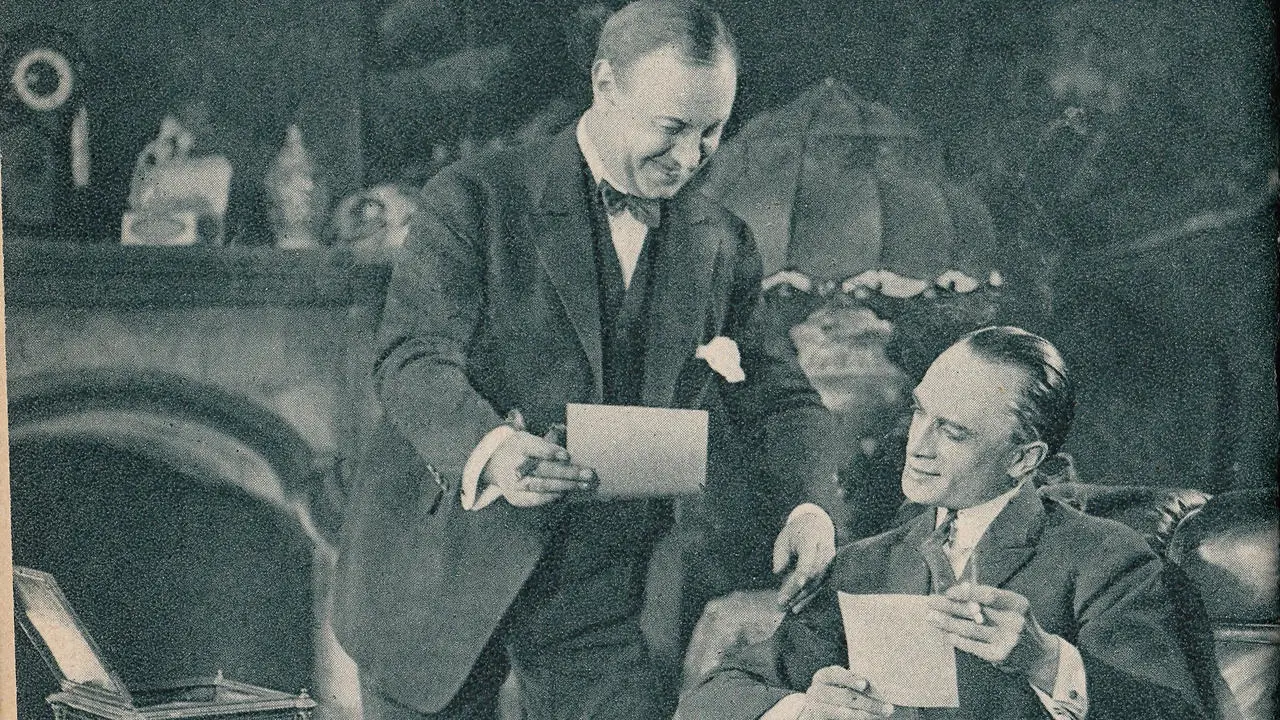
One of the most striking aspects of Husbands or Lovers is its use of symbolism. The poet, played by Walter Werner, is a symbol of passion and creativity, while the husband, played by Emil Jannings, represents stability and security. The protagonist's journey is a delicate balancing act between these two opposing forces, and the film's use of symbolism adds depth and complexity to the narrative.
The film's score is equally impressive, with a haunting and evocative soundtrack that perfectly captures the mood and atmosphere of each scene. The cinematography is also noteworthy, with a muted color palette that perfectly captures the monotony of the protagonist's daily life.
In addition to its technical merits, Husbands or Lovers is also notable for its performances. The cast is excellent, with standout performances from Maria Bard and Walter Werner. The chemistry between the leads is palpable, and their interactions are fraught with tension and emotion.
The film's exploration of female desire is both nuanced and thought-provoking. The protagonist's journey is a complex and multifaceted one, driven by a deep-seated need for connection and passion. Her struggles are both captivating and heartbreaking, and her ultimate decision is both surprising and inevitable.
Overall, Husbands or Lovers is a masterpiece of cinematic storytelling. Its nuanced portrayal of human emotion, combined with its technical merits and standout performances, make it a must-see for fans of classic cinema. If you're looking for a film that will challenge your assumptions and leave you thinking long after the credits roll, then Husbands or Lovers is the film for you.
In conclusion, Husbands or Lovers is a film that will resonate with viewers long after the credits roll. Its exploration of love, desire, and the human condition is both thought-provoking and deeply moving. With its standout performances, nuanced script, and technical merits, it is a true classic of world cinema.
IMDb 6.4
1936
Community
Log in to comment.