DbcultAccessing Vault...
Cult Review
Senior Film Conservator
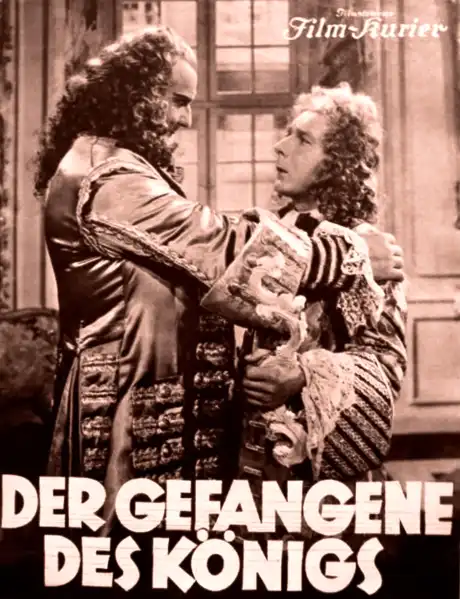
Honestly, you probably know if you’re the type to enjoy this before you even hit play. If you find comfort in 1930s period pieces, dusty archives, and actors who deliver every line as if they’re afraid of waking the neighbors, then pull up a chair. If you’re looking for something with a bit more grit or, you know, a heartbeat, keep scrolling. This is definitely not for the impatient viewer.
Watching this felt like digging through a box of old photos in an attic. There’s a specific smell to it—or at least, I imagined there was. The film moves at a pace that I can only describe as leisurely bordering on asleep. Every room feels carefully staged, almost too much so. You can see the actors measuring their steps to hit their marks, which kills the tension a bit.
There is this one moment in the second act involving a letter—it felt like it lasted twenty minutes. I spent most of the time staring at the wood paneling in the background. Is it real oak? Probably not. It’s the kind of detail that catches your eye when the dialogue starts looping back on itself.
It reminded me a little of the pacing in Maria do Mar, where everything just hangs in the air for a second too long. But while that film had a certain raw soul, Der Gefangene des Königs feels like it’s wearing a corset it can’t quite breathe in.
Hans Junkermann really knows how to hold a room, I’ll give him that. He’s got that stern, permanent squint that says 'I’ve seen everything and I’m disappointed by all of it.' It works for the character, I suppose. O.E. Hasse shows up, and suddenly the scene feels like it’s actually trying to go somewhere. He’s the only one who seems to be having any fun with the script, even if it is just a subtle smirk here and there.
I found myself drifting off during the scenes with the broader ensemble cast. It’s hard to keep track of who is betraying whom when everyone is wearing the same three shades of grey wool. They all look like they are holding their breath.
Is it a masterpiece? No. It’s a relic. It feels like a movie made by people who were very, very serious about being polite. Sometimes that’s enough to keep you watching, just to see if the main character finally cracks a smile. Spoiler: he doesn’t.
If you like films like As You Like It for the historical setting, you might find something to love here. Just don't expect it to move you. It’s more of a museum piece than an experience. Still, it’s not as painfully dull as some of the other stuff from that era. That counts for something, right? 🕰️
IMDb 5.9
1916
Community
Log in to comment.