DbcultAccessing Vault...
Cult Review
Senior Film Conservator
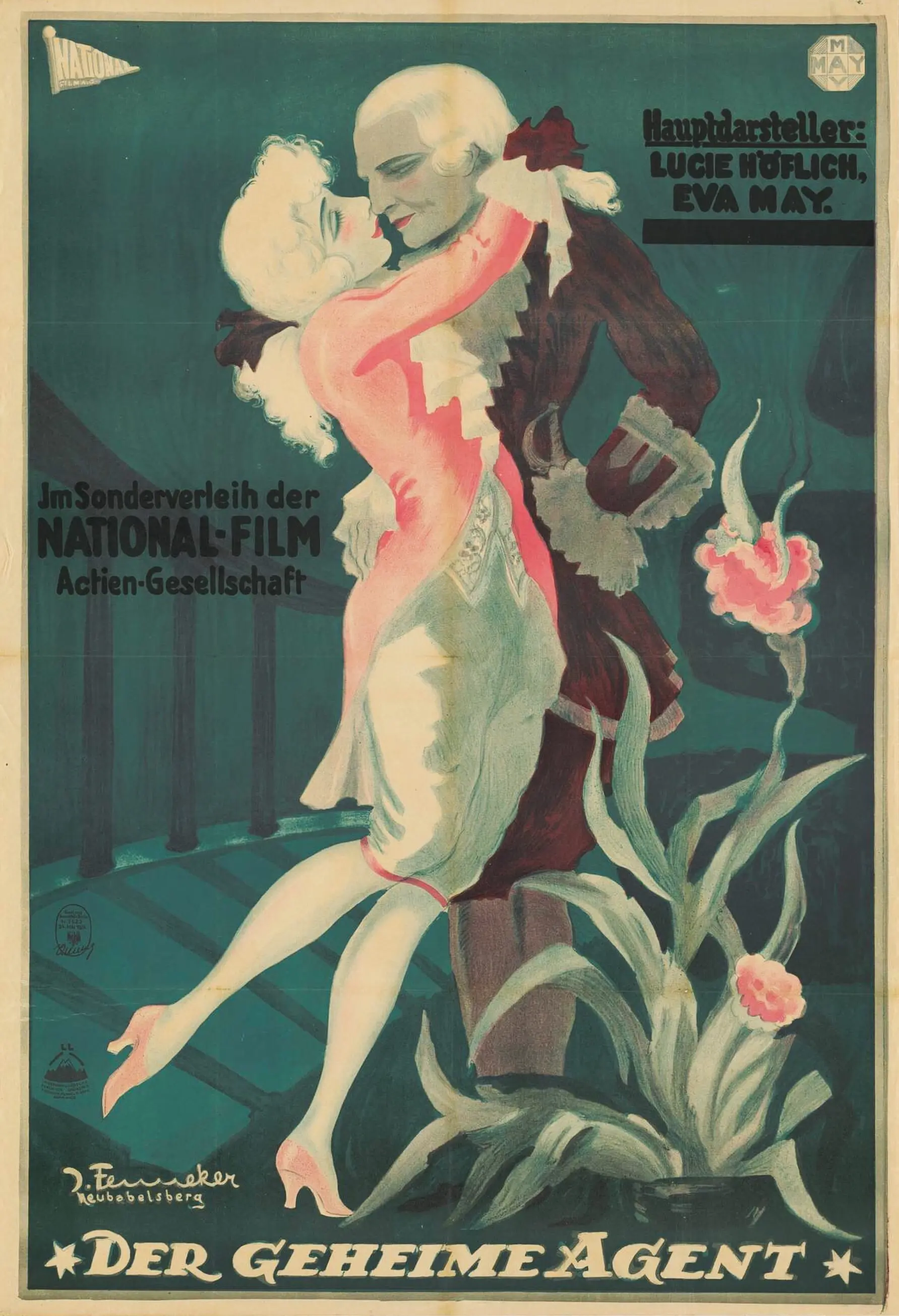
The screen opens to a world where political machinations and familial drama intertwine. The Duchess, a formidable and iron-fisted ruler, governs a small nation with an iron hand. Her son, a figure of both reverence and suspicion, falls in love with his niece, a relationship that is as forbidden as it is perilous. The ministers, wary of any potential threat to the status quo, summon a private investigator to uncover the truth behind this burgeoning romance. The film, a blend of silent-era elegance and modern psychological complexity, delves into the intricacies of loyalty, love, and power.
The visual aesthetics of Der geheime Agent are striking, with a muted palette that evokes the somber atmosphere of the political landscape. Director's deft hand in crafting the narrative ensures that every scene is charged with tension, from the initial embrace of forbidden love to the final confrontation that threatens to unravel the delicate balance of power. The performances, particularly those of Eva May and Leonhard Haskel, are nuanced and deeply compelling, bringing layers of emotion to the characters.
The script, penned by Arthur Rosen, Willy Haas, and Adolf Lantz, is a masterclass in subtext and implication. Each line is pregnant with meaning, and the dialogue often skirts around the edges of the truth, leaving the audience to piece together the events. The complexity of the plot is further enhanced by the presence of multiple characters, each with their own agenda and secrets, creating a rich tapestry of intrigue.
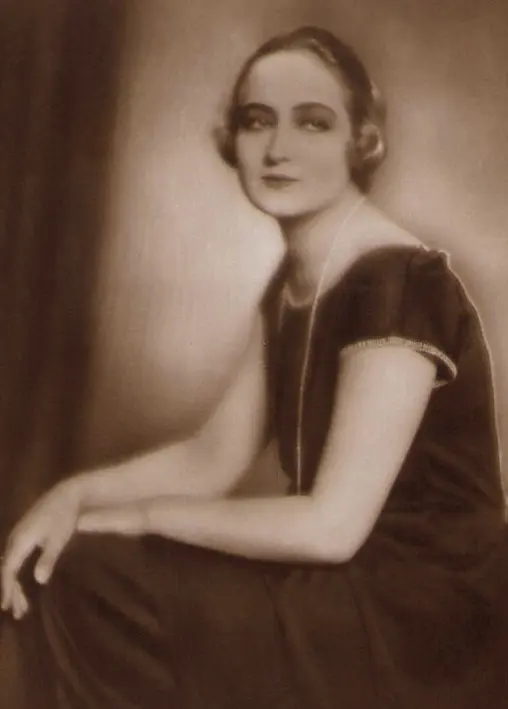
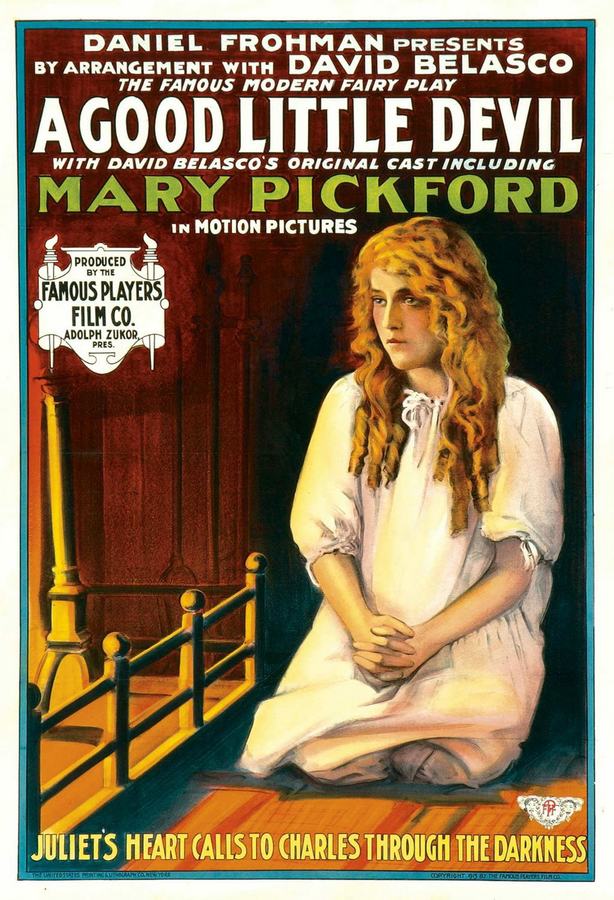
One cannot help but draw parallels between Der geheime Agent and other silent-era films that explore similar themes of political machinations and personal passion. Films like Pace That Kills and Madame Du Barry offer a glimpse into the genre's fascination with power struggles and the personal toll they take. However, Der geheime Agent stands out for its intricate narrative and the depth of its character development. It is a film that demands attention, inviting viewers to unravel its mysteries one scene at a time.
The cinematography is a testament to the era's visual language, with long, sweeping shots that capture the grandeur of the setting while subtly hinting at the underlying tensions. The use of light and shadow, particularly in scenes set indoors, adds to the film's atmospheric quality. The score, while not as prominently featured as in some contemporary films, complements the visuals, enhancing the mood of suspense and revelation.
Der geheime Agent is a film that rewards repeated viewings. Each time, new details emerge, and the layers of the story deepen. It is a testament to the art of storytelling in the silent era, where the power of suggestion and implication is as potent as any spoken word. The film's exploration of forbidden love and the consequences of power politics makes it a compelling watch for anyone interested in the silent film era or political dramas in general.
In conclusion, Der geheime Agent is a film that transcends its time, offering a rich and nuanced exploration of complex themes. Its visual and narrative sophistication make it a standout in the genre, and it is a must-watch for film enthusiasts and general audiences alike. It is a film that invites not just passive consumption but active engagement, a true testament to the enduring power of cinema to capture the human experience.
IMDb 5.9
1914
Community
Log in to comment.