DbcultAccessing Vault...
5.9/10
Senior Film Conservator
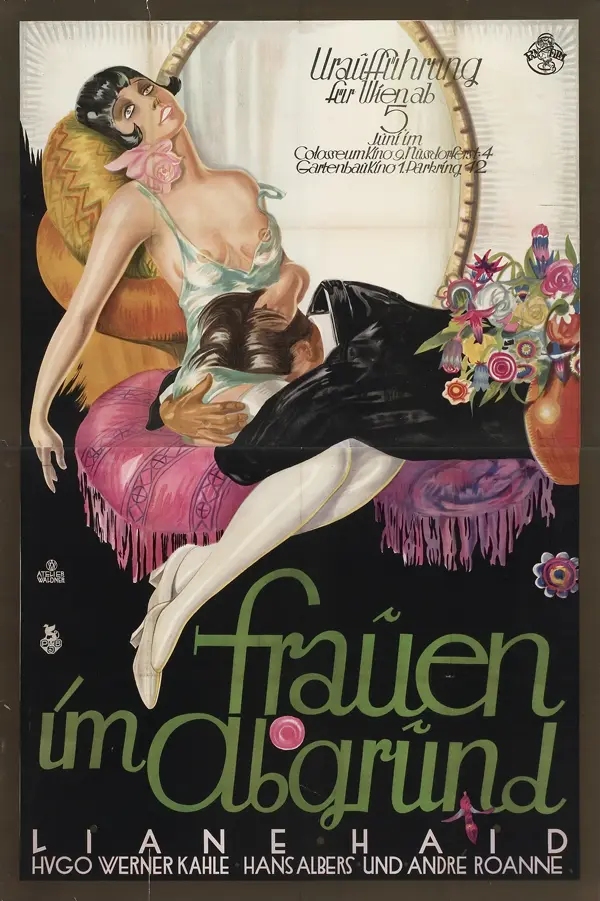
A definitive 5.9/10 rating for a film that redefined the boundaries of cult cinema. Der goldene Abgrund remains a cornerstone of transgressive art.
Is Der goldene Abgrund worth watching in an era saturated with CGI spectacle and intricate narratives? Short answer: yes, but with significant, historical caveats that demand a particular kind of cinematic appreciation. This film is a fascinating, if imperfect, relic of early 20th-century filmmaking that offers a unique window into a bygone era of grand, ambitious storytelling.
This film is emphatically for enthusiasts of early European cinema, those who appreciate the theatricality, the visual ambition, and the earnest melodrama that defined the silent and early sound eras. It will resonate deeply with viewers who are drawn to mythological adventure, operatic romance, and the spectacle of practical effects. Conversely, it is decidedly not for audiences seeking modern pacing, subtle character development, or a narrative that strictly adheres to contemporary logical constructs. If you require fast cuts, morally ambiguous protagonists, or dialogue-heavy exposition, Der goldene Abgrund will likely test your patience more than reward it.
Let’s cut to the chase for those wondering if this dive into cinematic history is truly worthwhile:
This film works because: Its sheer, unbridled ambition to weave together grand melodrama, exotic adventure, and mythological fantasy into a single, cohesive (if at times unwieldy) narrative is genuinely impressive for its time. The visual spectacle, particularly the sequences involving the volcanic island and the climactic eruption, demonstrates a remarkable commitment to scale and scope that few films of its contemporary period could match.
This film fails because: Its reliance on broad, archetypal characters and a plot driven more by convenient coincidence than organic development can feel dated. The pacing, while often sweeping, occasionally sags under the weight of its own dramatic earnestness, and some narrative beats stretch credulity even within its fantastical framework.
You should watch it if: You possess a genuine curiosity for the origins of cinematic spectacle, appreciate the bold, often over-the-top acting styles of the silent era, and are willing to embrace a story that prioritizes grand emotion and mythical quest over gritty realism or psychological depth. It’s a journey into a different kind of filmmaking.
Der goldene Abgrund, a German production from the cusp of the sound era, represents a fascinating confluence of cinematic aspirations. It’s a film that dares to blend high-stakes melodrama with exotic adventure and touches of genuine mythological fantasy, all underpinned by a surprisingly clear moral framework. The narrative, penned by André Armandy and Franz Schulz, is less a carefully constructed character study and more an operatic canvas upon which sweeping human emotions and natural cataclysms are painted with broad, expressive strokes.
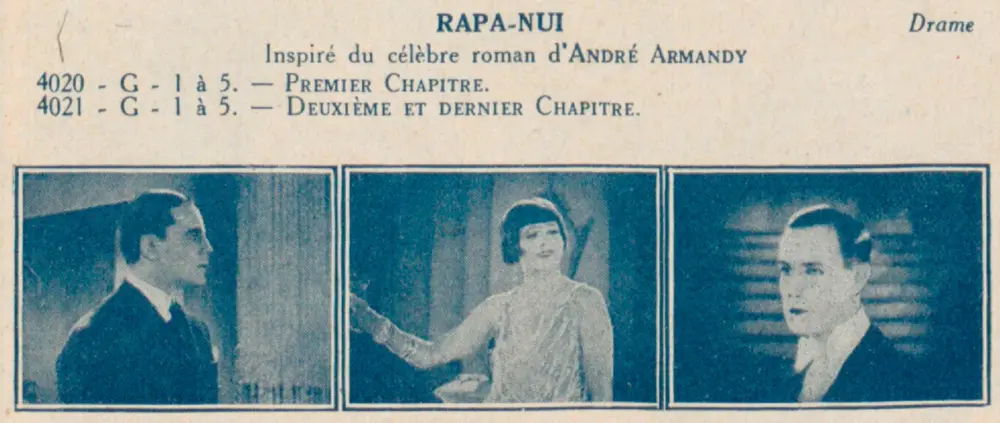
From the opening moments of a ship ablaze, the film immediately establishes its commitment to spectacle. This isn't a story whispered in hushed tones; it's a tale shouted from the rooftops, demanding attention. The immediate separation of sisters Jola and Claire sets up a classic duality: innocence versus experience, nature versus civilization, purity versus corruption. This thematic backbone, while not revolutionary, provides a sturdy framework for the ensuing chaos and romantic entanglement.
The visual contrast between Jola's stark, volcanic island upbringing and Claire's descent into Parisian decadence is one of the film's most compelling (and perhaps underutilized) elements. One can almost feel the grit of the volcanic ash against Jola’s skin and smell the heady perfume of Claire’s opulent salons. These environments are not mere backdrops; they are character-shaping forces, influencing the very essence of the sisters.
The introduction of the ruined lover, rescued from suicide by an eccentric doctor, feels like a direct inheritance from the pulp adventure novels of the time. It’s a narrative contrivance, yes, but one that effectively propels the plot into its second act: the treasure-hunt expedition. This shift injects a much-needed jolt of forward momentum, transforming the melodramatic into an epic quest for untold riches and, perhaps, redemption.
The cast of Der goldene Abgrund, led by Liane Haid, Hans Albers, and Claude Mérelle, delivers performances that are unmistakably products of their time – theatrical, expressive, and often grand in their emotional articulation. This is not to say they lack nuance, but rather that their nuances are conveyed through gesture, gaze, and posture, rather than the internalized realism favored by modern cinema.
Liane Haid, as Jola, embodies an almost ethereal innocence. Her portrayal relies heavily on her striking beauty and a palpable sense of vulnerability. In scenes set against the harsh volcanic landscape, her presence often feels like a delicate flower amidst craggy rock, a visual metaphor for her character's purity. Her wide-eyed wonder upon encountering the expedition, and particularly the forlorn lover, is genuinely affecting, creating a strong emotional anchor for the audience.
Conversely, Claude Mérelle's Claire is a captivating study in femme fatale allure. Her Parisian scenes, even without dialogue, convey a predatory elegance, a woman who understands and wields her power with deadly precision. Imagine her entrance into a smoky, opulent salon, her eyes scanning the room for her next conquest – Mérelle undoubtedly communicates this through subtle shifts in expression and commanding physicality. She is the dark mirror to Jola’s light, and the film benefits immensely from this stark contrast.
Hans Albers, as the tormented lover, carries the weight of the film's romantic angst. His despair on the bridge, before the doctor's intervention, is a classic tableau of silent film tragedy. Albers manages to convey profound heartbreak without uttering a single word, relying on his posture, his slumped shoulders, and the intensity of his gaze. His subsequent transformation into a determined adventurer, driven by a thirst for treasure and a yearning for a lost love, is convincing within the film's melodramatic confines. It’s a performance that grounds the more fantastical elements with a human core of suffering and hope.
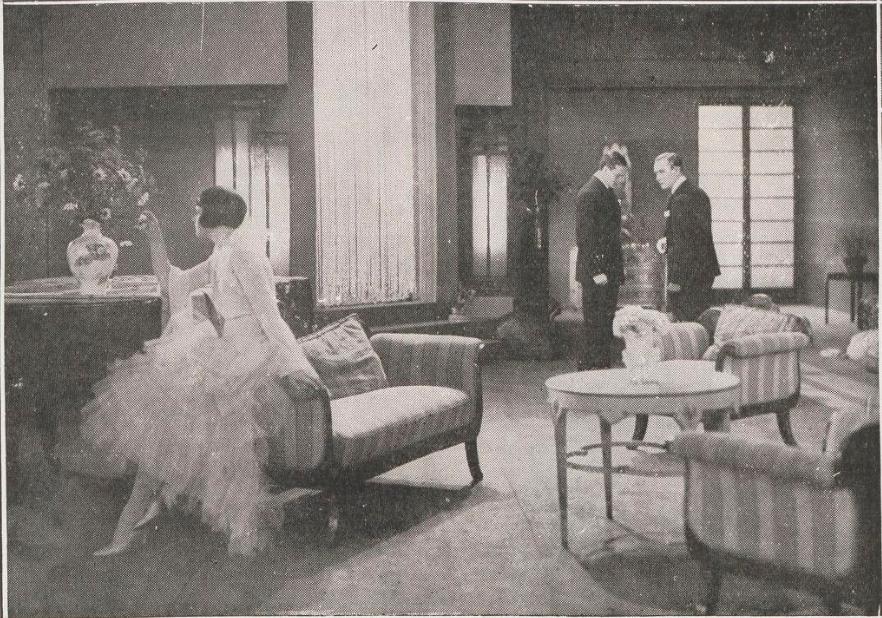
The directorial vision for Der goldene Abgrund, while not explicitly attributed in the provided context, clearly prioritizes spectacle and emotional impact. The film’s visual language is bold, often utilizing dramatic compositions and stark contrasts to convey its themes. The opening sequence of the burning ship, for instance, must have been a truly impressive feat of practical effects for its time, setting a high bar for the visual ambition that follows.
Cinematography plays a crucial role in establishing the divergent worlds of the sisters. The volcanic island scenes likely employ a stark, almost expressionistic lighting, emphasizing the raw, untamed nature of Jola’s upbringing. Imagine wide shots of Jola silhouetted against a steaming vent or the dramatic, shadow-laden interiors of the priest’s humble abode. This contrasts sharply with the likely brighter, perhaps more artificial, glamour of Paris, where artificial light sources would highlight the city’s superficial allure and Claire’s calculated charm.
The expedition to the island, and the eventual discovery of the 'last remnant of submerged Atlantis,' provides ample opportunity for breathtaking set pieces. One can envision carefully constructed miniatures for the ancient ruins, perhaps bathed in an otherworldly glow, creating a sense of genuine wonder. The camera work, while perhaps static by modern standards, would have been employed to frame these grand vistas and dramatic confrontations with convicts and the erupting volcano, maximizing their impact.
The climax, with the volcano’s eruption, is undoubtedly the film's crowning visual achievement. It’s a sequence designed to be overwhelming, a force of nature mirroring the dramatic upheaval in the characters' lives. The use of practical effects, likely including miniatures, forced perspective, and clever editing, would have created a visceral sense of danger and destruction. It is a testament to the filmmakers' technical prowess and their understanding of cinematic grandiosity.
The pacing of Der goldene Abgrund is a fascinating element, reflecting the narrative styles prevalent in early cinema. It often feels like a series of distinct movements, each building upon the last, rather than a seamless, ever-accelerating flow. The initial melodrama of the shipwreck and the sisters' separation might feel deliberate, allowing the emotional weight of their plight to sink in.
The Parisian segment, focusing on Claire's machinations and the lover's despair, would likely employ a more languid pace, savoring the dramatic tension of societal corruption and personal ruin. This deliberate build-up then gives way to the more propulsive rhythm of the treasure hunt. Once the expedition is underway, the pacing would naturally quicken, driven by the urgency of the quest and the escalating dangers.
The tone is consistently melodramatic, but it’s a melodrama tempered by genuine adventure and a surprising undercurrent of morality. The film never shies away from big emotions – heartbreak, greed, despair, and ultimately, triumphant love. It’s a film that believes in clear heroes and villains, and its narrative provides a satisfying, if predictable, resolution where the 'wicked perish' and the virtuous are rewarded.

What truly sets the tone apart is the blend of the fantastic with the dramatic. The idea of a lost Atlantis remnant, while a classic trope, is handled with an earnestness that invites the audience to suspend disbelief. This isn't a cynical adventure; it's a heartfelt one, even when the stakes are as high as a volcanic eruption. This commitment to its own premise, no matter how fantastical, is one of the film's most endearing qualities.
Why should modern audiences, accustomed to a very different cinematic grammar, engage with a film like Der goldene Abgrund? The answer lies in its historical significance and its enduring, if sometimes quaint, charm. It works. But it’s flawed. This film is a testament to the boundless imagination of early filmmakers who, despite technical limitations, strived to create vast, immersive worlds.
It's a valuable artifact for understanding the evolution of genre, particularly the adventure film and romantic melodrama. You can see the nascent forms of tropes that would become staples of Hollywood and European cinema for decades to come. The grand scale, the exotic locations, the clear-cut morality – these are foundational elements that Der goldene Abgrund handles with a distinctive flair.
One unconventional observation is how effectively the film uses its 'lost Atlantis' premise not just as an adventure hook, but as a symbolic backdrop for primal human desires. The island becomes a crucible where greed (for treasure), purity (Jola), and destructive forces (the volcano, the convicts) clash. It's a surprisingly potent visual metaphor for the human condition, even if the execution is more theatrical than philosophical.
Furthermore, seeing films like this reminds us of the power of non-verbal storytelling. In an age dominated by dialogue, the ability of actors like Liane Haid and Hans Albers to convey complex emotions through pure physicality and facial expression is a masterclass. It forces the viewer to engage differently, to read the unspoken, to interpret the subtext in a way that modern cinema often renders unnecessary.
Der goldene Abgrund is not a hidden masterpiece that will redefine your understanding of cinema, but it is far from a mere historical curiosity. It stands as a vibrant, ambitious piece of early German filmmaking that, despite its evident flaws, continues to entertain and fascinate. Its blend of high melodrama, exotic adventure, and mythological fantasy, all presented with a theatrical flourish, offers a unique viewing experience. It’s a film that asks you to meet it on its own terms, to appreciate the grand gestures and sweeping emotions over subtle realism.
If you are willing to immerse yourself in a cinematic world where volcanoes erupt on cue, lost loves are found through miraculous coincidence, and evil is purged by natural forces, then Der goldene Abgrund is absolutely worth seeking out. It’s a compelling journey back to a time when cinema was still discovering the full extent of its power to transport and mesmerize, a golden abyss of ambition and earnest storytelling that, even today, retains a considerable sparkle. It's a film that reminds us that sometimes, the greatest treasures are found not in the depths of Atlantis, but in the archives of cinematic history itself.
IMDb —
1924
Community
Log in to comment.