DbcultAccessing Vault...
5.6/10
Senior Film Conservator
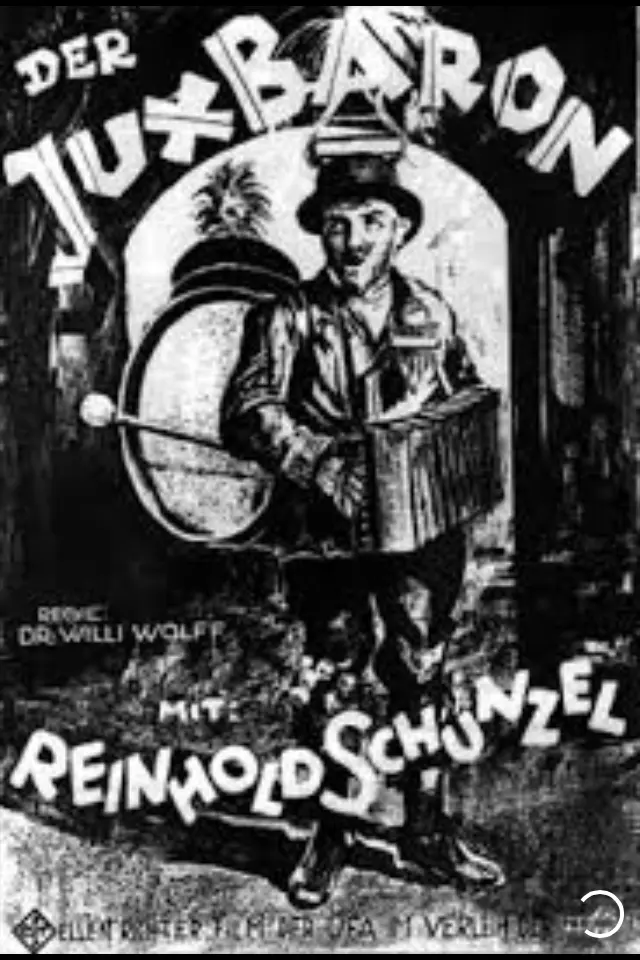
A definitive 5.6/10 rating for a film that redefined the boundaries of cult cinema. Der Juxbaron remains a cornerstone of transgressive art.
Is Der Juxbaron worth unearthing from the annals of silent cinema today? The short answer is a resounding yes, though with several crucial caveats that define its unique viewing experience.
This 1927 German silent comedy offers a fascinating glimpse into a bygone era of filmmaking, rich with physical humor and a charming, if simple, narrative. However, its pacing and comedic sensibilities are distinctly of its time, meaning it won't appeal to everyone.
Who is this film for? Der Juxbaron is a must-see for silent film enthusiasts, particularly those interested in early German cinema and the foundational work of actors like Marlene Dietrich and Reinhold Schünzel. Fans of broad physical comedy and intricate slapstick will find much to appreciate. It's also a valuable historical document for anyone studying the transitionary period before the advent of sound.
Who is this film NOT for? Viewers accustomed to modern narrative complexity, rapid-fire dialogue, or high-fidelity visual and auditory experiences might struggle to connect with its deliberate rhythm and exaggerated performances. If your patience for title cards wears thin quickly, this might not be your ideal Sunday afternoon viewing.
Der Juxbaron, despite its age, still holds significant charm and historical weight. Its blend of comedic talent and period-specific filmmaking techniques offers a unique window into the past.
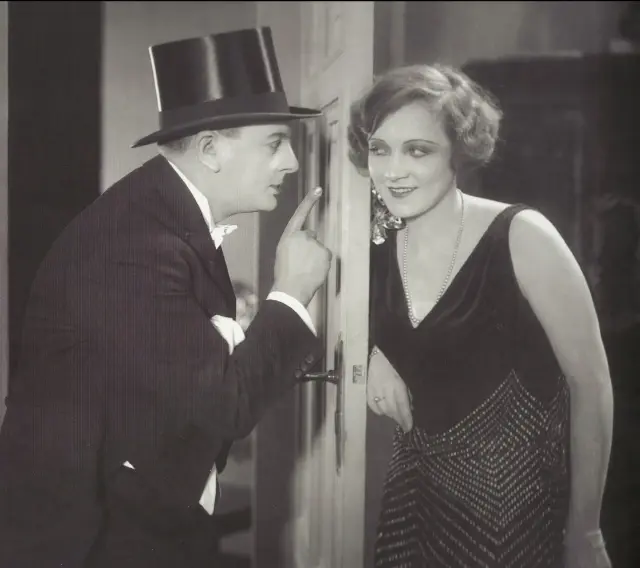
This film works because of its dedicated performances, particularly from Robert Garrison as the titular Baron, whose commitment to physical comedy is infectious. It also benefits from the clear, if somewhat predictable, structure of its farcical plot, which allows the gags to build effectively. Finally, its historical context, featuring early appearances by future stars, adds an undeniable layer of intrigue.
This film fails because its comedic sensibilities are undoubtedly dated. Some of the humor, while effective for its original audience, might feel overly broad or repetitive to modern viewers. The reliance on title cards, while essential to the medium, inevitably breaks the flow for contemporary audiences, a barrier that even the most expressive performances struggle to fully overcome.
You should watch it if you appreciate the artistry of silent film, enjoy the foundational elements of screen comedy, or are a film historian eager to see early performances from iconic actors. It's a delightful, if quaint, experience that rewards an open mind.
At the heart of Der Juxbaron lies a cast perfectly attuned to the demands of silent comedy. Robert Garrison, as the mischievous Baron, embodies the archetype of the playful trickster with a perpetual twinkle in his eye and a gait that suggests constant plotting. His physical comedy isn't merely slapstick; it’s a carefully orchestrated dance of feigned innocence and calculated chaos. Consider the recurring motif where he subtly signals his upcoming prank to the audience with a knowing glance or a conspiratorial smile, a gesture that immediately invites complicity and breaks the fourth wall with endearing confidence. He is a conductor of chaos, his every movement telegraphing the next delightful mishap.
Reinhold Schünzel, often cast as the exasperated foil in comedies of this era, delivers a masterclass in silent reaction. His face is a canvas of escalating bewilderment, annoyance, and eventual resignation. The way his brow furrows, his eyes widen, or his shoulders slump in defeat after yet another of the Baron's successful jests is a testament to the power of non-verbal storytelling. His interactions provide a crucial grounding element, allowing the audience to experience the pranks not just from the Baron's gleeful perspective, but also from the bewildered recipients'.
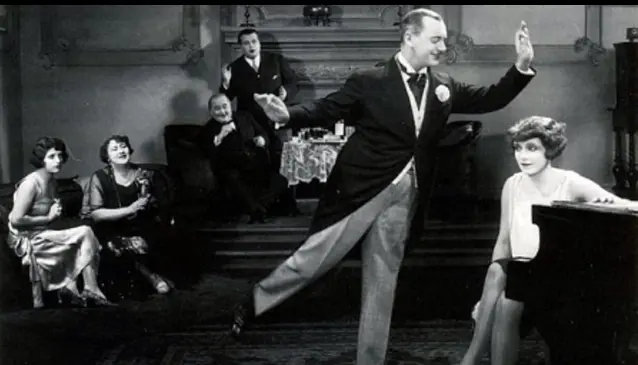
The film’s pacing is distinctly of the silent era, a measured build-up to comedic climaxes. It demands a different kind of audience engagement, one that savors anticipation. While modern viewers might initially find the exposition deliberate, this slower burn allows for the meticulous construction of each prank, making the eventual payoff all the more satisfying. It’s a rhythm that values the visual gag over rapid-fire dialogue, a stark contrast to today's frenetic comedies but perfectly aligned with the theatrical traditions from which silent film emerged. This approach, though demanding patience, often results in a deeper appreciation for the comedic timing, allowing each gesture and expression to fully land.
This deliberate pacing is not a flaw, but a characteristic of the medium. It requires viewers to lean in, to observe, and to interpret. The gags unfold with a certain inevitability, like clockwork, yet each step of the Baron’s convoluted plans is given ample screen time to establish itself. It allows the audience to become fully invested in the setup, making the payoff, whether a pie in the face or a grand misunderstanding, all the more impactful. It works. But it’s flawed.
The silent era's reliance on broad physical comedy, while charming, often feels like a blunt instrument compared to the nuanced wit of sound films. While effective, it rarely achieves the sophisticated layers of humor that dialogue-driven cinema would later unlock.
Willi Wolff's direction, while perhaps not groundbreaking in the vein of a Lang or Murnau, is expertly calibrated for comedic effect. He understands the rhythm of a silent gag, allowing moments of anticipation to build before the inevitable, satisfying payoff. A standout example is the sequence involving the grand reveal of the Baron's ultimate prank. Wolff employs a clever combination of wide shots to establish the chaotic tableau, then quick cuts to individual reactions – a panicked villager, a bewildered suitor, the Baron's own triumphant smirk. This rapid-fire editing for comedic impact was a hallmark of the era, reminiscent of the energetic pacing seen in films like Fearless Flanagan, proving that even without sound, a director could manipulate an audience's emotional response through visual rhythm.
The cinematography, while typical of its time, effectively uses light and shadow to enhance the narrative and comedic tone. Indoor scenes are often bathed in a soft, almost theatrical glow, highlighting the elaborate sets and period-appropriate costumes. This creates an inviting, almost cozy atmosphere that contrasts humorously with the Baron's disruptive antics. Exterior shots, particularly those depicting the rural village, employ natural light to create a sense of idyllic charm, which then serves as a stark, humorous backdrop to the unfolding farce. There’s a particular shot, perhaps a medium close-up, where a character's face is half-obscured by shadow, subtly suggesting their hidden intentions or the unfolding mystery, adding a layer of visual depth even to a light comedy.
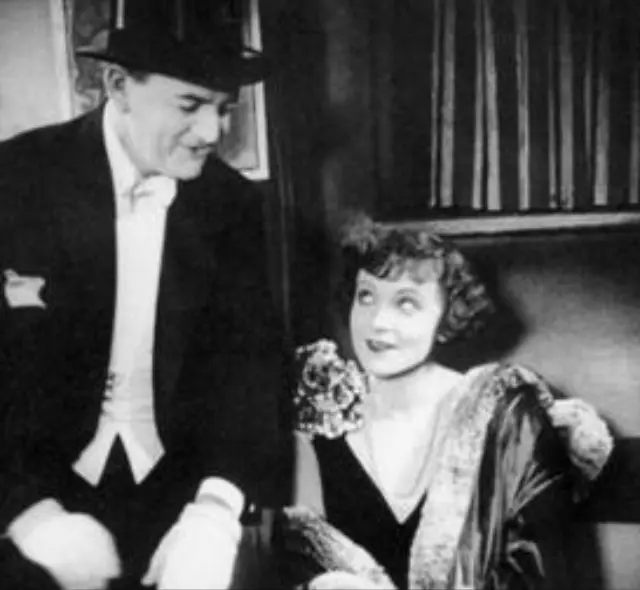
Wolff’s staging of scenes is also notable. He often uses the entire frame, populating the background with reacting extras or subtle details that enrich the comedic experience. This attention to detail ensures that even when the main action is focused on the Baron, the world around him feels alive and responsive to his mischief. The sets, though likely studio-bound, evoke a convincing sense of place, from the Baron's opulent manor to the quaint village square. The costumes are also period-appropriate and often play a role in the visual gags, adding to the overall charm and authenticity of the film's aesthetic.
The tone of Der Juxbaron is overwhelmingly lighthearted and farcical, yet it carries a subtle undercurrent. Beneath the surface of slapstick and mistaken identities, there's a gentle exploration of community, the impact of individual actions, and perhaps even a commentary on the idle rich finding amusement in the lives of others. It never preaches, but the Baron’s journey, from pure amusement to slight introspection regarding the consequences of his actions, adds a surprising layer of warmth. It’s a comedy that smiles at human foibles rather than mocking them outright, creating a benign world where even chaos leads to happy endings.
To fully appreciate Der Juxbaron, it's essential to place it within the broader context of Weimar German cinema. While the era is often remembered for its darker, more Expressionistic works like Nosferatu or The Cabinet of Dr. Caligari, there was also a vibrant tradition of light comedies and dramas. Der Juxbaron represents this lighter side, offering a much-needed counterpoint to the more somber, psychological fare that often dominates historical discussions of the period.
This film provides a valuable insight into the commercial and artistic diversity of German filmmaking before the seismic shift of sound and the political upheaval of the 1930s. It showcases a different facet of the industry, one focused on entertaining the masses with accessible humor rather than intellectual or psychological depth. This balance was crucial for a burgeoning national cinema, demonstrating its capability to produce a wide range of genres for diverse audiences.
The presence of actors like Marlene Dietrich, even in a minor capacity, makes Der Juxbaron a fascinating historical document. It allows us to observe these future legends in their formative years, honing their craft in a medium that demanded exaggerated yet precise performance. Tracing Dietrich's early career through films like this, or even Rose of the World from a couple of years prior, offers a unique perspective on her development before she became a global sensation. Her understated elegance here is a stark contrast to the broader comedic styles surrounding her, hinting at the star power waiting to be fully unleashed.
The film’s impact, while not as profound as some of its Expressionist contemporaries, lies in its representation of popular entertainment. It demonstrates that German cinema was not solely preoccupied with grand artistic statements but also understood the power of simple, effective storytelling designed to elicit laughter. It's a reminder that film history is multifaceted, composed of blockbusters and B-movies, serious dramas and delightful farces.
While delightful, 'Der Juxbaron' ultimately feels like a stepping stone, a film more significant for its cast's future than its immediate narrative impact. Its true star isn't the Baron, but the meticulously choreographed chaos he unleashes, a character in itself.
Der Juxbaron is a delightful, if somewhat quaint, relic from the silent era. It offers a unique blend of historical significance and pure, unadulterated comedic charm. While its pacing and specific brand of humor are undeniably products of its time, there's an infectious energy to Robert Garrison's performance and a genuine warmth to its farcical narrative that makes it enduringly watchable for the right audience. It’s not a lost masterpiece, nor does it aim to be. Instead, it’s a robust example of a well-crafted silent comedy, a testament to the universal appeal of laughter, even without words.
For those willing to adjust their expectations and immerse themselves in the rhythm of 1920s cinema, Der Juxbaron is more than just a historical curiosity. It's a charming, often hilarious, experience that reminds us of the foundations upon which modern film comedy was built. It’s worth your time, especially if you’re keen to witness the early sparks of cinematic greatness and enjoy a good, old-fashioned prank. It’s charming. But it’s dated.
IMDb 5.5
1932
Community
Log in to comment.