DbcultAccessing Vault...
5.9/10
Senior Film Conservator
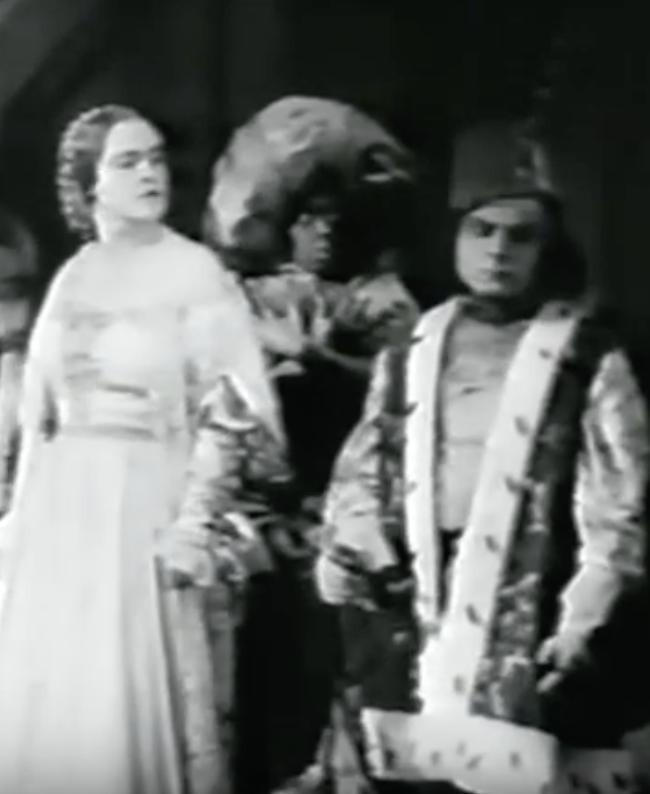
A definitive 5.9/10 rating for a film that redefined the boundaries of cult cinema. Der Kaufmann von Venedig remains a cornerstone of transgressive art.
When the black‑and‑white frames of Der Kaufmann von Venedig flicker to life, the viewer is thrust into a Venice that feels both mythic and palpably real, a city of canals and contracts where love and law intersect in a precarious dance.
The film opens with Bassanio (Harry Liedtke), a dashing yet financially strained aristocrat, whose longing for Portia (Henny Porten) is rendered with a tenderness that transcends the silent medium. Portia, portrayed with a luminous poise, is not merely a prize to be won; she is a woman of intellect, her wit hinted at through expressive close‑ups and the subtle interplay of light and shadow that the cinematographer employs.
Antonio (Albert Steinrück), the eponymous merchant, is introduced amidst bustling market scenes, his stoic demeanor a foil to Bassanio's impetuous romance. The narrative swiftly pivots when Antonio, in a moment of self‑sacrificial bravado, approaches Shylock (Max Schreck), the film's most compelling antagonist. Schreck's performance is a masterclass in restrained menace; his eyes, dark as the lagoon at night, convey a lifetime of marginalisation and simmering resentment.
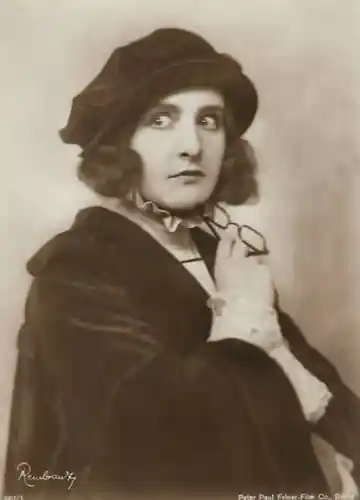
The contract—an agreement that permits Shylock to extract a pound of Antonio's flesh should the debt remain unpaid—becomes the story's fulcrum. The scene where the bond is sealed is shot with a chiaroscuro intensity: the parchment glows against a backdrop of looming shadows, each line of ink a promise of impending tragedy.
Beyond the surface drama, the film interrogates the corrosive power of prejudice. Shylock's Jewish identity is never reduced to caricature; instead, the director employs visual motifs—such as the recurring motif of a solitary candle in a dimly lit room—to underscore his isolation. This nuanced portrayal invites comparison to the way Julius Caesar handles political otherness, though here the focus is religious rather than civic.
Portia's famous courtroom monologue, rendered without spoken word, relies on intertitles that echo the original Shakespearean verse while the actress's gestures convey the moral weight of mercy. The courtroom set, awash in sea‑blue tones (#0E7490) and accented with dark orange drapery, creates a visual metaphor for the clash between cold law and warm compassion.
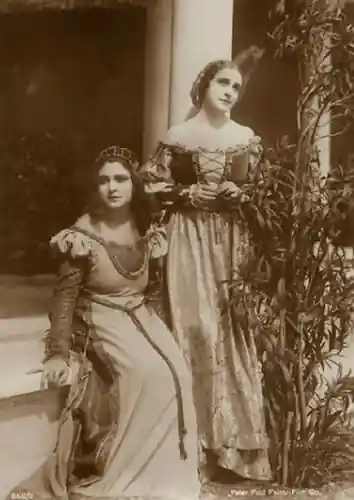
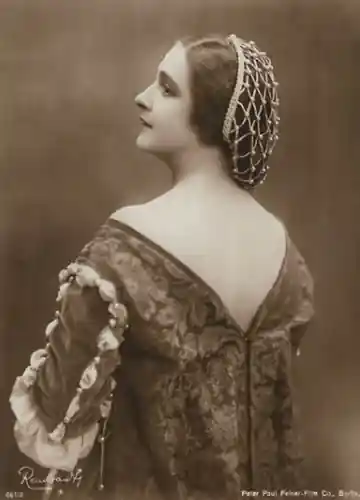
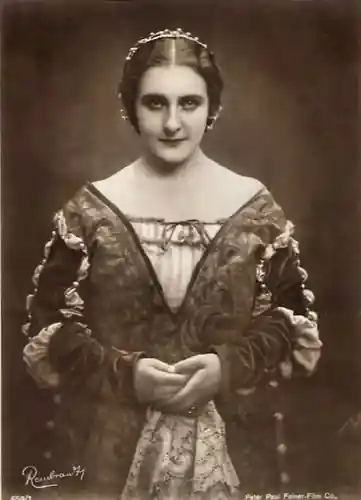
Henny Porten's Portia is a study in controlled elegance. Her eyes, often framed by a delicate veil, flicker with a mixture of resolve and vulnerability, embodying the duality of a woman bound by societal expectations yet yearning for agency. Albert Steinrück's Antonio exudes a stoic melancholy; his silent sighs and lingering glances at the horizon speak volumes about a man whose fortunes are as fickle as the tides.
Max Schreck, later immortalised as Nosferatu, brings a chilling gravitas to Shylock. His measured movements and the subtle twitch of his moustache create an aura of calculated threat, making the audience oscillate between sympathy and dread. The supporting cast—Frida Richard as Portia's confidante, Werner Krauss in a brief but potent cameo—adds layers of texture, each character a brushstroke in the film's rich tableau.
The director's use of expressionist lighting is evident throughout. In the scene where Shylock counts his coins, the camera pans across a table illuminated by a single, harsh lamp, casting elongated shadows that mirror the moral darkness of his intentions. Conversely, the scenes set in Portia's garden are bathed in soft, golden light (#EAB308), suggesting a sanctuary of hope amidst the surrounding gloom.
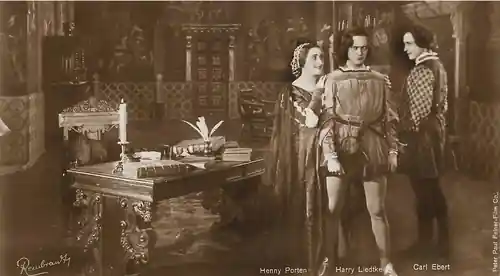
Editing is deliberate, with long takes that allow the audience to linger on the actors' nuanced expressions. The pacing, while measured, never feels sluggish; each intertitle is timed to enhance emotional beats rather than merely convey dialogue.
When juxtaposed with other period adaptations such as The Fuel of Life or the gothic tones of Vampyrdanserinden, Der Kaufmann von Venedig distinguishes itself through its fidelity to Shakespeare's moral quandaries while embracing the visual language of German silent cinema. Its exploration of justice aligns with the thematic concerns of The Man Who Stole the Moon, yet its execution feels uniquely rooted in the cultural tensions of early 20th‑century Europe.
The film's three‑act structure adheres closely to the source material, yet the director introduces subtle deviations that enrich the emotional resonance. For instance, the brief flashback to Antonio's earlier voyages—rendered in sepia tones—provides context for his willingness to risk everything for a friend, deepening the audience's empathy.
The climax, wherein Portia, disguised as a male lawyer, dissects the contract's language, is a masterstroke of visual storytelling. The camera focuses on the parchment's fine print, the ink glistening like fresh blood, while Portia's hand—steady and confident—points to the loophole that saves Antonio's life. This moment, underscored by a swelling orchestral score (though silent, the musical cues are implied through rhythmic editing), epitomises the triumph of intellect over brute force.
Although a silent film, the accompanying score—recreated for modern screenings—employs a blend of mournful strings and bright woodwinds, mirroring the film's tonal shifts. The music swells during the courtroom showdown, then recedes into a gentle lullaby as Bassanio and Portia reunite, reinforcing the narrative's emotional cadence.
The film occupies a pivotal place in the canon of Shakespearean adaptations, bridging the gap between theatrical tradition and early cinematic experimentation. Its treatment of anti‑Semitic themes, while reflective of its era, invites contemporary discourse on representation, much like the ongoing conversations surrounding The Destroyers and its portrayal of wartime prejudice.
In the broader spectrum of German cinema, the work stands alongside masterpieces such as The Devil's Wheel and The Heart of a Lion, sharing a commitment to visual symbolism and moral complexity.
Der Kaufmann von Venedig is a richly textured adaptation that honors Shakespeare's original while exploiting the silent medium's capacity for visual poetry. Its performances are arresting, its cinematography evocative, and its thematic depth resonant. For scholars of adaptation theory, enthusiasts of early German film, or anyone drawn to stories where love contends with law, this film offers a rewarding, immersive experience.
Explore the film further at Der Kaufmann von Venedig and discover how its legacy continues to inform modern reinterpretations of classic literature.
IMDb 7
1930
Community
Log in to comment.