DbcultAccessing Vault...
8.2/10
Senior Film Conservator
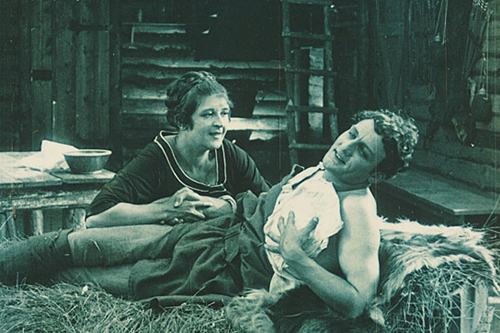
A definitive 8.2/10 rating for a film that redefined the boundaries of cult cinema. Der Klosterjäger remains a cornerstone of transgressive art.
Stepping back into the annals of early German cinema, one encounters Der Klosterjäger, a cinematic endeavor that, even a century after its inception, continues to captivate with its stark beauty and profound emotional resonance. Based on Ludwig Ganghofer's beloved novel, this film transcends its silent origins to deliver a powerful narrative steeped in the rugged majesty of the Bavarian Alps. It’s a compelling exploration of duty, faith, and the unexpected blossoming of human connection amidst the most austere of landscapes. Far from a mere historical curiosity, Der Klosterjäger stands as a testament to the enduring power of storytelling, presenting a meticulously crafted world where the primal instincts of survival meet the spiritual demands of monastic life and the tender stirrings of the heart.
At its core, Der Klosterjäger introduces us to a protagonist whose existence is inextricably linked to the formidable mountain wilderness. This hunter, a figure of quiet strength and unwavering resolve, is not simply a man who tracks game; he is the designated provider for a secluded monastery, a vital lifeline in an unforgiving environment. His daily treks through snow-laden passes and treacherous ravines are more than just a means to an end; they are a ritual, a silent vow of service to a community dedicated to a higher spiritual purpose. The film masterfully portrays this symbiotic relationship, highlighting how the hunter’s intimate knowledge of the wild, his patience, and his formidable skill are all essential components of the monastery’s very survival. There’s a beautiful, almost spiritual, dignity in his labor, a connection to the land that feels deeply authentic. In a way, his solitary journeys echo the introspection often found in characters grappling with their environment, much like the isolated figures in films such as South, where human resilience is tested against nature's raw power.
The Bavarian Alps are not merely a backdrop in Der Klosterjäger; they are a character in themselves, a silent, imposing force that shapes destinies and tests wills. The cinematography, though a product of the silent era, manages to convey the sheer scale and breathtaking beauty of these peaks, juxtaposing their serene grandeur with their inherent dangers. We see avalanches, blizzards, and precipitous cliffs, all conspiring to make the hunter's task a constant struggle against the elements. This visual poetry elevates the narrative, lending it an epic scope that resonates long after the final frame. The way the light catches the snow, the ominous shadows cast by the crags – it all contributes to an atmosphere of solemn reverence and palpable tension. This immersive sense of place is crucial, setting the stage for the human drama to unfold with heightened stakes. One might draw a parallel to how the setting informs the very soul of the narrative in a film like The Cruise of the Make-Believes, where the environment becomes an active participant in the characters' journeys.
But the hunter’s life, dedicated to the stark realities of survival and service, is destined for a profound shift. The film introduces an element of tender romance, a delicate flower blossoming in the harsh alpine environment. This isn't a frivolous diversion; rather, it’s an organic development that adds a layer of human complexity to the hunter's stoic existence. The burgeoning affection he discovers serves as a powerful counterpoint to his solitary, duty-bound life, raising questions about commitment, personal happiness, and the delicate balance between the sacred and the secular. The silent film medium excels here, relying on subtle glances, gestures, and the expressive power of the actors to convey the nascent emotions. The romance feels earned, a natural consequence of shared humanity amidst isolated circumstances, reminiscent of the genuine, unforced connections explored in films like Paz e Amor (Peace and Love), where simple human bonds are celebrated.
The strength of Der Klosterjäger is significantly amplified by its ensemble cast, who navigate the nuances of silent acting with remarkable skill. Thea Steinbrecher, whose presence radiates both vulnerability and strength, delivers a performance that is both captivating and deeply empathetic. Her character's journey, from initial encounters to the deepening of affection, is conveyed through a rich tapestry of non-verbal cues. Stuart Josef Lutz, as the titular hunter, embodies the rugged dignity and internal conflict of his role with a stoicism that speaks volumes. His eyes, in particular, become windows to a soul grappling with duty and desire. Supporting players like Hans Außfelder, Molly Albrecht, and Toni Wittels contribute to the film's rich texture, each bringing distinct personalities to life. The expressive faces of Fritz Greiner, Hildegard Wall, Curt Gerdes, Ferdinand Martini, Carl Dalmonico, F.W. Schröder-Schrom, and Viktor Gehring collectively paint a vivid picture of a mountain community, their struggles, joys, and interconnected lives. Their ability to communicate complex emotions without dialogue is a testament to the era's acting prowess, demanding a level of physical and facial expression that modern cinema often foregoes. This rich ensemble work is a hallmark of many classic dramas, much like the intricate character dynamics seen in Fedora.
The film's literary origins, stemming from Ludwig Ganghofer’s popular novel, provide a solid foundation for its narrative depth. Ganghofer, known for his romanticized portrayals of Bavarian life and nature, imbued his stories with a sense of adventure, moral fortitude, and a deep appreciation for the alpine environment. The adaptation, while inherently limited by the constraints of silent film, manages to capture the spirit and essence of his work. It translates his vivid descriptions of the mountains and his nuanced characterizations into a visual language that is both faithful and innovative. The themes of loyalty, tradition, and the inherent goodness of simple folk, central to Ganghofer's oeuvre, are beautifully preserved and articulated on screen. This commitment to source material, while adapting it for a new medium, is a delicate balance, one that Lena Rivers also navigated in its own cinematic translation of a beloved novel.
In an era before synchronized sound, filmmakers relied entirely on visual storytelling, intertitles, and musical accompaniment to convey their narratives. Der Klosterjäger is a masterclass in this art form. The pacing, the carefully composed shots, and the dramatic use of light and shadow all contribute to a compelling experience. The absence of spoken dialogue forces the viewer to engage more deeply with the visuals, to interpret expressions and actions, and to immerse themselves fully in the emotional landscape of the characters. This immersive quality is often lost in more verbose productions, highlighting the unique power of the silent medium. One can see parallels in the deliberate pacing and visual emphasis of films like Die Augen der Schwester, where every gesture and gaze carries significant weight. The film's ability to evoke suspense during a hunt or tenderness during a romantic interlude without a single spoken word is truly remarkable, showcasing the ingenuity of early cinematic techniques.
Beyond the surface narrative, Der Klosterjäger delves into profound philosophical questions. It explores the tension between individual freedom and communal responsibility, the demands of faith versus the call of the heart, and the inherent conflict between man's desire to tame nature and his inescapable connection to its wildness. The monastery itself serves as a symbol of spiritual refuge and organized duty, contrasting with the untamed wilderness that represents freedom and primal instinct. The hunter finds himself at the intersection of these forces, his personal journey becoming a microcosm of these larger societal and existential debates. His choices, therefore, carry significant weight, not just for his own happiness but for the delicate balance of the world he inhabits. This internal struggle for self-determination amidst external pressures resonates with the themes explored in A Doll's House, albeit in a vastly different setting and social context, where characters grapple with their roles and desires.
Der Klosterjäger stands as a significant artifact of early German cinema, showcasing the era's technical capabilities and its narrative sophistication. It's a film that, despite its age, feels remarkably fresh in its emotional honesty and its visual grandeur. Its portrayal of the human spirit grappling with the sublime forces of nature and the complexities of the heart remains as compelling today as it was a century ago. It reminds us that fundamental human experiences—love, duty, sacrifice, and the search for meaning—are timeless. For cinephiles and historians alike, it offers a fascinating glimpse into a period of cinematic evolution, demonstrating how compelling stories could be told with just images, music, and the raw talent of its performers. Much like other foundational works such as The Master Mind, it laid groundwork for narrative structures and character development that would influence generations of filmmakers. This is a film that deserves to be rediscovered, appreciated not just as a piece of history, but as a vibrant, moving work of art that continues to speak to the enduring spirit of humanity.
IMDb 5.3
1930
Community
Log in to comment.