DbcultAccessing Vault...
Cult Review
Senior Film Conservator
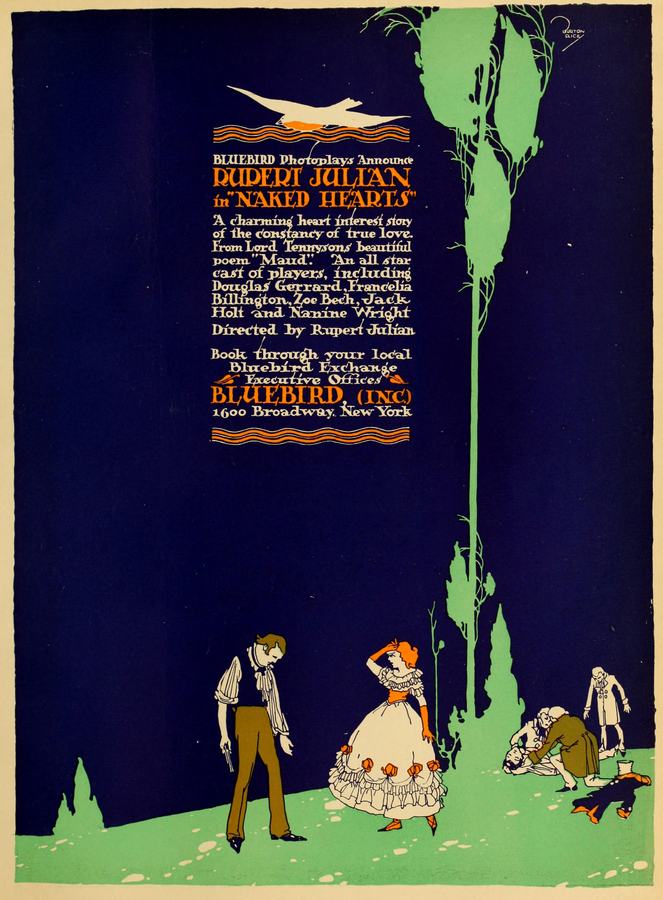
The annals of silent cinema are replete with grand melodramas, tales of love and loss writ large across the silver screen, designed to stir the deepest human emotions without the aid of spoken dialogue. Among these evocative cinematic artifacts, Naked Hearts emerges as a particularly poignant example, a sprawling narrative that traverses decades, social strata, and the ravages of war, all in service of an enduring, yet ultimately unfulfilled, romance. Directed by Rupert Julian, who also stars and co-wrote the screenplay, this film is a testament to the power of visual storytelling and the expressive capabilities of its cast, weaving a tapestry of longing, sacrifice, and the relentless march of fate.
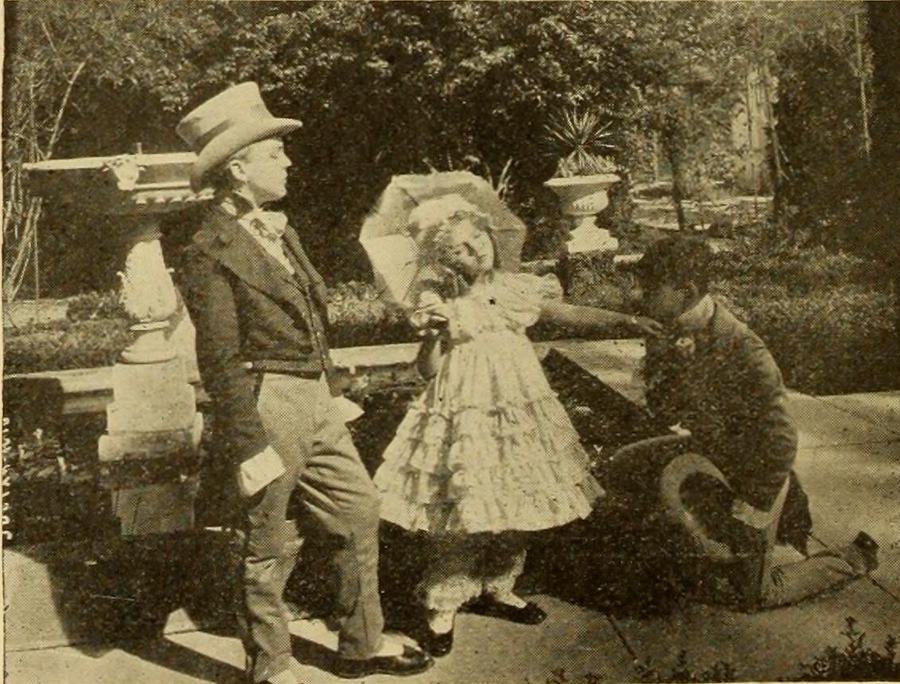
From its very inception, Naked Hearts establishes a world where the whims of circumstance can shatter the most idyllic of beginnings. We are introduced to the innocent childhood camaraderie of Maud, her brother Howard, and Cecil Lane, three souls bound by the shared sun-drenched lawns of their Southern homes. This pastoral prelude, however, is swiftly marred by an act of casual paternal hubris: a betrothal forged in the fleeting joy of a wine-fueled wager. This seemingly innocuous event, a mere flourish of parental authority, acts as the first, almost imperceptible crack in the foundation of what could have been a simple, happy life for Maud and Cecil. It’s a moment that, in retrospect, feels laden with tragic irony, a promise made in jest that becomes a lifelong burden.
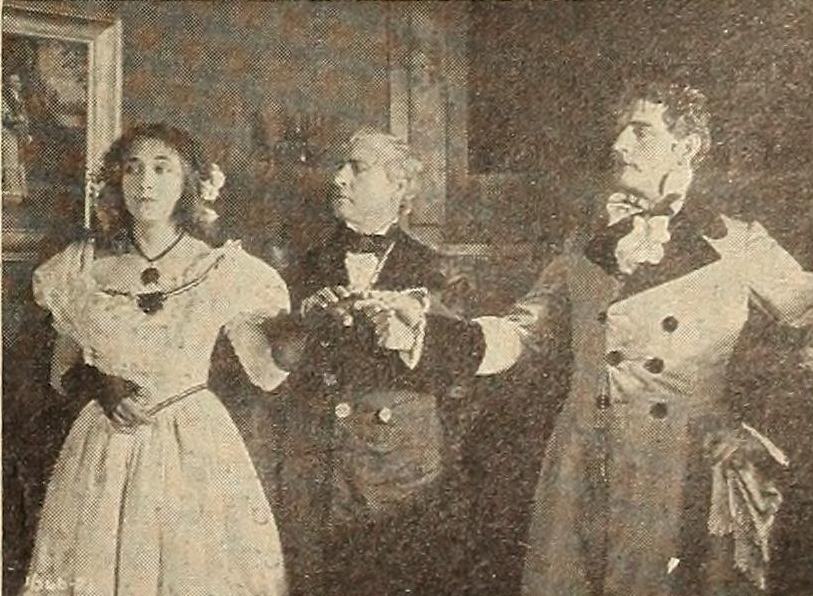
The film quickly plunges its characters into the crucible of misfortune. Cecil's father, through a series of ill-advised speculations, loses his entire fortune, a catastrophic reversal that culminates in his tragic suicide. This sudden descent into poverty and grief is the true catalyst for the lovers' initial separation. Maud is sent away, presumably to maintain her social standing and receive a proper education, while Cecil, now the impoverished son, remains tethered to his home, embracing a musical education that transforms him into the unassuming village music teacher. This divergence in paths is not merely geographical; it marks a profound class divide that will haunt their relationship for years. The film subtly critiques the rigid social structures of the era, where financial standing dictated not only one's present circumstances but also the very trajectory of one's romantic destiny. This theme, of love struggling against the constraints of class and societal expectation, resonates with other melodramas of the period, such as The Remittance Man, where economic disparity often forms the bedrock of dramatic conflict.
Years pass, and the film masterfully conveys the passage of time through character development and the accretion of life's experiences. Maud returns home, a woman of refined grace, but with the indelible imprint of her past. Her reunion with Cecil at the village shrine is depicted with a tender authenticity, a silent acknowledgment of a bond that time and distance could not entirely sever. Rupert Julian, as Cecil, imbues his character with a quiet dignity and a deep well of unspoken emotion. His gaze, his gestures, speak volumes about the years of longing and the rekindled hope. Nanine Wright, portraying Maud, reciprocates this emotional depth, her performance conveying both her cultivated poise and the underlying vulnerability of a heart that remembers its first love.
Just as their childhood love seems poised for a second blossoming, a new obstacle emerges in the form of Lord Lovelace, a foppish but persistent suitor who arrives with Howard. Douglas Gerrard, in the role of Lovelace, crafts a character who is not merely a villain but a formidable rival, embodying the societal pressures Maud faces. His aristocratic lineage and persistent charm represent the 'sensible' choice, the path of social security and acceptance. Maud, against her truest desires, finds herself consenting to a betrothal with Lovelace, a decision born of duty and circumstance rather than genuine affection. This forced engagement is a classic melodramatic trope, highlighting the internal conflict between personal happiness and societal obligation. The emotional stakes are palpable, forcing the audience to grapple with Maud's impossible choice.
The tension escalates dramatically on the night of Maud's betrothal party to Lovelace. In a desperate bid for happiness, Maud and Cecil conspire to elope. The scene is charged with a thrilling sense of urgency and danger, a silent ballet of clandestine movements and whispered hopes. However, their plans are discovered, leading to a confrontation that spirals into violence. The ensuing duel between Cecil and Howard, Maud's brother, is a stark reminder of the era's rigid codes of honor and the tragic consequences of thwarted love. The sound of gunshots, rendered through intertitles and dramatic acting, shatters the fragile peace, and Maud, witnessing her brother wounded, reacts with a visceral anger, sending Cecil away in a fit of rage and despair. This impulsive act, born of fear and misunderstanding, seals Cecil's fate, driving him into exile under the mistaken impression that he has killed Howard. It’s a moment of profound miscommunication, a recurring motif in tragic narratives, echoing the cruel ironies found in films like Sin, where a single misunderstanding can lead to a cascade of irreversible consequences.
Cecil's departure from the village marks a turning point, transforming him from a local music teacher into a man forged by sorrow and ambition. He travels to a great city, a common trope symbolizing opportunity and anonymity, where his exceptional musical talents are finally recognized. It is in this crucible of exile and artistic endeavor that he composes the song that will define his legacy: 'Come Into the Garden, Maud.' The film's use of Alfred Lord Tennyson's poem as a central plot device is ingenious, elevating Cecil's journey from mere personal tragedy to a universal exploration of love, loss, and the redemptive power of art. The song becomes more than just a composition; it is a yearning, a lament, a beacon of his undying devotion. His fame grows, but the success is bittersweet, shadowed by the lingering pain of his separation from Maud.
Meanwhile, Maud, consumed by contrition and regret, yearns for Cecil's return. The film poignantly depicts her struggle to reconnect, her efforts thwarted by Cecil's mother, who, out of misguided protection or perhaps a desire to spare her son further pain, keeps Maud poorly informed of his whereabouts. This deliberate obfuscation of information highlights the fragility of communication in an era before instant messaging, emphasizing how easily lives could diverge and remain separate due to simple human intervention. Maud's desperation is palpable, a silent agony conveyed through Nanine Wright's expressive face and body language. The audience is left to witness the cruel dance of fate and human error, keeping two souls apart who so clearly belong together.
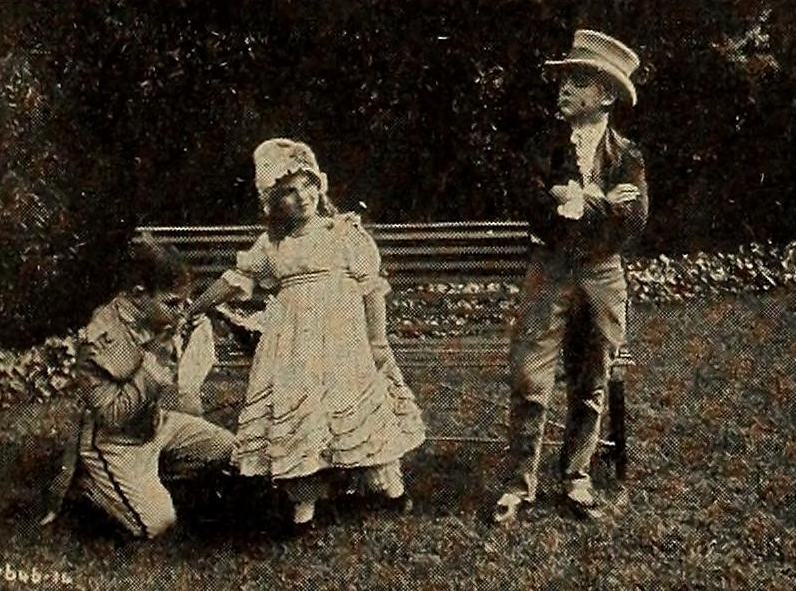
The narrative takes an epic turn with the outbreak of war, a global conflict that pulls all three men – Cecil, Lord Lovelace, and Howard – into its brutal embrace. The battlefield, a symbol of ultimate chaos and destruction, ironically brings these intertwined destinies back together. This convergence is a powerful narrative device, underscoring the arbitrary nature of fate and the pervasive reach of war. It’s a reminder that personal dramas, however intense, often play out against a backdrop of larger, more devastating events. The film, like others of its era such as Scotland Forever, uses the war as a crucible, testing the mettle of its characters and forcing moments of profound revelation.
In a moment of profound, almost redemptive grace, Lord Lovelace, mortally wounded on the battlefield, recognizes Cecil and his fame as the composer of 'Come Into the Garden, Maud.' With his dying breath, he sends a message to Cecil: Maud is waiting for him in the garden. This final act of selflessness from Lovelace transforms him from a mere rival into a tragic figure, a man who, in his last moments, seeks to right a past wrong and ensure the happiness of the woman he once loved. It's a powerful scene, demonstrating that even in the throes of war and personal rivalry, a glimmer of humanity and understanding can emerge.
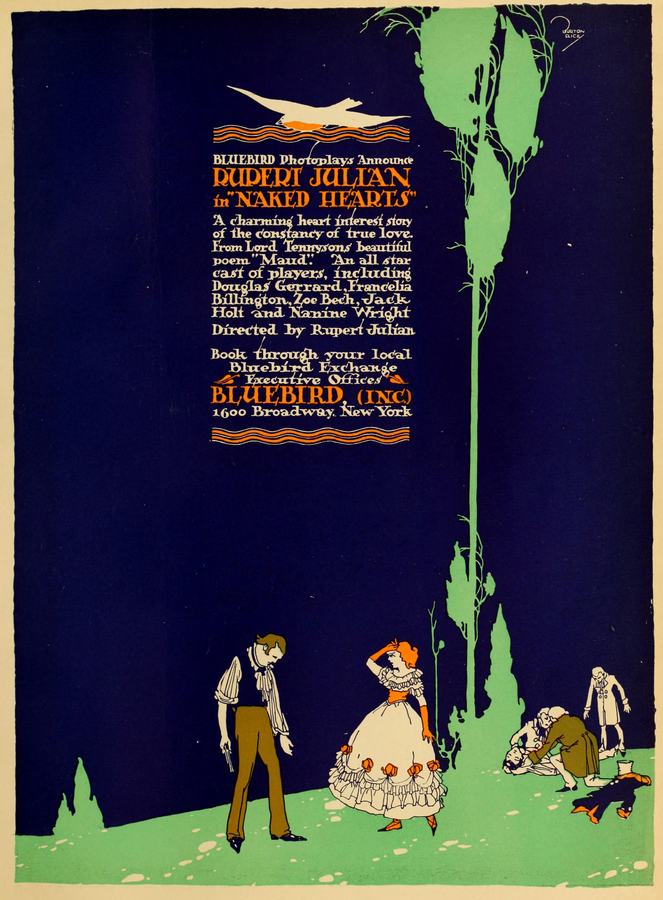
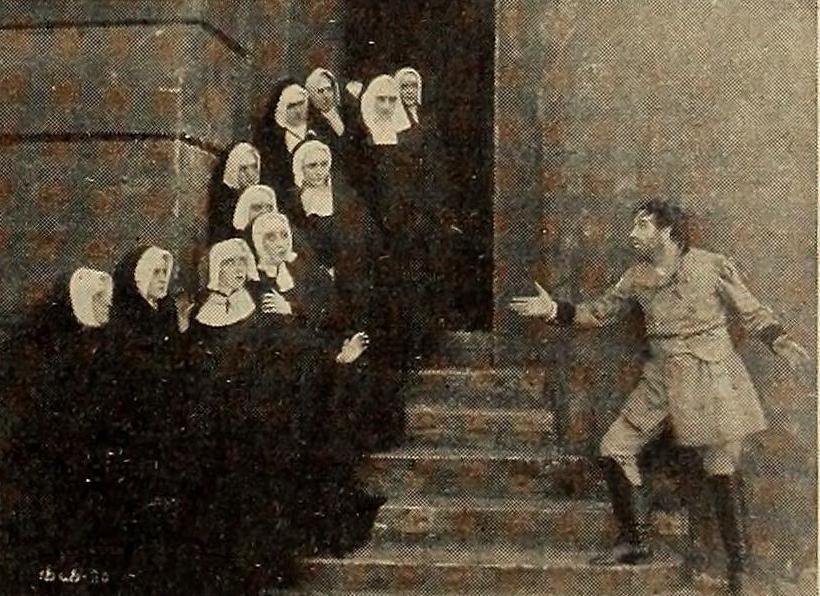
However, the cruel hand of fate intervenes one last time. The message arrives too late for Maud. Believing Cecil to have fallen in battle, and mourning the deaths of both her brother Howard and Lord Lovelace, she makes the ultimate sacrifice: dedicating her life to religion and entering a convent. This decision is portrayed not as a defeat, but as a profound act of devotion, a way to channel her immense grief and unfulfilled love into a spiritual purpose. The image of Maud, cloistered and serene, yet burdened by an invisible sorrow, is one of the film's most enduring and heartbreaking. It resonates with the themes of sacrifice and spiritual devotion seen in other silent era films that explored the human condition under duress, though perhaps less directly than a film like Sapho might explore forbidden love and its societal repercussions.
When Cecil finally returns home, a celebrated composer, he is met with the crushing reality that Maud is forever beyond his reach. His attempts to communicate are futile, the convent walls serving as an insurmountable barrier. The film's conclusion is a masterclass in tragic pathos. Cecil spends the remainder of his life in sorrow, his days marked by a poignant ritual: a daily pilgrimage to the convent walls, where he plays his famous song, 'Come Into the Garden, Maud.' This daily serenade is his only means of communication, a testament to his unwavering love, a hope that Maud might hear and understand his enduring faithfulness. It is a powerful, almost agonizing image of unrequited love, transformed into a lifelong vigil. The music, once a symbol of his triumph, becomes a haunting echo of what might have been, a melody of eternal longing.
The performances in Naked Hearts are uniformly strong, particularly from Rupert Julian and Nanine Wright. Julian's portrayal of Cecil is nuanced, evolving from a shy village teacher to a world-renowned artist burdened by an almost unbearable sorrow. His expressive eyes and subtle gestures convey a profound inner life, allowing the audience to feel the weight of his unfulfilled desires. Wright, as Maud, embodies the grace and resilience of a woman caught between duty and desire. Her transitions from innocent girl to conflicted fiancée, and finally to a woman of quiet, spiritual devotion, are handled with remarkable sensitivity. Even the supporting cast, including Zoe Rae and Francelia Billington in early roles, contribute to the film's emotional richness.
As a silent film, Naked Hearts relies heavily on visual storytelling, dramatic intertitles, and the expressive power of its actors. The direction by Rupert Julian is adept, employing close-ups to capture intimate emotional moments and wider shots to establish the grandeur of its settings, from the pastoral South to the bustling city and the desolate battlefield. The film's pacing, while deliberate, allows for the full emotional impact of each plot twist to register. It's a masterclass in how silent cinema, through its unique language, could craft narratives of immense emotional complexity and scale.
The themes explored in Naked Hearts – fate versus free will, the enduring power of first love, the devastating impact of war, and the solace found in art and devotion – are timeless. It’s a story that speaks to the universal human experience of longing, missed opportunities, and the bittersweet nature of life. The film’s tragic conclusion, rather than feeling nihilistic, offers a profound reflection on the nature of enduring love, even in separation. Cecil's lifelong vigil, his music a bridge across an uncrossable chasm, is not an act of despair, but one of profound, unwavering fidelity. It's a testament to a love so pure and powerful that it transcends physical presence, finding its ultimate expression in art and an unshakeable spiritual bond.
In an era marked by rapid social change and the devastating Great War, Naked Hearts would have resonated deeply with audiences grappling with loss, separation, and the yearning for connection. Its portrayal of enduring love against insurmountable odds offered both a reflection of contemporary anxieties and a timeless narrative of human resilience. Though perhaps lesser-known than some of its contemporaries, Naked Hearts stands as a powerful example of silent film artistry, a beautifully rendered tragedy that continues to stir the soul with its deeply felt portrayal of a love that, though never fully realized, remains eternally faithful. It is a cinematic poem, a visual elegy to the 'might-have-been,' ensuring that the hearts, however broken, remain forever open.
IMDb 5.1
1932
Community
Log in to comment.