DbcultAccessing Vault...
6.7/10
Senior Film Conservator
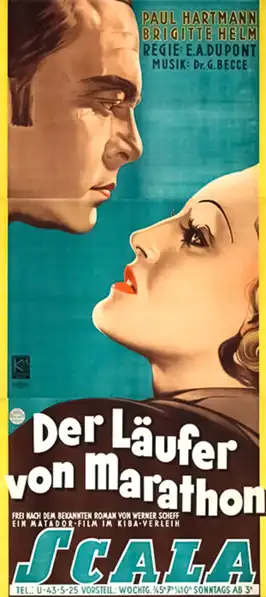
A definitive 6.7/10 rating for a film that redefined the boundaries of cult cinema. Der Läufer von Marathon remains a cornerstone of transgressive art.
If you like dusty European sports dramas where people sweat in heavy wool trousers, you might get a kick out of Der Läufer von Marathon.
But if you're looking for a smooth, modern athletic thriller, you're going to be bored out of your mind. 🏃♂️
It’s a 1933 German film co-written by Thea von Harbou. Yeah, that Thea von Harbou who wrote the screenplay for Metropolis.
But don't expect giant robots or sci-fi cities here. This is mostly about running and weird family drama.
The plot feels like it was put together by someone who drank three cups of strong coffee and then forgot where they put their car keys. It's supposedly about a marathon runner, but there is so much random domestic bickering stuffed into the margins.
Viktor de Kowa plays our main guy. He has this intense, wide-eyed look that makes him look like he's constantly trying to remember if he left the stove on.
And then there is Brigitte Helm. She's great, of course, but the movie doesn't really know what to do with her star power.
She just sort of stands around looking elegant and slightly annoyed. I don't blame her, honestly.
There is this one scene where a group of old men in suits are arguing about sports rules. It goes on for like five minutes.
I actually drifted off for a second and woke up to find them still arguing about the same exact thing. It felt very much like a boring local town council meeting.
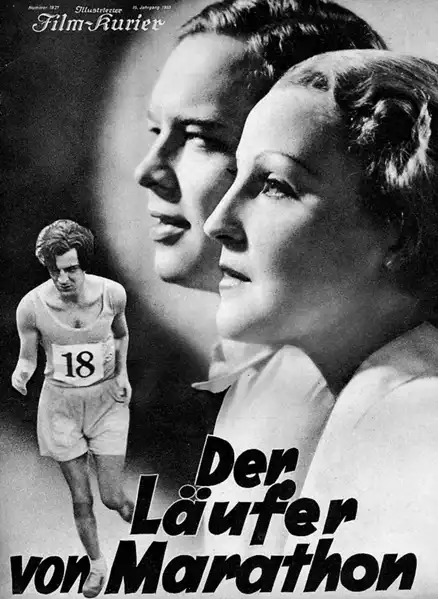
The racing scenes are actually kind of cool though. They have this gritty, dusty quality that makes you feel like you need to wash your face after watching.
It’s got a bit of that frantic energy you see in other films from that era, like Gehetzte Menschen, but way less polished.
The camera sometimes just wobbles around. It feels like the cameraman was running alongside the actors and struggling to keep his balance.
I love that kind of stuff. It feels real.
But then the movie stops dead for another long conversation in a dimly lit office. Why do these 1930s movies love offices so much?
There is a character played by Werner Finck who is supposed to be the comic relief, I think.
His jokes did not translate well across ninety years. Or maybe they weren't funny back then either.
He just sort of bumbles around and smiles too much.
The ending is... abrupt. Like, "Oh, we ran out of film, let's just stop here" abrupt.
It’s not a masterpiece, not by a long shot. But if you like weird old German movies, it’s a fun little time capsule.
IMDb 5
1928
Community
Log in to comment.