DbcultAccessing Vault...
Cult Review
Senior Film Conservator
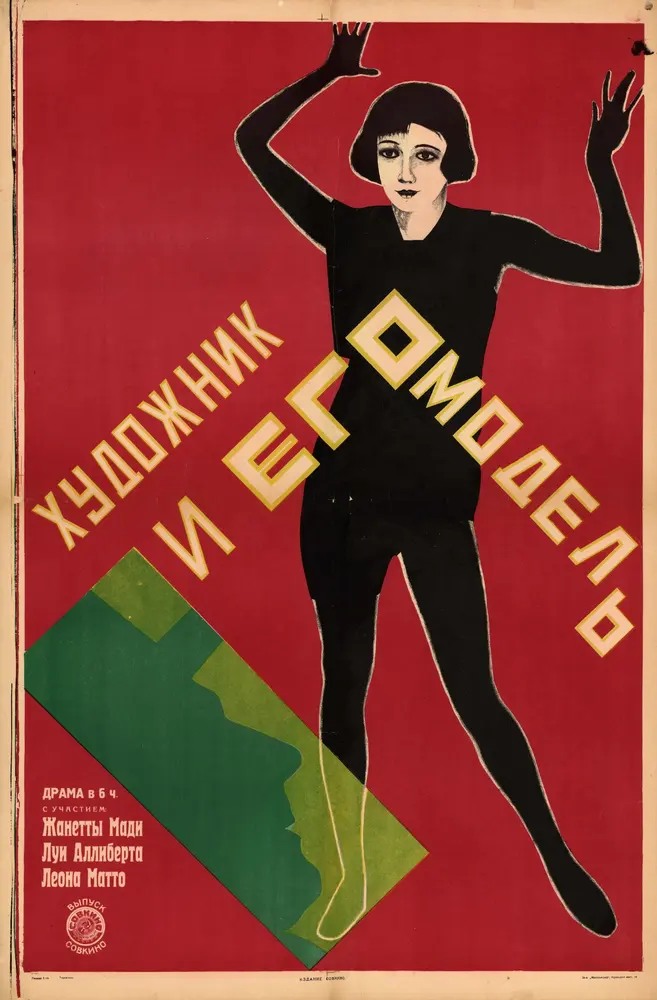
Is Der Maler und sein Modell worth watching today? Short answer: yes, but only if you view cinema as a historical artifact rather than a Friday night thrill.
This film is specifically for the patient viewer who finds beauty in the deliberate placement of shadows and the micro-expressions of a silent era star. It is absolutely not for anyone who requires the narrative momentum found in contemporary thrillers or even high-energy silent comedies like A Friendly Husband.
1) This film works because it captures the unsettling intensity of the artistic gaze, turning a simple studio setting into a psychological pressure cooker.
2) This film fails because its middle act stretches the limits of human patience, lacking the structural variety seen in works like The Third Degree.
3) You should watch it if you are a student of early French cinematography or if you enjoy films that prioritize mood over plot mechanics.
Der Maler und sein Modell is a film that breathes slowly. In an era where many films were trying to find their footing through slapstick or melodrama, this piece attempts something more cerebral. It focuses on the power dynamic between the painter (Léon Mathot) and his model (Ginette Maddie). Mathot plays the artist with a rigid, almost frightening focus that suggests art isn't just a calling, but a pathology.
There is a specific scene early in the film where Mathot adjusts the model’s chin. It is not a romantic gesture. It is the action of a man moving a bowl of fruit. This moment perfectly encapsulates the film's central tension: the dehumanization required for high art. It reminds one of the stark character studies in Who Killed Simon Baird?, though with far less blood and far more oil paint.
The lighting in these studio scenes is where the film truly finds its voice. The use of high-contrast chiaroscuro creates a sense that the characters are emerging from a void. It is a technical feat that rivals the ambitious visual scale of Creation, albeit on a much smaller, more intimate stage.
Ginette Maddie carries the emotional weight of the film. While the painter is the active force, Maddie’s model is the reactive soul. Her performance is a masterclass in silent restraint. She doesn't resort to the wild gesticulations common in the 1920s. Instead, she uses her eyes to convey a growing sense of displacement.
One particular close-up stands out: as she stares at her own portrait, her expression shifts from pride to a subtle, creeping horror. She realizes the painting is more 'alive' to the artist than she is. This type of nuanced acting was rare for the time, often eclipsed by the broader theatricality found in films like La belle Russe.
Maddie’s presence is the only thing that keeps the film from becoming a dry technical exercise. Without her, it would just be a series of well-composed shots of furniture and canvas. She gives the film its heartbeat, even when the script asks her to be as still as a statue.
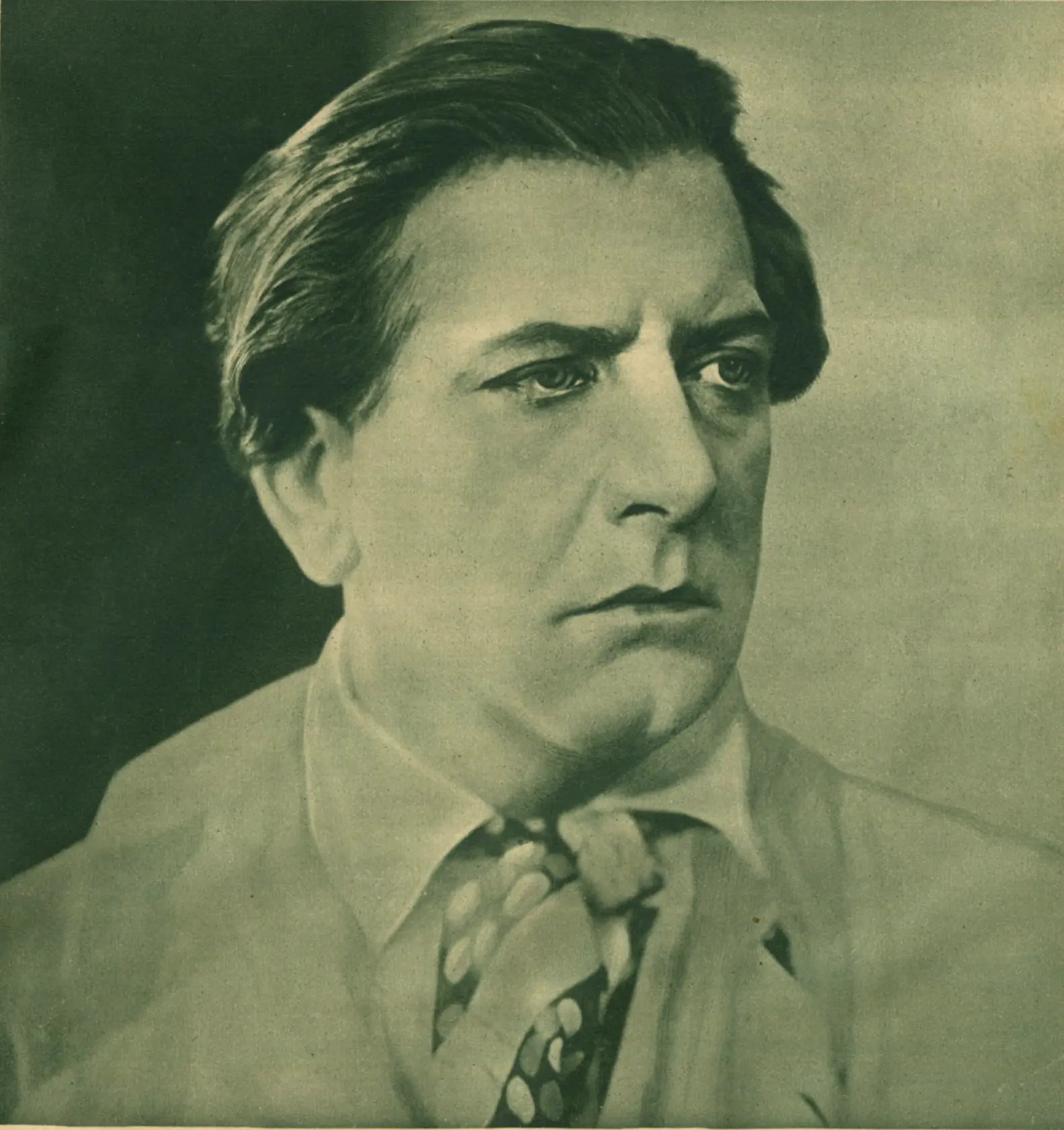
The direction is confident but arguably too self-indulgent. There is a fine line between a 'slow burn' and a 'stalled engine.' This film frequently dances on that line. The director seems obsessed with the mechanics of the studio—the mixing of paints, the stretching of canvas—at the expense of narrative progression.
If you compare the pacing here to the brisk, investigative energy of The Nervous Reporter, Der Maler und sein Modell feels like it’s moving through molasses. However, this may be intentional. The film wants you to feel the passage of time, the boredom of the model, and the agonizingly slow birth of a masterpiece.
The editing is functional but lacks the rhythmic innovation seen in later silent classics. It relies heavily on standard shot-reverse shot patterns during dialogues. It works. But it’s flawed. The lack of visual variety in the second act makes the 70-minute runtime feel twice as long.
Short answer: Yes, for the aesthetic value. If you are interested in how early cinema treated the concept of 'the muse,' this is a vital text. It provides a stark contrast to the more adventurous spirit of Big Dan or the exoticism of L'écrin du rajah.
The film offers a window into a specific Parisian artistic temperament that has largely vanished. It is a quiet, brooding piece that demands your full attention. If you give it that attention, you will be rewarded with some of the most beautiful imagery of the silent era. If you don't, you will likely be asleep before the first title card ends.
Pros:
Cons:
Here is something most critics miss: Der Maler und sein Modell is actually a proto-horror film. While it is categorized as a drama, the way the camera lingers on the painter’s tools and the way he 'traps' the model in the frame feels remarkably similar to the way a predator stalks prey. It shares more DNA with the suspense of Der Fall Dombronowska...! than it does with a standard romance like Stop That Wedding.
This 'art-as-horror' angle makes the film far more interesting than its plot summary suggests. It’s not about the creation of beauty; it’s about the destruction of the subject in service of that beauty. It is a cynical, sharp, and ultimately depressing outlook on the human condition.
Der Maler und sein Modell is a fascinating, if occasionally tedious, relic of French cinema. It lacks the populist appeal of Betty and the Buccaneers or the spiritual weight of Il miracolo della Madonna di Pompei. However, it earns its place in the canon through sheer atmospheric commitment.
It is a film that refuses to compromise. It doesn't offer easy answers or a happy ending. It simply presents a world where art is a hungry god that demands sacrifices. If you can handle the silence and the slow pace, you will find a film that lingers in the mind long after the screen goes dark. It is a flawed work, but its flaws are as interesting as its successes. In the landscape of 1920s cinema, it remains a unique, albeit somber, landmark.
IMDb 5.6
1914
Community
Log in to comment.