DbcultAccessing Vault...
6.1/10
Senior Film Conservator
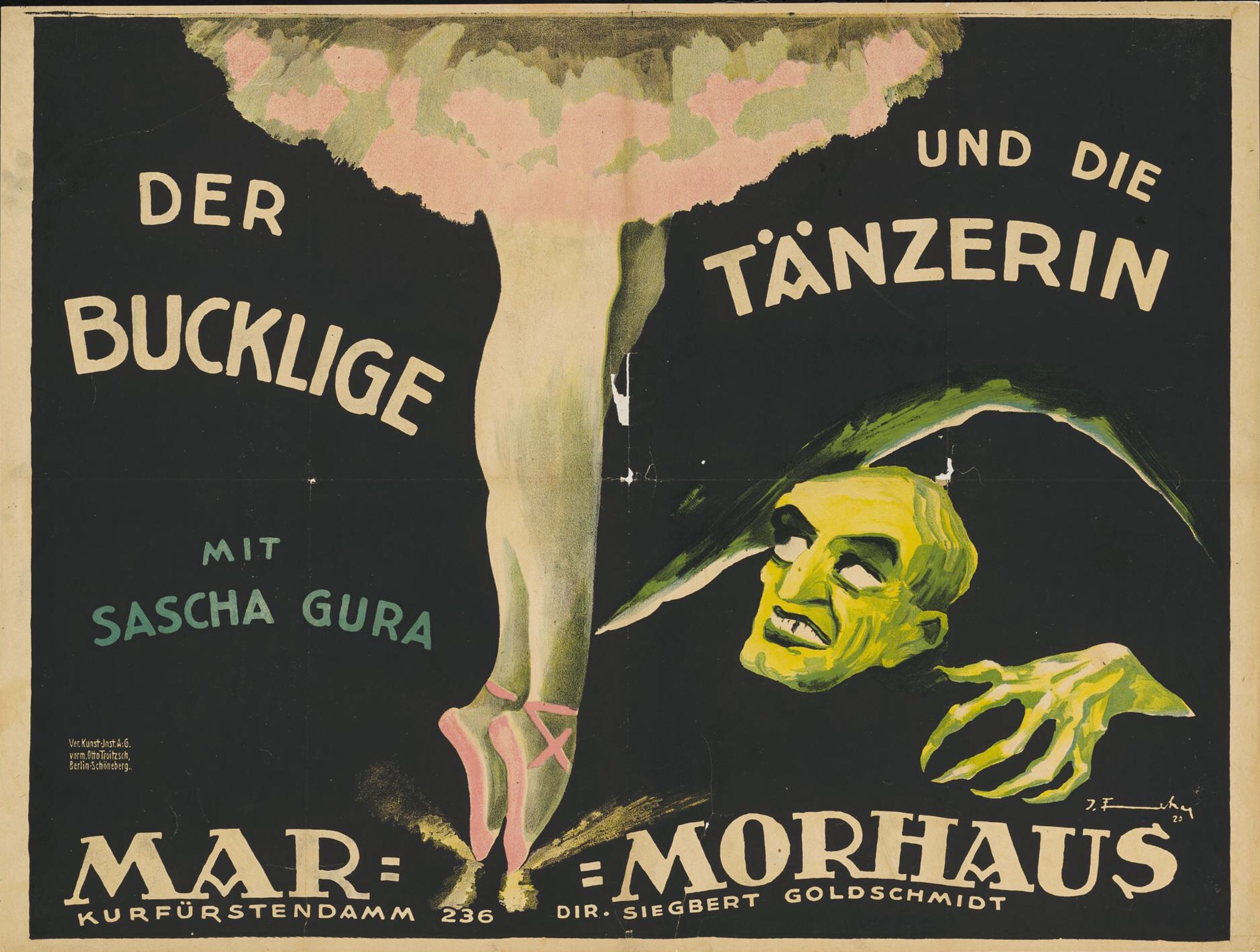
A definitive 6.1/10 rating for a film that redefined the boundaries of cult cinema. The Hunchback and the Dancer remains a cornerstone of transgressive art.
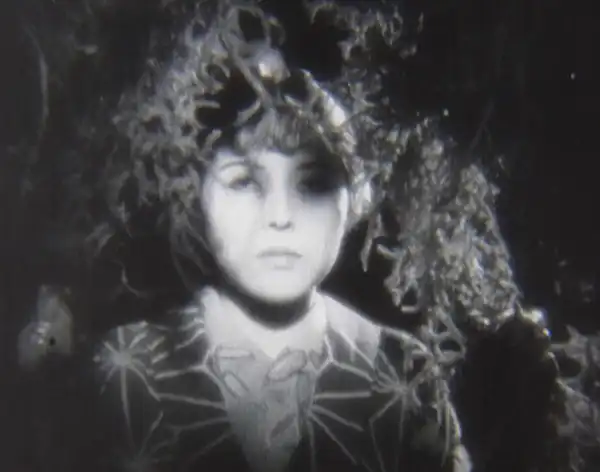
There is a specific, jagged ache that permeates the early collaborations of writer Carl Mayer, a sense of psychological claustrophobia that would eventually define the Weimar era's cinematic soul. In The Hunchback and the Dancer (1920), we are confronted with a narrative that feels less like a traditional silent drama and more like a visceral autopsy of the human ego. The film, though largely lost to the ravages of time, exists in the collective memory of cinephiles as a foundational text of the grotesque-romantic genre. It is a story of Wilton, played with a haunting, angular desperation by John Gottowt, whose very existence is a site of conflict between internal nobility and external deformity.
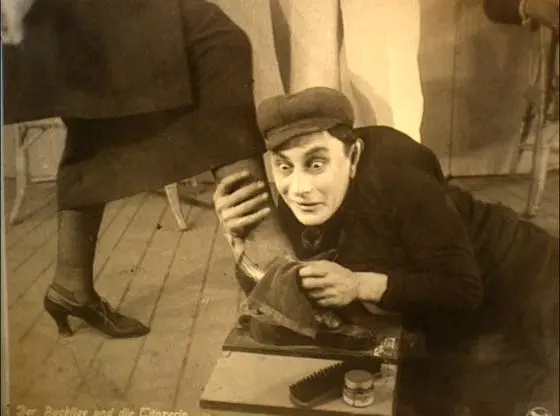
Wilton is not merely a protagonist; he is a manifestation of the social pariah. In the opening sequences, Mayer establishes a world where beauty is the only currency that matters. Unlike the more optimistic tones found in films like The Light in Darkness, where redemption feels attainable through spiritual clarity, Wilton’s world is one of transactional cruelty. He is mocked by women who see his hunchback not as a tragedy, but as a punchline. This initial rejection sets the stage for a transformation that is both literal and metaphorical. His journey to Java is a classic colonial trope—the extraction of wealth from the 'exotic' East to compensate for a lack of social standing in the West. But when Wilton returns with his diamonds, the film takes a sharp turn into the macabre.
The wealth Wilton acquires does not heal his spirit; it merely provides him with the tools to construct a mask. He enters the life of Gina (the luminous Bella Polini) at her most vulnerable moment. She is a dancer, a profession that in 1920s cinema often symbolized a precarious balance between art and artifice. Her rebound from a broken affair makes her the perfect recipient of Wilton’s desperate generosity. Here, the film mirrors the thematic weight of A Butterfly on the Wheel, where the fragility of a woman's social position forces her into compromising alliances.
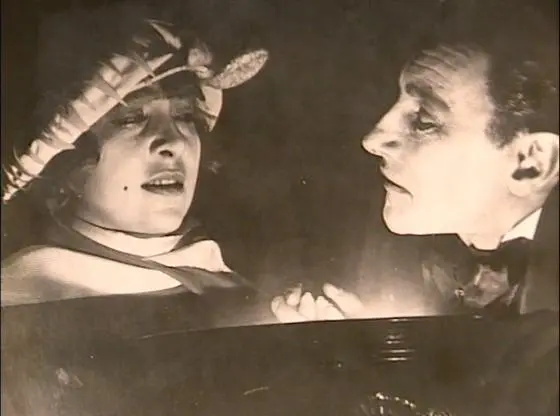
What elevates The Hunchback and the Dancer above standard melodrama is the third act’s descent into alchemical horror. When Wilton discovers that Gina’s reconciliation with her boyfriend is facilitated by the very gifts he provides, the film sheds its romantic pretenses. The betrayal is total. It is not just a loss of love, but a confirmation that his physical form will forever preclude him from being seen as anything other than a source of capital. His reaction is not a public outburst, but a private, scientific calculation. The creation of the poisoned lipstick is a stroke of genius on Mayer’s part. It turns the dancer’s primary tool of allure—the mouth—into a weapon of mass destruction. It is a poetic, albeit terrifying, symmetry: since her words and kisses were lies, they shall now be lethal.
This plot point invites comparison to the obsessive drives seen in Day Dreams, though Wilton’s obsession is far more predatory and finalized. There is no room for the melancholic longing of a dreamer here; there is only the cold precision of a man who has decided that if he cannot be loved, he will be the architect of a silent, invisible plague. The lipstick acts as a surrogate for Wilton himself—something that looks attractive on the surface but contains a core of bitterness and death.
While contemporary audiences might find the 'rich outcast' trope familiar, the execution in this 1920 production is remarkably sophisticated. Consider the narrative trajectory of The Golden Goal, which deals with ambition and the costs of success. Wilton’s 'goal' is not just wealth, but a fundamental rewriting of his identity. However, unlike the characters in Turning the Tables, where social reversals are often played for wit or justice, Wilton’s reversal is a descent into madness. He doesn't just want to win; he wants to ensure that the game itself is destroyed.
The film also touches upon themes of class and the 'nouveau riche' that we see in Notorious Gallagher; or, His Great Triumph, but it strips away the triumph in favor of a hollow, pyrrhic victory. Even the rugged landscapes of Wild and Western or the frontier grit of Chimmie Fadden Out West feel simple compared to the psychological frontier Wilton crosses. He is a man who has traveled to the edges of the world only to find that the same prejudices exist everywhere, merely waiting for a different price tag.
Bella Polini’s performance as Gina is a masterclass in the mercenary heart. She portrays Gina not as a mustache-twirling villainess, but as a pragmatist surviving in a world that values her only for her youth and movement. This makes Wilton’s revenge even more tragic; he is punishing a woman for playing the very game that society taught her. In many ways, Gina is as much a victim of the era’s rigid social structures as Wilton is. This complexity is often missing in films like The Spitfire or The Magnificent Meddler, which tend to lean into more binary moralities.
The visual language of the film—reconstructed from scripts and contemporary accounts—suggests a world of heavy shadows and claustrophobic interiors. The diamond mine in Java is contrasted with the suffocating luxury of Wilton’s European estate. It’s a thematic precursor to the social decay explored in The Sowers or the physical peril of De levende ladder. The 'ladder' Wilton tries to climb is one made of diamonds and corpses, and by the time he reaches the top, there is no one left to greet him but his own reflection.
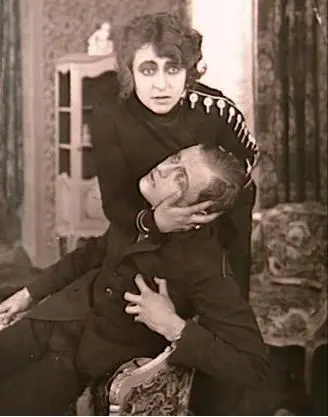
As a critic, one cannot help but mourn the loss of the actual celluloid for this film. To see Gottowt’s expressions as he mixes the poison, to witness the choreography of Polini’s dances—these are the 'ghosts' of cinema. The film shares a certain DNA with A Weaver of Dreams, yet it replaces the 'dream' with a nightmare of chemical precision. It lacks the pastoral serenity of The Trail of the Lonesome Pine, opting instead for an urban, gothic rot that feels surprisingly modern.
Ultimately, The Hunchback and the Dancer is a cautionary tale about the limits of transformation. Wilton believes that by changing his circumstances, he can change his essence. He learns, through a haze of toxic lipstick and broken promises, that the world’s cruelty is far more resilient than his wealth. It is a film that demands we look at the 'monster' and recognize the society that created him. It is a story as old as time, yet as sharp as a diamond, reflecting the same domestic tensions found in Just a Woman, but elevated to the level of a dark, operatic myth.
A haunting artifact of the 1920s, this film remains a pinnacle of silent-era psychological horror, proving that the most dangerous poisons are those we brew within ourselves.
IMDb —
1925
Community
Log in to comment.