DbcultAccessing Vault...
Cult Review
Senior Film Conservator
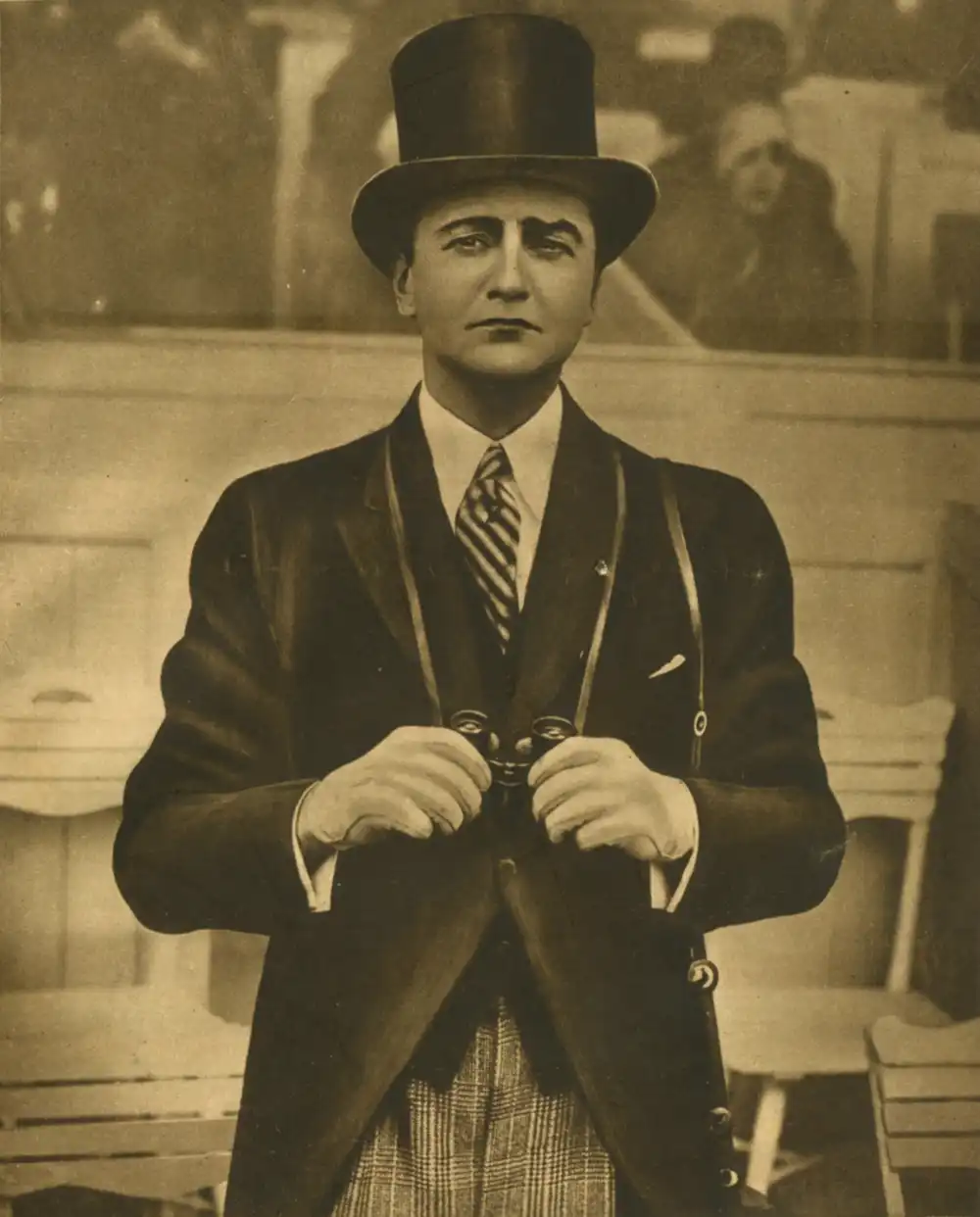
Alright, so 'Der moderne Casanova.' Is it worth digging up today? Well, if you’re a genuine silent film enthusiast, especially one with a soft spot for the period’s particular brand of romantic comedy, then yeah, maybe. You’ll find some things to chew on, for sure. But for casual viewers, or anyone used to, you know, movies where people talk, it’s probably going to feel a bit like homework. You might find yourself checking the time. 🕰️
Harry Liedtke plays the titular Casanova, and he’s certainly got the smile for it. The film really leans into his charisma right from his first appearance, which is all dramatic cape swishes and knowing glances. It’s almost a bit *too* much at times, like the director really wants you to understand how charming this guy is, in case you missed it the first three times.
There’s this one sequence early on, where he’s at a fancy party, and he just glides through the room, collecting admiring stares. It’s supposed to be impressive, I think. But the way he keeps catching Irene Parma’s eye, then looking away with a sort of sly, almost smug expression? It lingers a bit too long, and for a second, you wonder if his charm isn't just a tiny bit exhausting.
The whole thing feels very much of its time, which is both a strength and a… well, a thing. The expressions are big, the gestures even bigger. When someone is surprised, they don’t just raise an eyebrow; they look like they’ve seen a ghost. And when they’re happy, oh boy, it’s a full-body experience. It’s actually quite fun to watch for the sheer theatricality of it all.
Otto Wallburg, often a delight, pops up as a character who seems perpetually flustered by Liedtke's antics. His exasperated eye-rolls are probably the most 'modern' thing in the whole movie. You can almost feel him wishing he had a line of dialogue just to sigh dramatically.
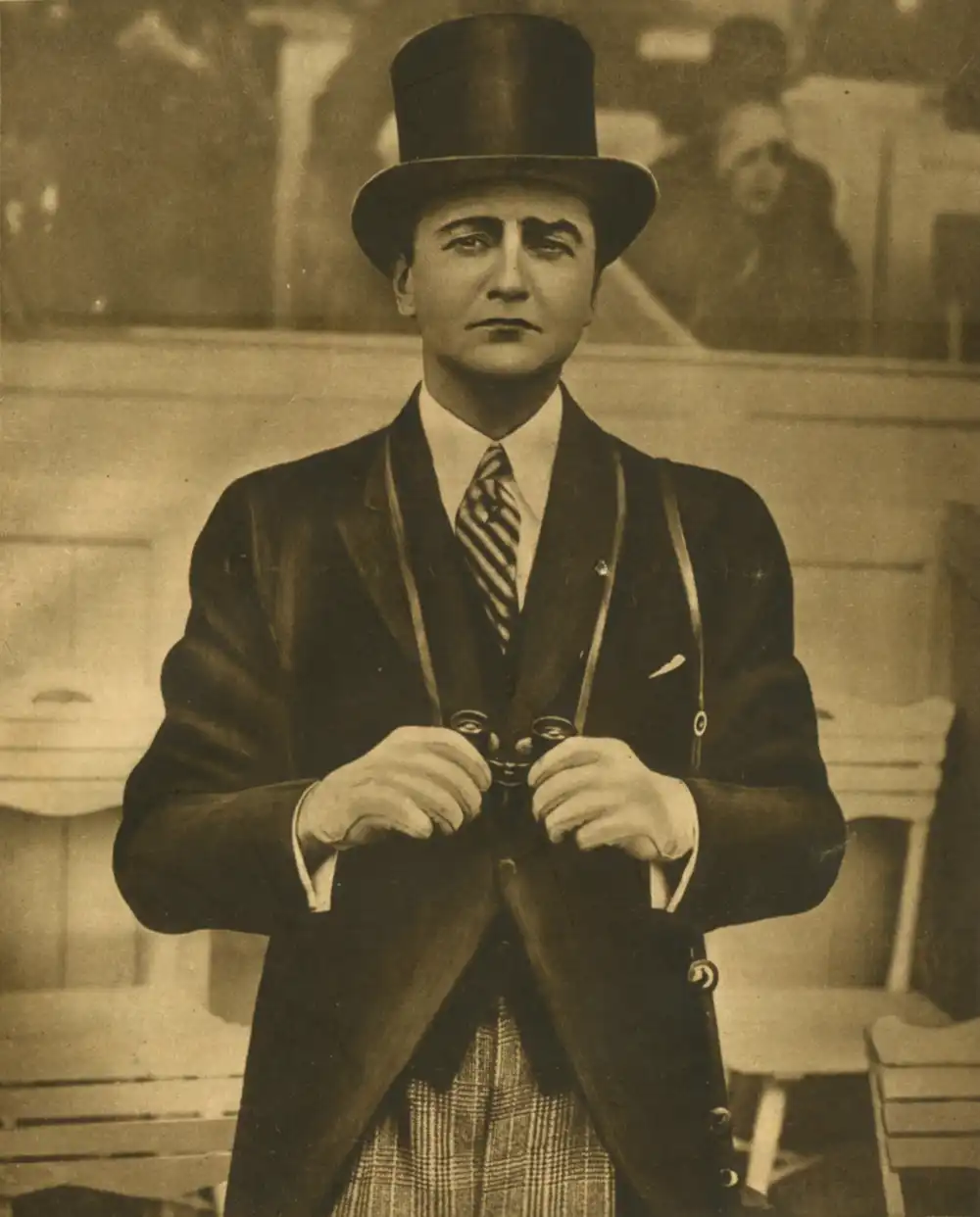
The plot, such as it is, revolves around Liedtke’s character trying to navigate a series of romantic entanglements, as you’d expect. He’s always getting into some kind of scrape, then winking his way out of it. It’s less about character development and more about enjoying the spectacle of a rogue being a rogue.
There's a scene involving a mistaken identity, or maybe just a very confused waiter, where the visual gag just sort of… lands flat. It’s trying hard for a laugh, with lots of running back and forth, but the timing feels off. Like the comedic beats are just a hair behind. You can almost hear the crickets.
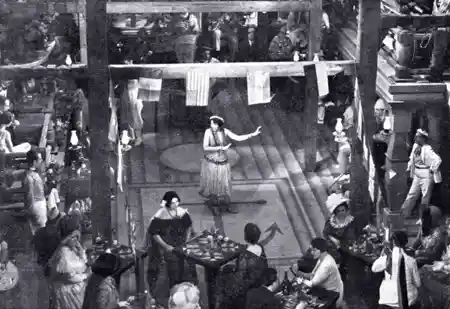
The sets are what you’d expect for a fairly well-produced film of the era; some lavish interiors, a few exterior shots that feel a little like painted backdrops. Nothing revolutionary. But the costumes, especially for the women like Lya Christy and María Corda, are quite lovely. So much lace and feathered hats! 👒 You just want to reach into the screen and try them on.
I found myself wondering about the 'modern' part of the title. Is it that he’s not a noble but a regular guy? Or just that his methods are slightly updated from, say, a literal 18th-century Casanova? The film doesn't really delve deep into that. It’s more content with presenting a charming scoundrel for you to observe.
Towards the end, the pacing picks up a bit, almost as if everyone suddenly remembered they had a train to catch. There's a chase sequence, quite mild, but it adds a much-needed jolt of energy. It’s not exactly edge-of-your-seat stuff, but it keeps things from getting *too* sleepy.
All in all, 'Der moderne Casanova' is a curiosity. It’s not going to redefine cinema for you. But if you're into the specific charm of 1920s German cinema, or just want to see Harry Liedtke really commit to being a handsome rascal, then give it a shot. Just don’t expect a revelation. It’s just a nice, if somewhat long, afternoon flick. And honestly, it made me want to wear a more dramatic hat.🎩
IMDb —
1931
Community
Log in to comment.