DbcultAccessing Vault...
Cult Review
Senior Film Conservator
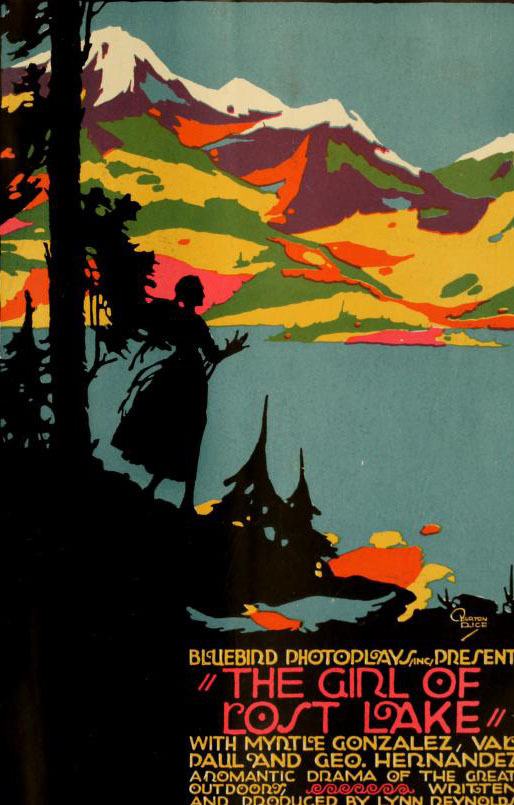
In the annals of early American cinema, specifically within the output of the Bluebird Photoplays brand, few films capture the intersection of naturalism and melodrama with the same poignant clarity as The Girl of Lost Lake. Directed by the often-underappreciated Lynn Reynolds, this 1916 silent feature is more than a mere relic of the pre-war era; it is a sophisticated examination of how landscape shapes character and how morality is often a casualty of perspective. Unlike the more urban-centric dramas of its time, such as The Soul of Broadway, Reynolds’ work here breathes with the rarified air of the mountains, using the topography of Lost Lake not just as a backdrop, but as a silent witness to a tragedy of errors.
The narrative architecture is built upon the foundation of a 'childhood sweetheart' trope, yet it quickly subverts expectations by introducing the corrosive influence of the outsider. Vaughan McAndrews (Jack Connolly) represents the return of the prodigal son, whose memories of Jude Clark (Myrtle Gonzalez) are filtered through the soft-focus lens of nostalgia. However, the reality he encounters is one of rigid social expectations. The mountain community, led by the judgmental Dave Bean (Jack Curtis) and the pragmatic Judge West (George Hernandez), operates under a code of conduct that leaves little room for the fluidity of emotion or the complexities of circumstantial misfortune.
Perhaps the most intellectually stimulating element of the film is the subplot involving Harrison, the artist. In a move that predates modern critiques of media manipulation, Harrison induces Jude to pose for him, only to paint her in a compromise she never inhabited. This act of artistic libel is a striking metaphor for the way women were—and often still are—framed by those who hold the tools of representation. When Vaughan sees the painting, his immediate loss of faith in Jude highlights the fragility of his own character. He is a man of the world, yet he falls prey to the most basic form of visual deception.
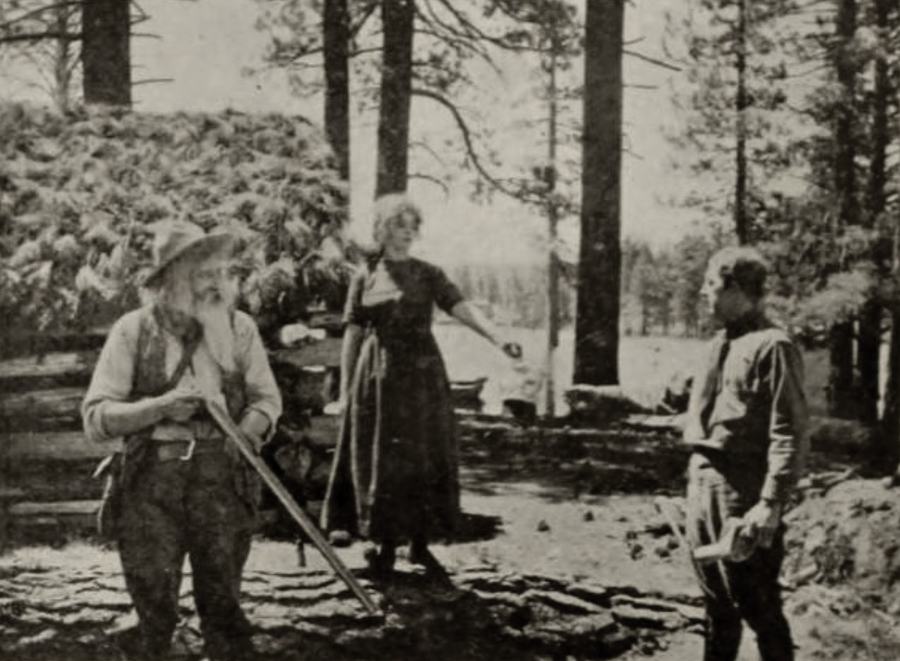
This thematic thread invites comparison to other films of the era that dealt with the deception of appearances, such as The Flash of an Emerald or the more fantastical deceptions found in Vampire. However, while those films often leaned into the supernatural or the overtly villainous, The Girl of Lost Lake keeps its feet firmly planted in the soil. The betrayal felt by Jude is visceral because it is social; she is not just losing a lover, she is losing her place in the only world she knows.
One cannot discuss this film without paying homage to Myrtle Gonzalez. As the screen’s first Latin American star of the silent era, her performance here is a masterclass in understated pathos. In an age where many actors were still relying on the exaggerated gestures of the stage—a style seen in earlier works like The Life and Works of Verdi—Gonzalez brings a modern, internal quality to Jude. Her transition from the playful girl of the lake to the grieving, abandoned daughter who must 'pocket her pride' to save her father is heartbreakingly rendered.
Her chemistry with the ensemble, particularly George Hernandez as the paternal Judge West, provides the film’s emotional anchor. While Dave Bean represents the toxic, possessive side of rural life, Judge West embodies a more enlightened patriarchy. His decision to install Jude as a partner in his gold prospecting venture is a radical narrative turn for 1916. It transforms Jude from a victim of circumstance into a woman of industry, echoing the spirited heroines found in Jess of the Mountain Country or Gretna Green.
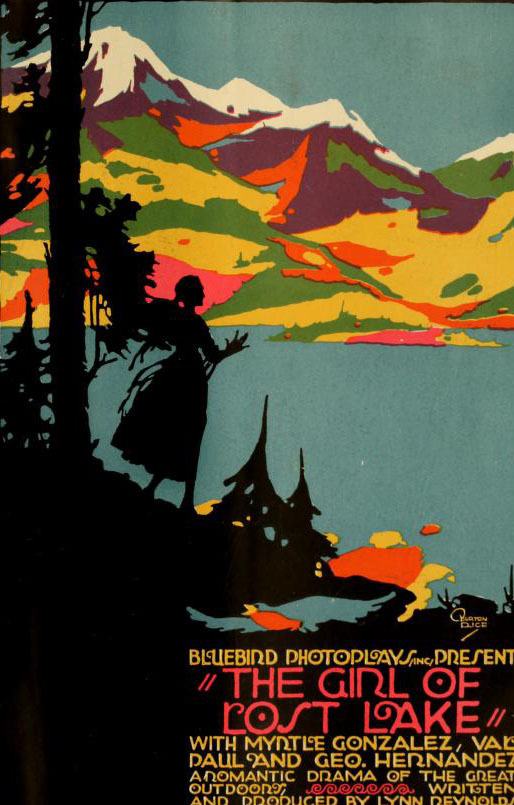
Technically, the film is a testament to Lynn Reynolds’ eye for composition. The location shooting at Lost Lake (likely in the San Bernardino Mountains) provides a sense of verisimilitude that studio-bound productions of the time, like Our Mutual Girl, lacked. The way the light hits the water and the shadows play across the rugged terrain serves to mirror Jude’s internal state. When she is at her lowest, the mountains seem to close in on her; when she finds gold with the Judge, the vistas open up, suggesting a newfound freedom.
The use of the 'lost letter' as a plot device may feel somewhat archaic to modern audiences—a trope frequently utilized in melodramas like The Seed of the Fathers or The Folly of Sin—but within the context of this film, it serves a deeper purpose. The letter, hidden in the Judge’s pocket, represents the suppressed truth. Its discovery coincides with the discovery of gold, linking emotional wealth with material survival. It is a moment of kismet that feels earned rather than forced, precisely because the characters have endured so much systemic injustice.
Reynolds also spends a significant amount of screen time detailing the 'village gossips.' These characters are not merely background noise; they are the primary antagonists. Their whispers are what drive Dave Bean to his confrontation with Harrison and what ultimately force Jude into a state of social exile. This critique of the 'small-town mind' is a recurring theme in early American cinema, often contrasted with the perceived decadence of the city. Yet, in The Girl of Lost Lake, the city (represented by Harrison and Vaughan) and the country (represented by the gossips) are equally complicit in Jude’s downfall.
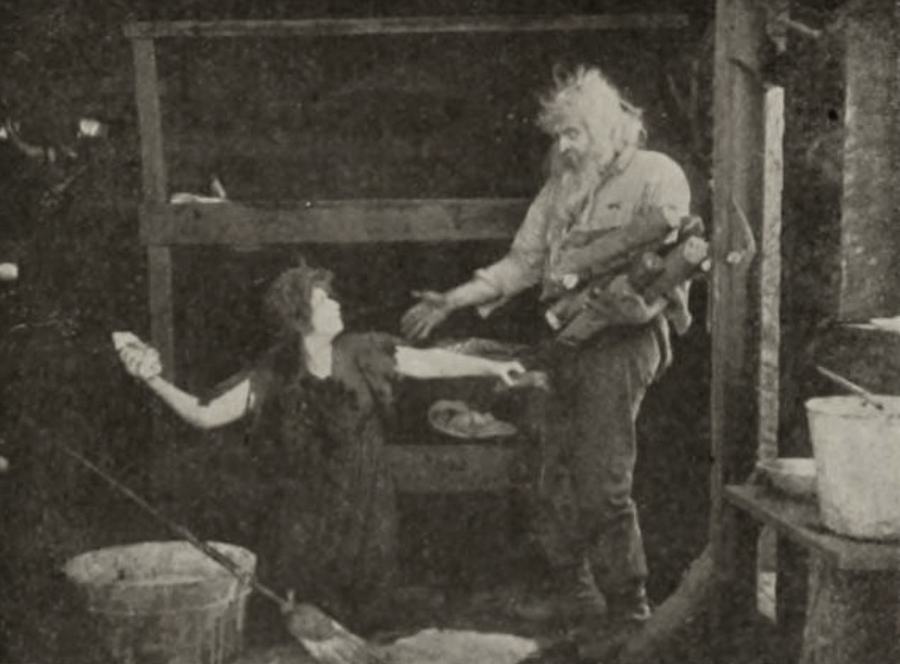
This film stands in stark contrast to the more theatrical or 'staged' productions like The Triumph of an Emperor or the genre-heavy Zigomar contre Nick Carter. It is a quiet film, one that values the pause between the action. It shares a certain DNA with A Woman Wills in its depiction of female resilience, but it surpasses it through its atmospheric depth.
In the final analysis, The Girl of Lost Lake is a vital piece of the silent film puzzle. It addresses themes of class, gender exploitation, and the redemptive power of the natural world with a maturity that belies its age. While it may lack the frantic energy of a Der gestreifte Domino or the whimsical charm of Rumpelstiltskin, it offers something far more enduring: a genuine human pulse.
For those looking to understand the evolution of the American Western-Melodrama, this film is essential viewing. It reminds us that before the genre became codified by tropes of gunfights and outlaws, it was a space for exploring the raw, often painful realities of living on the edge of civilization. It is a story of a woman who was painted as something she wasn't, only to find the strength to define herself on her own terms. Much like the 'Devil’s Brew' in Hop - The Devil's Brew, the circumstances of Jude’s life were intoxicatingly difficult, but she emerged from the crucible with her spirit intact.
Final Verdict: A hauntingly beautiful exploration of character and landscape that remains a high-water mark for 1916 cinema.
IMDb 5.2
1916
Community
Log in to comment.