DbcultAccessing Vault...
Cult Review
Senior Film Conservator
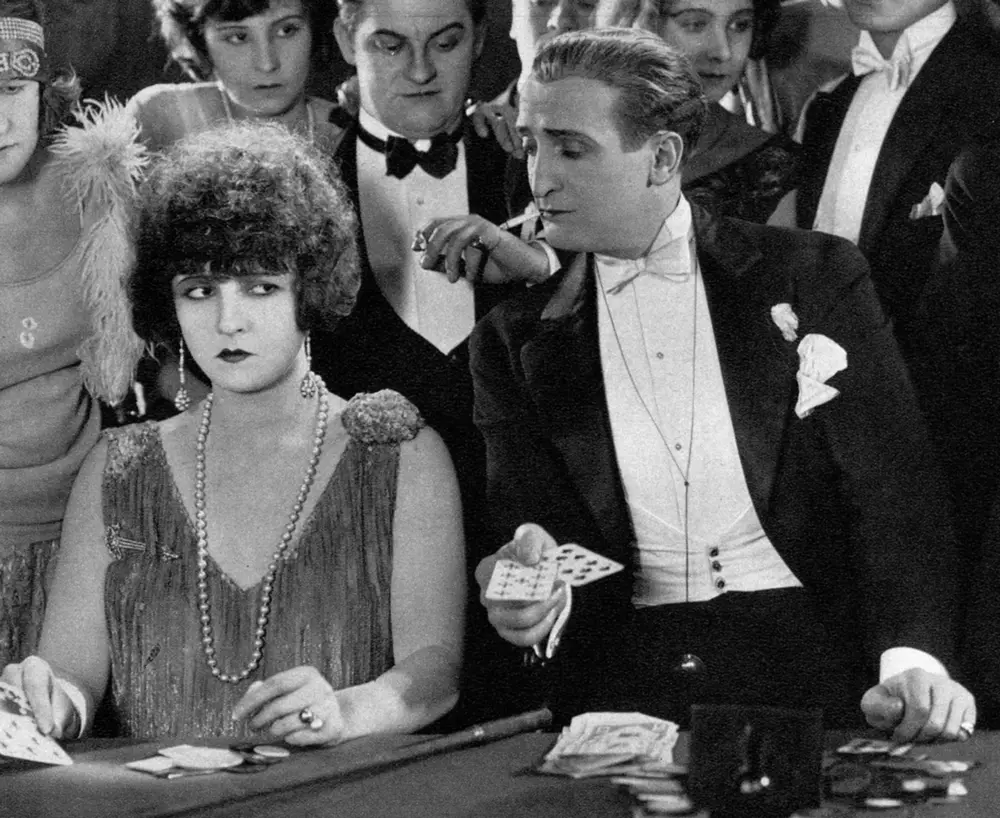
Short answer: yes, but with significant caveats. For enthusiasts of silent cinema, particularly those with a keen interest in German film history and the nuanced performances of the era, 'Der Prinz und die Tänzerin' offers a fascinating glimpse into a foundational period of cinematic storytelling. However, for casual viewers accustomed to modern pacing and narrative conventions, it will undoubtedly prove a challenging, perhaps even frustrating, watch.
This film is unequivocally for the cinephile, the historian, and anyone eager to peel back the layers of early 20th-century filmmaking. It is emphatically not for those seeking instant gratification, fast-paced action, or a straightforward, easily digestible plot without prior understanding of silent film aesthetics.
To truly appreciate 'Der Prinz und die Tänzerin', one must first suspend modern expectations and embrace the unique language of silent cinema. This isn't merely a film; it's a historical artifact, a testament to the pioneering spirit of early German filmmaking, where narrative was conveyed through expressive pantomime, dramatic intertitles, and the evocative power of light and shadow. Written by Leo Birinsky, a figure known for his theatrical sensibilities, the film likely translated a stage-like grandeur to the burgeoning screen, a common practice of the time.
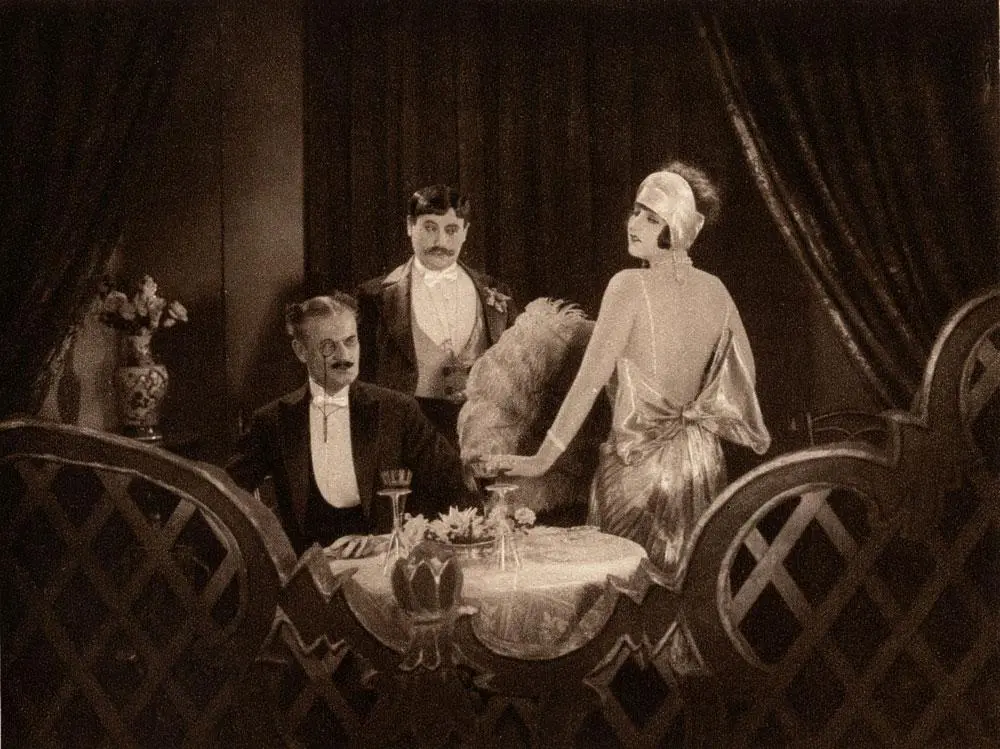
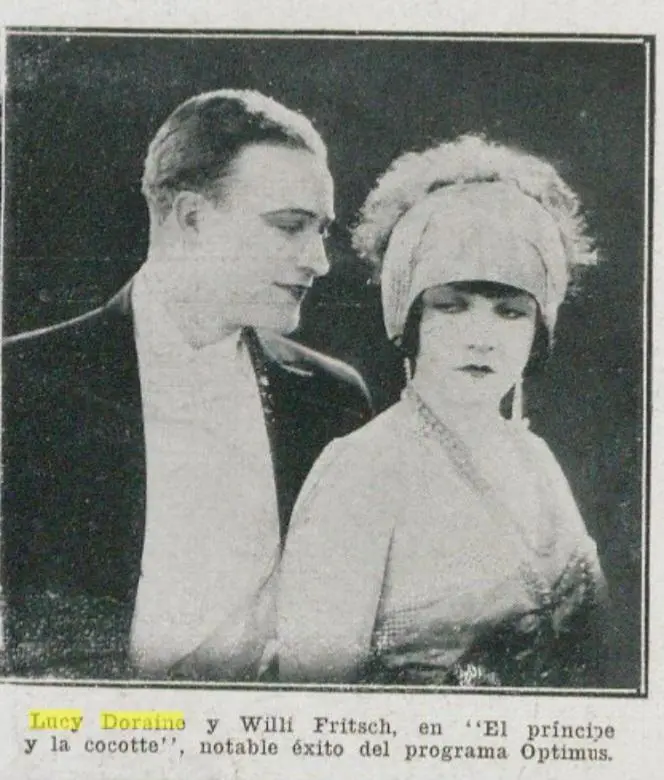
The premise itself—a prince falling for a dancer—is a timeless trope, a narrative wellspring tapped countless times before and since. It speaks to universal themes: the clash of class, the pursuit of forbidden love, and the individual's struggle against societal strictures. In the hands of a capable cast, which includes notable names like Hans Albers and Lucy Doraine, such a story could transcend the limitations of its format and resonate deeply.
This film works because it taps into these foundational human dramas with a sincerity that defined silent era storytelling. It fails because its pacing is glacial by contemporary standards, demanding a level of patience many modern viewers simply don't possess. You should watch it if you're prepared to engage with cinema as an anthropological study, a window into how stories were first told on screen.
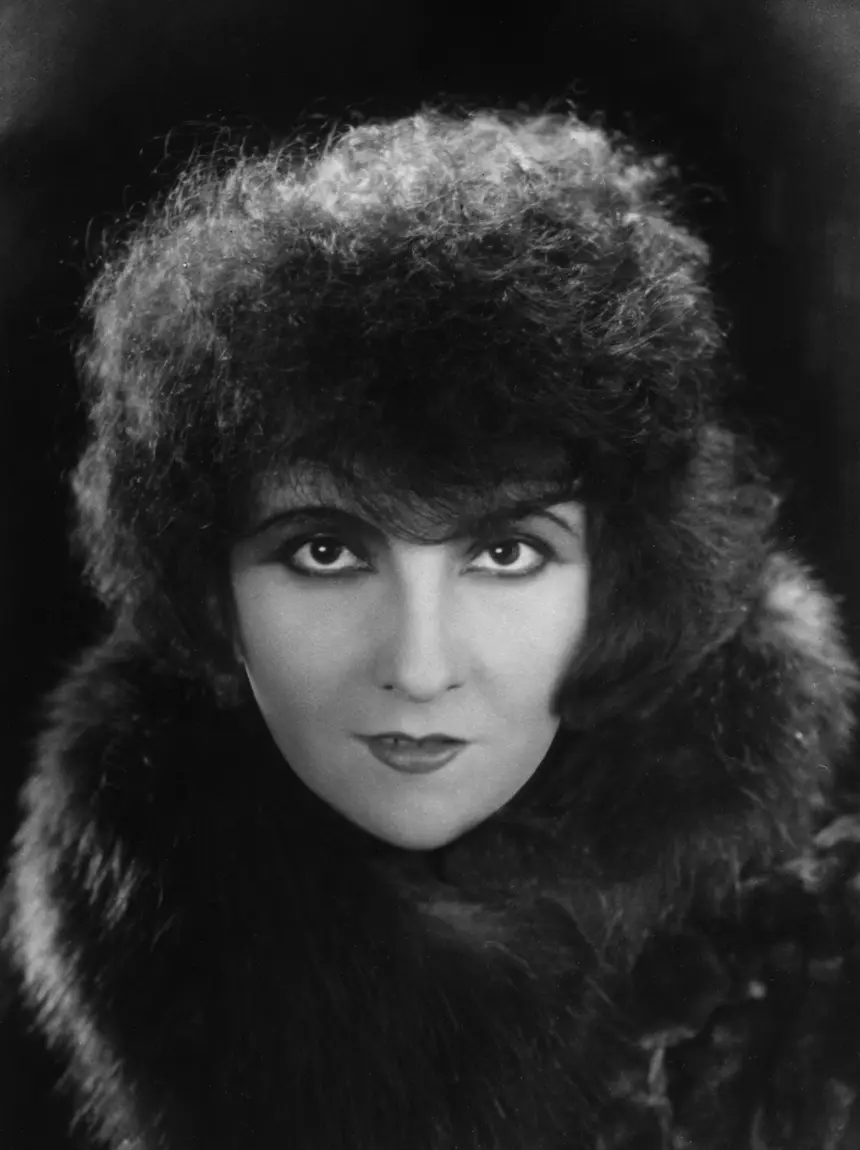
Silent film acting is an art form entirely unto itself. It relies on exaggerated gestures, profound facial expressions, and a physical eloquence that today's more naturalistic performances rarely employ. The cast of 'Der Prinz und die Tänzerin' would have been masters of this craft, conveying entire emotional arcs without uttering a single audible word. Lucy Doraine, often lauded for her expressive eyes and graceful presence, would have been perfectly cast as the titular dancer, imbuing her character with both vulnerability and a defiant spirit. Her ability to project inner turmoil or burgeoning joy through subtle shifts in posture or a lingering gaze would have been crucial.
Conversely, the male leads, such as Willy Fritsch or Hans Albers, would have brought a different kind of intensity. Albers, known for his charismatic yet often troubled characters, could have portrayed a prince torn between duty and desire with a captivating blend of inner conflict and outward charm. Imagine a scene where the Prince, perhaps in a dimly lit study, paces restlessly, his shadow stretching dramatically across the wall, his hands clenching and unclenching – a silent ballet of internal struggle that a modern actor might convey with a single, muttered line. This is the power of silent cinema: the visual metaphor becomes the dialogue.
The supporting cast, featuring stalwarts like Hermann Picha and Julia Serda, would have provided the necessary gravitas and often, the comedic relief or stern opposition crucial to the narrative. Serda, likely playing a formidable matriarch or a lady-in-waiting, would have used her posture and sharp, disapproving glances to convey the rigid societal expectations that threaten the central romance. Their performances, viewed through a contemporary lens, might appear melodramatic, but within the context of their time, they were the very essence of compelling storytelling.
The true magic of 'Der Prinz und die Tänzerin' lies not in a groundbreaking plot, but in the sheer audacity of its visual storytelling, a testament to an era where the camera itself was learning to speak. It works. But it’s flawed.
Without specific directorial credits beyond the writer Leo Birinsky, we can infer that the visual style of 'Der Prinz und die Tänzerin' would have adhered to the prevailing cinematic trends of early 1920s Germany. This was a period oscillating between the grand theatricality of established stage directors and the burgeoning experimentalism of German Expressionism. One can envision lavish ballroom scenes, where the opulence of the court is contrasted with the simpler, more intimate settings of the dancer's world. The use of deep focus for grand establishing shots of palatial interiors, followed by stark, emotional close-ups to emphasize a character's internal state, would have been common.
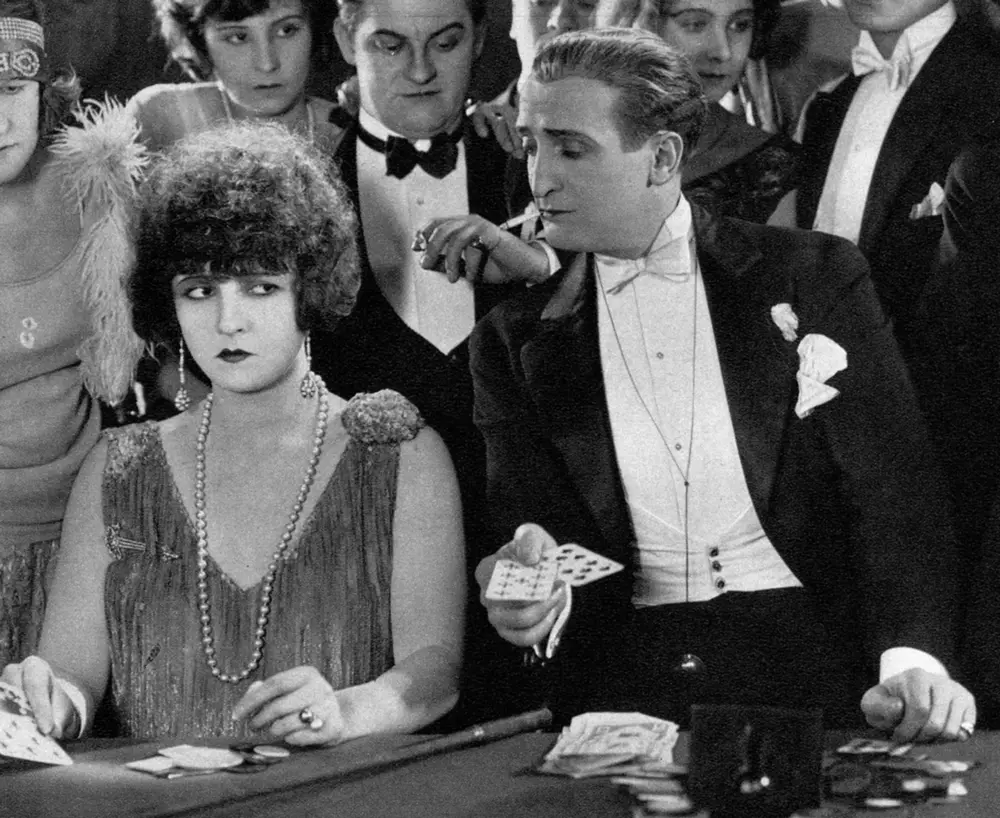
Cinematography, even in its nascent stages, was a powerful tool. Lighting would have been employed not just for visibility, but for dramatic effect. Shadows might have been used to symbolize the hidden nature of the lovers' affair, or to create a sense of foreboding as societal pressures mount. Consider a scene where the Prince and Dancer meet in secret, perhaps illuminated by a single, soft lamp, their faces bathed in a warm glow that accentuates their connection, while the surrounding darkness hints at the dangers that lurk. This is a far cry from the stark, often unsettling visuals of contemporaries like Das Todesgeheimnis, but still potent in its own right.
Pacing in silent films often feels elongated to modern sensibilities. Scenes lingered longer, allowing audiences to absorb the visual information and emotional beats without the aid of quick cuts or rapid-fire dialogue. Intertitles, far from being mere text, were integral narrative devices, functioning as both exposition and dialogue. Their design, font, and placement were carefully considered to maintain the film's tone and rhythm. A particularly effective intertitle might be a simple, bold declaration of love, appearing just as the two protagonists share a significant glance, amplifying the moment's emotional weight.
The central conflict of 'Der Prinz und die Tänzerin' is inherently compelling: the tension between individual desire and societal expectation. The Prince represents duty, tradition, and the rigid structure of the aristocracy. The Dancer embodies freedom, artistic expression, and a life unburdened by inherited titles. Their union is, by its very nature, an act of rebellion. This theme, while seemingly straightforward, carries layers of social commentary relevant to post-WWI Germany, a nation grappling with its own traditions and modernity. The film, in its quiet way, challenges the very foundations of class division, suggesting that genuine connection transcends artificial barriers.
An unconventional observation about films of this ilk is how they often inadvertently highlight the democratic potential of art. The dancer, despite her humble origins, commands attention and admiration through her talent, a meritocracy of performance that stands in stark contrast to the inherited power of the prince. This subtle subversion, where artistic prowess holds sway over birthright, is a surprisingly progressive undercurrent for a film of its era.
The film's tone would have likely shifted between moments of grand romance, lighthearted flirtation, and genuine dramatic tension. The stakes are high; their love could mean scandal, disinheritance, or even exile for the Prince. The emotional journey, therefore, would have been a rollercoaster, from the initial spark of attraction to the inevitable confrontations with disapproving family members and court officials. Think of the societal pressure exemplified in films like The Sultana, where personal desires are often crushed by overarching power structures.
Does a film like 'Der Prinz und die Tänzerin' feel authentic today? For its time, absolutely. The emotions, though conveyed through a different lexicon, are universal. The struggles with class and expectation are still very real, if manifested differently. The film's authenticity lies not in its realism (which silent films rarely aimed for in a modern sense), but in its emotional truth, its ability to evoke empathy for characters caught in an age-old dilemma. It is a time capsule of emotional expression.
'Der Prinz und die Tänzerin' is not a film to be consumed casually. It demands a specific kind of engagement, an openness to a cinematic language that has largely faded from mainstream consciousness. For those willing to make that leap, it offers a rich, if sometimes challenging, experience. It's a reminder of cinema's foundational power, of how compelling stories could be told with just light, shadow, and the human form. While it might not possess the immediate impact of a modern blockbuster, its historical and artistic value is undeniable. It's a film that, like a rare vintage, requires careful savoring. It's not for everyone, but for the right audience, it's a profound journey back to the very roots of storytelling on screen. Go in with an open mind and a historian's curiosity, and you might just find yourself captivated by this silent echo of a timeless romance. It's an important piece of the puzzle, even if it's no longer a perfect fit for every viewer.
IMDb 4.7
1934
Community
Log in to comment.