DbcultAccessing Vault...
Cult Review
Senior Film Conservator
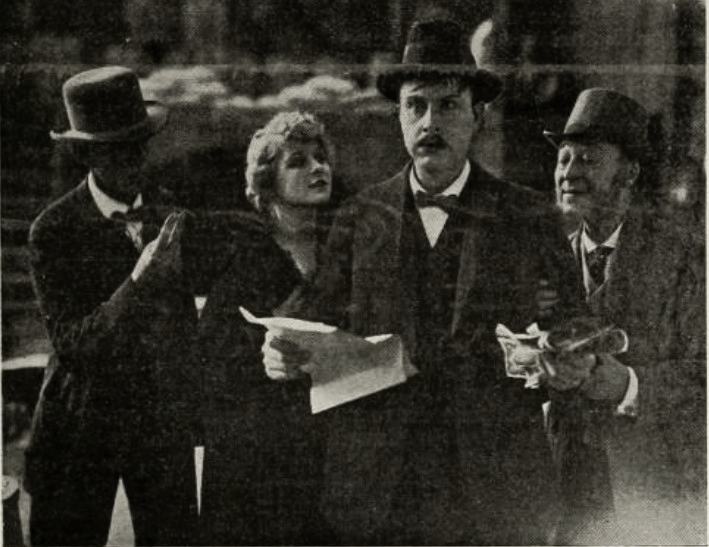
Step right up, ladies and gentlemen, to the grand, if often overlooked, stage of early 20th-century cinema. Today, we're casting our discerning gaze upon a fascinating relic, a silent film from 1917, The Broadway Sport. This isn't just another flickering fable; it's a profound, albeit subtly rendered, exploration of identity, ambition, and the intoxicating allure of a life unlived. In an era often characterized by overt melodrama and clear-cut morality, The Broadway Sport dares to tread a more ambiguous path, presenting a protagonist whose transformation isn't born of heroic virtue, but rather a spontaneous, almost accidental, dive into moral gray areas. It's a film that, despite its age, resonates with a timeless question: what would you do if a sudden, illicit windfall offered you the life you've only ever dreamed of?
The narrative unfurls in a quaint, unassuming small town, a stark contrast to the dazzling metropolis that beckons our hero. Here, we meet Hezekiah Dill, portrayed with a remarkable blend of timidity and nascent yearning by Dan Mason. Hezekiah is the archetypal meek clerk, a man seemingly destined for a life of quiet anonymity, his days marked by ledger entries and the polite deference expected of his station. His existence is a muted affair, devoid of the vibrant hues he secretly craves. Mason’s performance, relying entirely on physical expression and subtle gestures, paints a vivid picture of a man trapped between his reality and his aspirations. You can almost feel the weight of his unfulfilled dreams pressing down on him, a silent yearning for something more, something grander, something… Broadway.
The catalyst for Hezekiah’s dramatic metamorphosis arrives in the form of two shadowy figures, a pair of criminals intent on pilfering the store's safe. This scene, while a common trope in early cinema, is handled with a particular nuance here. Instead of succumbing to fear or immediately summoning help, Hezekiah, in a moment of sheer, unthinking impulse, manages to lock the perpetrators within their intended target. It's an act of accidental heroism, perhaps, but what follows is anything but. As the dust settles, and the threat is contained, Hezekiah finds himself alone with the robbers' intended loot – a considerable sum of money. This is the pivotal juncture, the moment where the film truly begins to hum with psychological tension. The money isn't merely currency; it's a tangible manifestation of his deepest, most audacious fantasy.
The internal struggle, though conveyed without dialogue, is palpable. Should he alert the authorities? Should he return the money to its rightful owner? Or should he seize this unparalleled, albeit morally dubious, opportunity? The film deftly portrays the allure of the forbidden, the intoxicating whisper of 'what if.' Hezekiah's decision to embrace the stolen funds and embark on his quest to become the 'Broadway Sport' is not presented as a malevolent act, but rather as a desperate lunge for a life he feels he deserves, a life that has, until this point, been cruelly denied him. It’s a compelling character study, one that asks us to consider the fine line between ambition and avarice, aspiration and transgression.
The concept of the 'Broadway Sport' itself is a fascinating cultural artifact of the era. It speaks to a certain urban sophistication, a dashing, well-heeled persona associated with the theatrical district, glamorous nightlife, and a life of leisure and luxury. For a meek small-town clerk, this identity represents the ultimate escape, a complete shedding of his former self. The film then chronicles Hezekiah’s journey to this new persona, detailing his attempts to assimilate into this vibrant, bustling world. This transition is where the film finds much of its charm and its subtle humor, as Hezekiah navigates the unfamiliar social codes and expectations of his chosen identity.
Dan Mason, as Hezekiah, expertly conveys the awkwardness and the burgeoning confidence of a man trying on a new self. His posture changes, his gaze becomes more direct, and his gestures grow bolder. Yet, beneath the veneer of the 'Sport,' there's a constant flicker of his former self, a hint of the unease that comes with living a lie. This internal conflict is the engine of the film's dramatic tension. Will his past catch up to him? Can he truly escape the consequences of his actions? The narrative skillfully weaves in moments of near-discovery and close calls, keeping the audience on edge, wondering when and how Hezekiah's carefully constructed façade will inevitably crumble.
While Dan Mason carries the bulk of the film's emotional weight, the supporting cast, including Jay Wilson, Mario Majeroni, William B. Green, Mabel Rutter, J. Sullivan, Wanda Hawley, and Stuart Holmes, contributes significantly to the vibrant tapestry of the narrative. Though their roles might be less central, each actor adds a distinct flavor to the bustling world Hezekiah enters. Their reactions, their silent cues, and their interactions with Hezekiah help to ground his fantastical journey in a believable reality. For instance, the reactions of the metropolitan characters to Hezekiah's newly acquired swagger, whether they are charmed, suspicious, or indifferent, provide crucial context for his transformation.
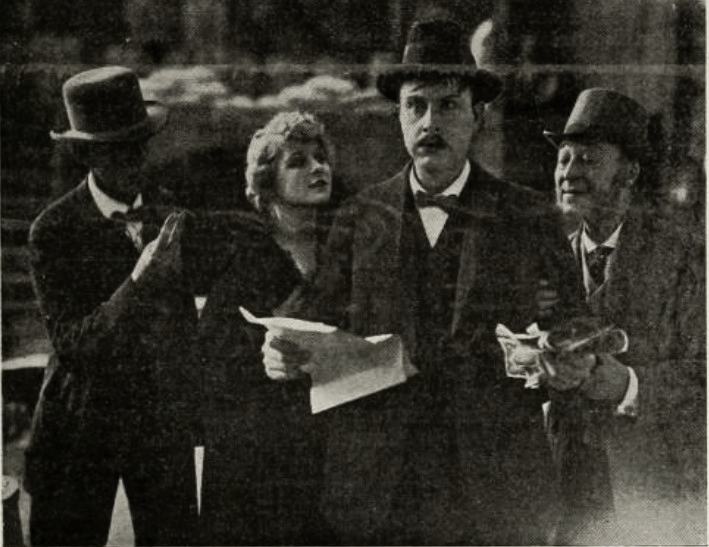
Carl Harbaugh, credited as the writer, crafts a surprisingly intricate plot for a silent film of this period. The narrative avoids simplistic good-versus-evil dichotomies, instead opting for a more nuanced exploration of human desires and their repercussions. The pacing is deliberate, allowing the audience to fully absorb Hezekiah's internal struggles and external adventures. The direction, while perhaps not as overtly flamboyant as some of its contemporaries, is effective in conveying the story's emotional beats and key plot points. The use of intertitles is judicious, providing just enough information without overwhelming the visual storytelling.
Comparing The Broadway Sport to other films of its era reveals its unique strengths. While a film like The Long Arm of the Law might focus on the relentless pursuit of justice, The Broadway Sport is more interested in the psychological journey of a man who attempts to outrun it. Similarly, where A Bird of Prey might sensationalize criminal activity, this film humanizes the motivations behind an illicit act. It’s less about the crime itself and more about the identity crisis it precipitates. The film also shares thematic echoes with films exploring rapid social ascent or transformation, though it distinguishes itself by grounding this ascent in a morally ambiguous foundation. It avoids the overt slapstick of some comedies and the pure melodrama of others, instead carving out a space for a character-driven narrative.
At its core, The Broadway Sport is a powerful meditation on identity. Can a man truly reinvent himself, shedding his past like an old skin? Or are we forever tethered to our origins and our choices? Hezekiah’s journey forces the audience to confront these questions. His ambition is undeniable, a potent force driving him forward, but it’s an ambition born of a transgression. This creates a fascinating tension, as we find ourselves rooting for his success, even as we acknowledge the ethical compromise at its heart. The film subtly critiques the superficiality of social status, suggesting that while one can adopt the trappings of wealth and sophistication, true contentment and security remain elusive without a foundation of integrity.
The film also touches upon the allure of the urban landscape, a common theme in early 20th-century American culture. For many, cities like New York represented freedom, opportunity, and an escape from the provincial constraints of small-town life. Hezekiah’s embrace of the 'Broadway Sport' persona is, in many ways, an embrace of this urban mythos. He seeks not just money, but the anonymity and reinvention that the bustling city promises. However, the film also hints at the potential pitfalls of this allure – the loss of innocence, the constant threat of exposure, and the moral compromises required to sustain a fabricated existence.
While perhaps not as widely celebrated as some of its more famous silent contemporaries, The Broadway Sport holds a significant place for its thoughtful portrayal of a morally complex character. It’s a testament to the power of silent cinema to convey intricate psychological narratives without the aid of spoken dialogue. The film’s ability to engage the audience in Hezekiah’s internal struggle, to make us ponder his choices and their implications, is a remarkable achievement. It reminds us that early filmmakers were not merely experimenting with a new medium, but were also crafting sophisticated stories that delved into the human condition with surprising depth.
The film serves as an excellent example of the transitional period in cinema, where storytelling was evolving beyond simple vignettes into more elaborate, character-driven plots. It showcases the talents of actors like Dan Mason, whose command of physical acting allowed for nuanced portrayals. For modern audiences, watching The Broadway Sport offers a unique window into the social anxieties and aspirational dreams of a bygone era. It’s a reminder that the pursuit of identity, the intoxicating pull of ambition, and the inescapable weight of consequence are timeless themes that transcend the technological limitations of any cinematic period.
In conclusion, The Broadway Sport is more than just a historical curiosity; it’s a compelling cinematic journey. It invites us to consider the choices we make when faced with temptation, the personas we construct, and the ultimate price of our desires. It's a film that, through its silent eloquence, speaks volumes about the human heart, its frailties, and its boundless capacity for reinvention – for better or for worse. It’s a quiet triumph, a film that deserves a rediscovery, proving that sometimes, the most profound stories are told not with a roar, but with a knowing, silent glance.
IMDb 6.2
1921
Community
Log in to comment.