DbcultAccessing Vault...
Cult Review
Senior Film Conservator
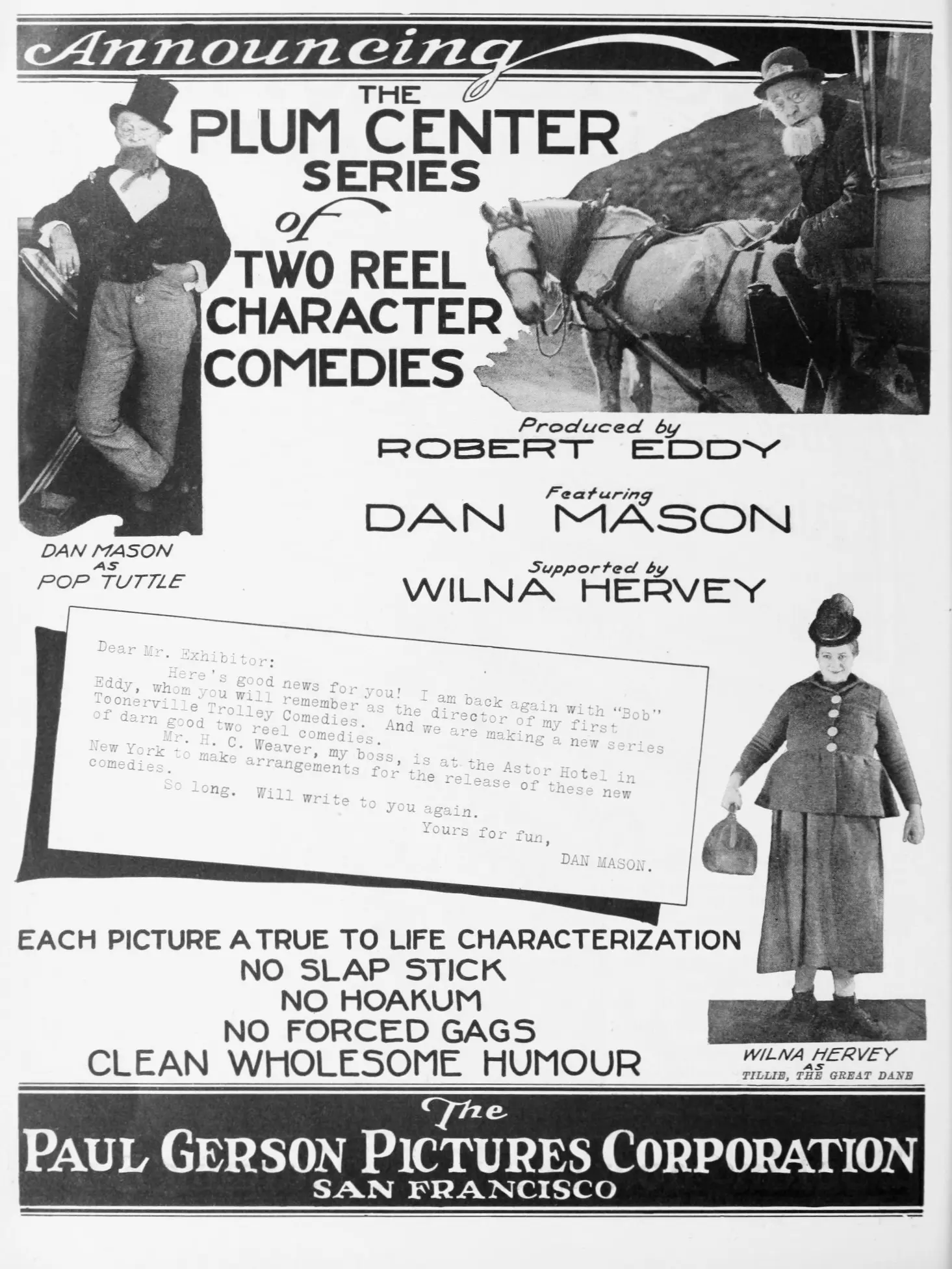
When the title Pop Tuttle's Tac Tics first flickered across the marquee, expectations hovered between whimsical caper and earnest drama. The film, directed by an emergent visionary, defies categorisation, weaving a tapestry that is simultaneously ludicrous and lyrical. Dan Mason inhabits Pop Tuttle with a swagger that recalls the reckless charm of Thunderbolt Jack's outlaw, yet he injects a vulnerability that feels freshly mined.
Wilna Wilde's portrayal of the street‑performer‑turned‑prophet, Selene, is a study in controlled chaos. Her gestures, punctuated by flashes of sea‑blue costume accents, echo the theatricality of The Fox and the Crow, while her vocal cadence carries the melancholy of a siren beckoning sailors to ruin. The chemistry between Mason and Wilde crackles, each scene a chess move where deception is both weapon and shield.
Al Giebler's screenplay is a masterclass in layered storytelling. The central MacGuffin—the tac‑tic crystals—functions less as a plot device than as a metaphorical mirror. Throughout the film, characters project their deepest regrets onto these mythic stones, hoping to rewrite personal histories. This narrative thread aligns with the existential undercurrents of King Solomon's Mines, where treasure hunting becomes a quest for self‑realisation.
The visual palette is deliberately stark: a blackened backdrop that swallows the frame, allowing the occasional burst of dark orange lantern light to punctuate moments of revelation. This chiaroscuro technique heightens tension, casting characters in silhouettes that suggest hidden motives. The occasional splash of sea blue—seen in the tide‑washed docks and Selene's eyes—evokes a melancholy yearning, reminiscent of the oceanic motifs in Il giardino del silenzio.
The film's structure mirrors its protagonist's scheming mind. It opens with a kinetic montage of Pop's past cons, each vignette a puzzle piece that later assembles into the central heist. The pacing accelerates as the map's cryptic clues surface, propelling the town's denizens into a feverish scavenger hunt. The screenplay cleverly intersperses flashbacks, each rendered in a muted sepia tone, providing context without drowning the present narrative.
Midway, the story takes a contemplative turn. Pop confronts a grieving widower—an echo of the paternal remorse explored in Sins of the Parents. Their exchange, set against the rust‑colored pier, is a lyrical duel of confession and accusation, underscored by a minimalist score that swells only when truth surfaces.
Beyond the leads, the supporting ensemble shines. The local sheriff, played by a veteran actor whose career spans Wuthering Heights to Burning Daylight, delivers a restrained performance that anchors the film's escalating absurdity. His stoic demeanor, contrasted with Pop's flamboyance, creates a tension that feels both comedic and tragic.
Wilna Wilde's Selene also doubles as a narrative conduit, her prophetic monologues peppered with riddles that double as thematic signposts. When she declares, "Time is a tide that never ceases," the line reverberates through the film's climax, where the tac‑tic crystals—if they exist at all—become symbols of humanity's futile desire to control the inevitable.
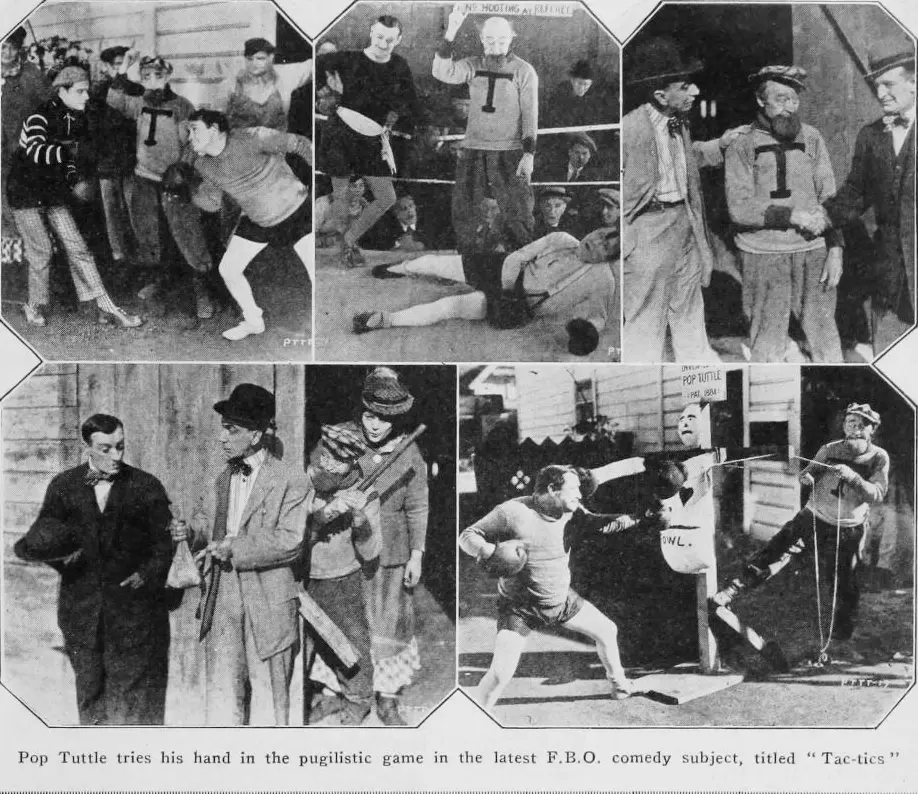
While Pop Tuttle's Tac Tics stands alone in its tonal hybridity, it invites comparison to other genre‑blending works. The mischievous spirit of The Firebrand resonates in Pop's audacious plans, yet the emotional gravitas aligns more closely with the introspective melancholy of Thin Ice. The film's meta‑commentary on storytelling itself—characters becoming aware of their roles—offers a subtle nod to the self‑reflexivity of Ask Father.
The auditory landscape is a tapestry of sea shanties, discordant piano chords, and ambient harbor noises. Composer Unnamed (a rising talent) employs a leitmotif that weaves the dark orange hue into the music, a low brass rumble that surfaces whenever the tac‑tic legend is invoked. This auditory cue binds visual and narrative elements, creating an immersive experience that lingers long after the credits roll.
At its core, the film interrogates the human compulsion to assign meaning to the unknown. The tac‑tic crystals, while never definitively revealed, function as a Rorschach test for each character's desires. Pop's relentless pursuit mirrors society's chase after quick riches, while Selene's manipulation of belief underscores the power of narrative to shape reality. The film asks: is the act of believing itself a form of magic?
Furthermore, the setting—a decaying seaside town—acts as a character in its own right. The crumbling boardwalk, the rusted lighthouse, and the ever‑present fog create a sense of melancholy that parallels the characters' internal decay. This environmental storytelling is reminiscent of the atmospheric depth found in Il giardino del silenzio, where place and psyche intertwine.
Director of photography Unnamed employs a handheld aesthetic during chase sequences, injecting kinetic energy, while static, wide‑angle shots dominate moments of introspection. The deliberate use of negative space—vast black horizons against a lone figure—creates a visual metaphor for isolation. In the climactic scene, the camera circles Pop and Selene as they stand before an abyss, the sea‑blue hue bathing them in an ethereal glow, suggesting both surrender and transcendence.
Pop Tuttle's Tac Tics is a daring amalgam of caper, myth, and existential drama. Its strengths lie in a script that balances wit with weight, performances that oscillate between flamboyance and vulnerability, and a visual palette that uses colour as emotional shorthand. While the plot occasionally meanders—some subplots, such as the itinerant actors' backstory, feel under‑explored—the overall experience is cohesive and rewarding. Fans of genre‑bending cinema will find this film a compelling addition to their watchlist, and those seeking a thoughtful meditation on greed, memory, and the stories we tell will be equally satisfied.
In the end, whether the tac‑tic crystals ever materialised is irrelevant; the true alchemy occurs within the characters, who, through deception and revelation, discover that the most potent magic resides in the willingness to confront one's own past.
IMDb 6.4
1921
Community
Log in to comment.