DbcultAccessing Vault...
Cult Review
Senior Film Conservator
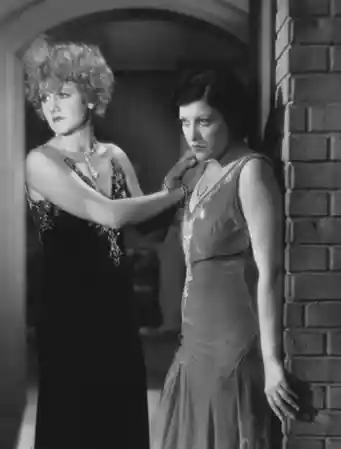
Okay, so Der Tanz geht weiter isn't for everyone. If you’re hunting for a slick, fast-paced thriller, you’ll probably find this a bit of a slow burn. But if you’re into the quirks of early sound films, or just curious about how Hollywood handled its international versions back in 1930, then yeah, give it a shot. It's a window into a very specific moment in movie history, flaws and all.
This film is the German-language version of an American flick called Those Who Dance. They shot it in Hollywood, but with a whole German cast. It’s all about this family tangled up in the bootlegging scene during Prohibition.
The sound mixing is… something else. You can really hear how tricky early talkies were. Sometimes voices are crystal clear, then suddenly they sound like they’re coming from a really big bucket at the end of a long, long hall.
Anton Pointner plays the detective, and he's got this super intense stare. It doesn't always quite match what he's saying. Like he's really trying to be profound, but the lines are just sort of… standard police talk.
Carla Bartheel, she’s the sister, and her character is supposed to be torn between family and doing right. There’s a scene where she just stands by a window, and the camera just *lingers*. For a long, long time. You keep waiting for her to do something big, but she just… looks out.
William Dieterle is in this one, before he became a famous director. He has this nervous energy, always fidgeting a bit. It makes his character feel a tiny bit more grounded than some of the others, even with the very theatrical acting style of the era.
The whole bootlegging world feels surprisingly polite, almost quaint. No one really gets hurt too bad. It’s more about the *idea* of danger, not so much the actual rough stuff.
There's this moment when a door slams, and the sound effect is just unbelievably loud. It practically makes you jump. Like they just discovered how to record a good door slam and decided to lean into it.
The sets are pretty basic. You can tell everything is shot indoors, on a studio lot. The "street" scenes, they look very much like painted backdrops. Not much depth there.
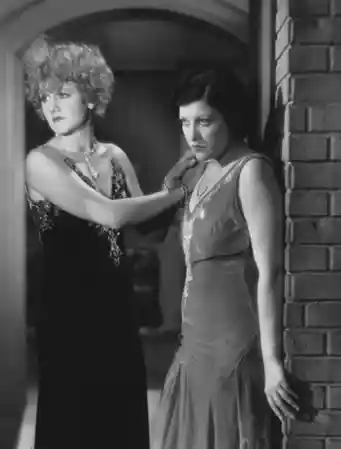
I kept wondering if the German dialogue sounded as a bit stiff back then as it did to me. Or if that was just how folks talked in movies. It’s very formal, even for characters who are supposed to be a bit rough.
The pacing is… deliberate. Scenes often play out in long, unbroken takes. It feels like they were careful not to cut too much, probably because of the technical challenges of keeping sound and picture in sync.
Lissy Arna, she’s the gangster's girlfriend, or moll, as they’d say. She just has this amazing look about her. She gives off this desperate, glamorous vibe. You just want to know her whole story.
One shot has a character pacing in front of a fireplace. The camera follows him for a good while. You start noticing the slight creak of the floorboards as he walks. A small detail, but it stood out.
The moral lessons in the film, they feel a bit heavy-handed. The movie *really* wants you to know that crime is bad. We get it, movie.
John Reinhardt, the lead, he plays the brother trying to keep his family safe. He’s almost always frowning. Like, always. Even when things are looking up for a second, that furrow is still there on his brow. 😟
The title itself, Der Tanz geht weiter (The Dance Goes On), is interesting. It suggests this endless cycle, which fits the crime world. But the film itself feels less like an energetic dance and more like a very slow, careful waltz. A bit out of step.
I noticed a few times the actors seemed to be waiting for their cue, just a beat too long. It gives the whole thing this slightly unpolished, very human feel. You feel like you're watching a live play sometimes.
The ending is pretty quick. It wraps things up, but without a big emotional hit. More like, “Okay, that’s that then.”
IMDb —
1925
Community
Log in to comment.