DbcultAccessing Vault...
Cult Review
Senior Film Conservator
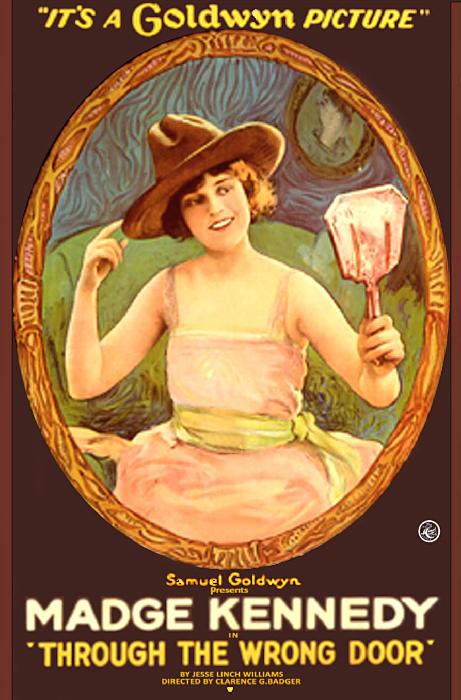
In the annals of early cinema, certain narratives emerge with a timeless resonance, proving that the human heart's complexities and the capricious hand of fate are themes as compelling then as they are today. Such is the case with the 1917 production, 'Through the Wrong Door'. This film, crafted by the narrative sensibilities of Rex Taylor and Jesse Lynch Williams, is far more than a simple romantic drama; it's a delicate tapestry woven with threads of chance, burgeoning attraction, and the shadowy specter of long-held grievances. It’s a testament to the power of silent storytelling, where every gesture, every flicker of an eye, and every dramatic tableau is amplified to convey a universe of emotion.
The film's inciting incident is a masterclass in elegant simplicity: a raging storm, a young woman seeking refuge, and a fateful misdirection. Our protagonist, portrayed with captivating innocence by Beulah Peyton, finds herself not at her friends' welcoming abode, but at an unfamiliar threshold. The air crackles with an almost palpable tension as the door opens to reveal Herbert Standing, radiating a potent blend of charm and an underlying intensity. The immediate, undeniable spark between them is a narrative engine, propelling the story forward with an almost magnetic force. It's a classic setup that harks back to countless romantic narratives, yet here, it’s imbued with an additional layer of dramatic irony that elevates it beyond mere coincidence. This initial encounter, drenched in the melodrama of a tempestuous night, sets a tone of heightened emotion and impending revelation.
The brilliance of the screenplay lies in its swift establishment of this magnetic connection, only to immediately undercut it with a chilling secret. Standing's character, seemingly the epitome of a dashing rescuer, harbors a profound and deeply personal motive: a desire for vengeance against Peyton's father, whom he holds responsible for a significant financial loss. This revelation transforms the burgeoning romance from a sweet, serendipitous encounter into a precarious tightrope walk, fraught with peril and ethical quandaries. The audience is immediately privy to this hidden agenda, making every tender glance, every shared moment of intimacy, a double-edged sword. It’s a narrative device that keeps viewers on the edge of their seats, anticipating the inevitable collision of affection and retribution.
The performances in 'Through the Wrong Door' are, as one might expect from the silent era, characterized by expressive physicality and nuanced facial emoting. Beulah Peyton, as the unsuspecting ingenue, delivers a portrayal rich in vulnerability and nascent passion. Her transformation from a bewildered stranger to a woman deeply in love is conveyed with a delicate grace that draws the audience into her emotional journey. Her innocence is a crucial counterpoint to the darker intentions swirling around her, making her eventual discovery of the truth all the more poignant. Similarly, Herbert Standing, as the conflicted avenger, is a study in controlled intensity. He manages to project both an undeniable allure and the brooding weight of his vengeful mission, creating a character that is both sympathetic and menacing. The internal struggle between his growing affection for Peyton’s character and his sworn duty to his vendetta forms the emotional core of his performance.
The supporting ensemble, including J.B. Manly, Madge Kennedy, Bob Kortman, John Bowers, Kate Lester, and Betty Schade, each contribute to the rich tapestry of the narrative. While their roles might be secondary, their presence fleshes out the world, providing context and additional layers to the central conflict. J.B. Manly, likely portraying Peyton's father, would have been tasked with embodying the very catalyst for the film's dramatic tension, his actions, however innocent or nefarious, driving the entire plot. Madge Kennedy and John Bowers, often celebrated for their comedic timing or dramatic prowess in other features like Oh, You Women!, here likely lend their gravitas to the unfolding drama, perhaps as concerned friends or family members. Their collective efforts ensure that the emotional stakes remain consistently high, a hallmark of effective silent film acting.
Rex Taylor and Jesse Lynch Williams's script for 'Through the Wrong Door' is particularly adept at exploring the intricate dance between love and revenge. This isn't a simplistic tale of good versus evil; instead, it delves into the morally gray areas where personal injury can fester into a consuming need for retribution. The film asks profound questions about the nature of justice, the corrosive power of hatred, and whether genuine affection can truly blossom amidst such treacherous ground. The dramatic irony, where the audience is privy to the young man's true intentions while the woman remains blissfully unaware, is expertly utilized to build suspense and elicit empathy for both characters. We witness their growing connection with a sense of dread, knowing that the foundation of their romance is built on a dangerous deception.
The very title, 'Through the Wrong Door', serves as a powerful metaphor for the entire narrative. It speaks not only to the physical misstep but also to the metaphorical doors that open and close in life – doors of opportunity, doors of danger, and doors to the human heart. The initial 'wrong door' leads to a 'right' connection in terms of immediate attraction, yet it simultaneously ushers in a world of moral ambiguity and potential heartbreak. This duality is central to the film's enduring appeal, challenging viewers to consider how fate, choice, and hidden agendas intertwine to shape human destiny. The film's exploration of mistaken identity and its far-reaching consequences can be seen in conversation with other films of the era that played on similar themes, such as the intricate deceptions found in Blindfolded or the emotional turmoil of a fated encounter in Tess of the D'Urbervilles, though with a distinct focus on romantic peril.
As a product of the silent era, 'Through the Wrong Door' relies heavily on visual storytelling. The direction, while perhaps uncredited in the same prominent way as later eras, would have been meticulous in its composition and staging. The use of close-ups to convey emotion, wide shots to establish setting, and carefully choreographed movements would have been paramount. The storm itself, a classic cinematic device, serves not just as a plot catalyst but also as a visual representation of the emotional turbulence that quickly engulfs the characters. The pacing, crucial for maintaining audience engagement without dialogue, would have alternated between moments of quiet intimacy and heightened dramatic tension, ensuring a compelling rhythm to the narrative. The intertitles, sparse but impactful, would have provided necessary exposition, guiding the audience through the more complex plot points without disrupting the visual flow.
The film's visual style likely employed the prevailing techniques of its time, utilizing dramatic lighting to emphasize key moments and character expressions. The contrast between light and shadow could have been used to symbolize the moral ambiguities faced by the male lead, his outward charm often juxtaposed with the darkness of his intentions. The settings, from the cozy interior of the mistaken house to potentially grander, more public spaces, would have helped to establish the social milieu of the characters. This attention to visual detail is what allowed silent films to transcend the absence of spoken words, transforming them into powerful, universally understood narratives. One might draw parallels to the stark visual narratives of films like The Terror or The Outcast, where atmosphere and character expression carry the weight of the story.
While perhaps not as widely known as some of its contemporaries, 'Through the Wrong Door' occupies an important niche in the history of early American cinema. It exemplifies the era's fascination with intricate plots, moral dilemmas, and the enduring power of romance, even when threatened by external forces. It’s a film that speaks to the universal human experience of attraction, betrayal, and the often-unforeseen consequences of our actions. The exploration of revenge, a theme that has permeated cinema from its earliest days, is handled with a particular nuance here, as it directly conflicts with the emergence of genuine affection. This internal struggle within the male protagonist adds depth that transcends a simple villain-hero dichotomy.
Comparing it to other films of its period, one can see shared thematic DNA. The romantic entanglements and societal pressures found in The Siren or the dramatic intensity of personal vendettas in films like Fallen Angel (if the plot aligns with a similar revenge motif) highlight how 'Through the Wrong Door' fits into a broader cinematic conversation. Even films with seemingly disparate plots, such as the adventurous spirit of The Railroader or the more dramatic social commentary of The Defeat of the City, all contribute to the rich tapestry of early filmmaking, each attempting to capture and reflect the human condition through their unique lenses. The artistry of silent film, particularly in its ability to evoke profound emotions without spoken dialogue, is beautifully showcased in this production, reminding us of the foundational techniques that continue to influence storytelling today.
Ultimately, 'Through the Wrong Door' stands as a compelling example of early cinematic prowess. It marries a deceptively simple premise with a complex emotional core, delivering a story that is both engaging and thought-provoking. The performances by Beulah Peyton and Herbert Standing anchor the narrative, providing the emotional depth required to make the high stakes feel profoundly real. Rex Taylor and Jesse Lynch Williams crafted a narrative that, despite its age, continues to resonate, exploring themes of love, deception, and the often-perilous path of revenge. It serves as a potent reminder that the power of storytelling lies not just in what is said, but in what is felt, what is implied, and what lingers long after the final frame.
For enthusiasts of silent cinema, or anyone interested in the evolution of romantic thrillers, this film offers a fascinating glimpse into a bygone era of filmmaking. It demonstrates that even without the benefit of synchronized sound, filmmakers were capable of constructing intricate emotional landscapes and delivering truly gripping narratives. The 'wrong door' may have been a physical misstep, but it led to a cinematic journey that is undeniably captivating, proving that some stories are universal, timeless, and capable of transcending the technological limitations of their creation. The film’s enduring charm lies in its ability to present a potent cocktail of human emotions – desire, anger, regret, and hope – all swirling around a central misunderstanding that threatens to unravel everything. It's a poignant testament to the fact that sometimes, the most unexpected detours lead to the most profound discoveries, even if those discoveries come at a heavy cost.
IMDb —
1933
Community
Log in to comment.