DbcultAccessing Vault...
6.8/10
Senior Film Conservator
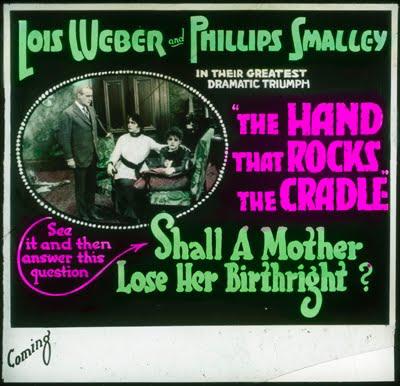
A definitive 6.8/10 rating for a film that redefined the boundaries of cult cinema. The Hand That Rocks the Cradle remains a cornerstone of transgressive art.
In the annals of early cinema, few voices resonate with the audacious clarity and social prescience of Lois Weber. A true auteur long before the term became fashionable, Weber didn't just direct films; she sculpted moral arguments, challenged societal norms, and illuminated the shadowed corners of human experience. Her 1917 masterpiece, The Hand That Rocks the Cradle, stands as a towering testament to her unflinching courage and visionary artistry. It is not merely a film; it is a declaration, a cinematic broadside against the hypocrisies of its era, particularly concerning women's reproductive autonomy and the stark class divides that dictated access to vital knowledge. To truly appreciate this work, one must understand the socio-political crucible from which it emerged – a world grappling with nascent feminist movements, burgeoning public health debates, and the rigid moral codes that sought to stifle both.
The premise of The Hand That Rocks the Cradle, though deceptively simple in its synopsis, unfurls into a complex tapestry of ethical dilemmas and human suffering. At its heart is a woman, portrayed with compelling conviction by Weber herself, who dares to establish a birth control information bureau. This wasn't merely a quaint office; it was a sanctuary of enlightenment, a radical outpost in an age where discussing contraception was often deemed obscene, illegal, and morally reprehensible. Weber, alongside her writing partner Phillips Smalley, understood that knowledge, particularly reproductive knowledge, was not a luxury but a fundamental human right. The film deftly illustrates the stark dichotomy of its time: the affluent, with their private doctors and hushed conversations, easily accessed methods of family planning, ensuring their comfort and control. Yet, for the impoverished, for the working classes burdened by incessant childbearing and dwindling resources, this essential information remained cruelly out of reach, perpetuating cycles of poverty and despair. This glaring inequality forms the moral backbone of the narrative, a critique as sharp and relevant today as it was over a century ago.
The protagonist's act of defiance, her commitment to disseminating this forbidden knowledge, inevitably draws the ire of the authorities. The ensuing police intervention and her subsequent arrest are portrayed not as a defeat but as a galvanizing moment. It is here that Weber truly shines, transforming a personal struggle into a public battle for justice. The film doesn't shy away from the personal toll, but it elevates the protagonist's resolve, showcasing her unyielding spirit. What follows is a remarkable journey of persuasion, as she, through sheer force of logic, empathy, and moral rectitude, manages to convert her initially skeptical physician husband (likely portrayed by Phillips Smalley, given his frequent collaborations and acting roles in Weber's films) to her cause. More astonishingly, she extends this influence to a judge, compelling the legal system itself to acknowledge the profound societal benefits and humanitarian imperative behind her actions. This narrative arc is less about legal victory and more about the triumph of enlightened conscience over entrenched dogma, a powerful assertion of individual agency in the face of systemic oppression.
Lois Weber's directorial approach in The Hand That Rocks the Cradle is characterized by a remarkable blend of dramatic realism and didactic purpose. She utilized cinema not merely as entertainment but as a potent tool for social education and reform. Her camera doesn't merely observe; it scrutinizes, it empathizes, it persuades. She understood the power of visual storytelling to convey complex moral arguments, often employing subtle symbolism and nuanced characterizations to drive home her points. The performances, featuring a cast that included Hüseyin Kemal Gürmen, Wedgwood Nowell, Josephine Myers, Burwell Hamrick, Priscilla Dean, Harry De More, Refik Kemal Arduman, Ibrahim Delideniz, Evelyn Selbie, Hakki Necip, Vedat Örfi Bengü, Hazim Körmüçkü, and Phillips Smalley, under Weber's meticulous direction, transcend the often melodramatic conventions of the silent era. They embody genuine human struggles, fears, and convictions, making the film's social message resonate on a deeply personal level.
Weber's filmography is replete with works that tackled controversial subjects head-on. Unlike many of her contemporaries, who might have approached social issues with a degree of circumspection, Weber plunged directly into the heart of the matter. While films like The Daughters of Men (1914) or The Walls of Jericho (1914) might have explored social class and moral dilemmas, they rarely, if ever, broached a topic as incendiary as birth control. Weber's willingness to engage with such taboos set her apart, establishing her as a fearless pioneer. Her narrative choices often highlighted the disproportionate impact of societal constraints on women, a theme that echoes in other progressive silent films, such as the Italian classic Assunta Spina (1915), which also featured a strong female lead grappling with harsh social realities, albeit through a different lens of passion and fate.
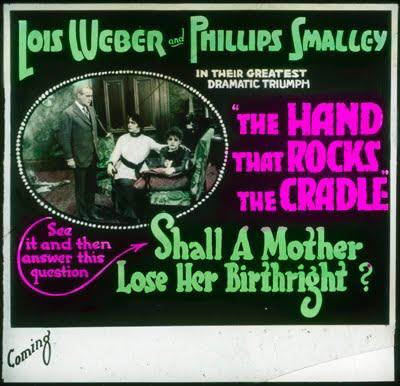
To fully grasp the magnitude of The Hand That Rocks the Cradle, one must place it within its historical milieu. The early 20th century was a period of immense social upheaval. The women's suffrage movement was gaining momentum, culminating in the 19th Amendment just three years after this film's release. Simultaneously, the birth control movement, spearheaded by figures like Margaret Sanger, was fighting for recognition and legality against the formidable Comstock Act, which criminalized the dissemination of information about contraception. Weber's film directly engaged with these ongoing battles, providing a powerful cinematic argument for reproductive freedom and women's agency over their bodies and futures.
The very title, a play on the famous adage, is imbued with ironic subversion. The hand that rocks the cradle is traditionally seen as nurturing, shaping the future through motherhood. Weber reclaims this image, suggesting that true maternal power, and indeed societal progress, lies not in blind proliferation but in informed choice, in the ability to decide when and whether to bring life into the world. This was a radical proposition, challenging centuries of patriarchal control over female bodies and lives. The film's bravery in tackling such a contentious issue undoubtedly invited controversy and censorship, a common fate for socially conscious films of the era. One can imagine the moral outrage it stirred in certain quarters, much like the debates surrounding public health and morality in films such as Mysteries of London (1914), though Weber's focus was far more specific and provocative.
The performances in The Hand That Rocks the Cradle are central to its persuasive power. Lois Weber, a formidable actress in her own right, imbues her character with an unwavering conviction that feels deeply authentic. Her portrayal is not one of a firebrand revolutionary, but of a compassionate woman driven by an acute understanding of human suffering. This nuanced approach allows the audience to connect with her cause on an emotional level, rather than perceiving it as mere political rhetoric. The evolution of her husband's character, from initial disapproval to staunch support, is equally crucial. It mirrors the societal shift Weber hoped to inspire, demonstrating that even deeply ingrained prejudices can be overcome through rational discourse and empathetic understanding. This transformation is key to the film's optimistic, albeit hard-won, resolution.
Weber's narrative style is direct yet sophisticated. She avoids heavy-handed moralizing, instead allowing the tragic consequences of ignorance and poverty to speak for themselves. Her use of parallel editing, juxtaposing the lives of the rich and poor, is particularly effective in highlighting the film's central critique of class-based reproductive injustice. While other films of the period, like The Bludgeon (1915) or The White Scar (1915), might have depicted social ills, Weber went further, actively proposing a solution, however controversial. Her films were not just reflections of society; they were arguments for its betterment. This proactive stance distinguishes her from many of her peers and solidifies her reputation as a filmmaker with a profound social conscience.
The impact of The Hand That Rocks the Cradle extends far beyond its initial release. It is a foundational text in the history of feminist cinema, a powerful example of how film can be leveraged to advocate for social change. Weber's willingness to tackle such a sensitive and politicized topic with intelligence and empathy paved the way for future filmmakers to explore similar themes. Her work reminds us that the battles for bodily autonomy and equitable access to healthcare are not new; they are ongoing struggles with deep historical roots. The film's message about the right to knowledge and the injustice of its restriction remains remarkably pertinent in contemporary debates surrounding reproductive rights globally.
Lois Weber, often overlooked in mainstream film history, deserves to be celebrated not just as a pioneering female director, but as a cinematic giant whose vision transcended the technical limitations of her era. Her ability to craft compelling narratives that simultaneously entertained and educated, challenged and enlightened, is unparalleled. The Hand That Rocks the Cradle is more than a historical artifact; it is a vibrant, urgent call for justice, a testament to the enduring power of a single voice raised against the cacophony of oppression. Its legacy is a reminder that the most profound cinema often dares to speak truth to power, even when that truth is uncomfortable, even when it challenges the very foundations of society. This film, truly, is a beacon of progressive thought, illuminating the path for future generations of artists and activists alike. It serves as a stark reminder of how far we've come, and perhaps, more importantly, how far we still have to go in achieving true reproductive equity and social justice for all. Much like the moral quandaries explored in Should a Woman Tell? (1919) or the character development in The Birth of Character (1918), Weber's film delves into the complexities of human choice and societal expectation, but with an unparalleled directness concerning women's health and rights. Her filmography stands as a testament to cinema's potential as a force for enlightenment and reform, not merely passive observation.

IMDb 6.5
1927
Community
Log in to comment.