DbcultAccessing Vault...
Cult Review
Senior Film Conservator
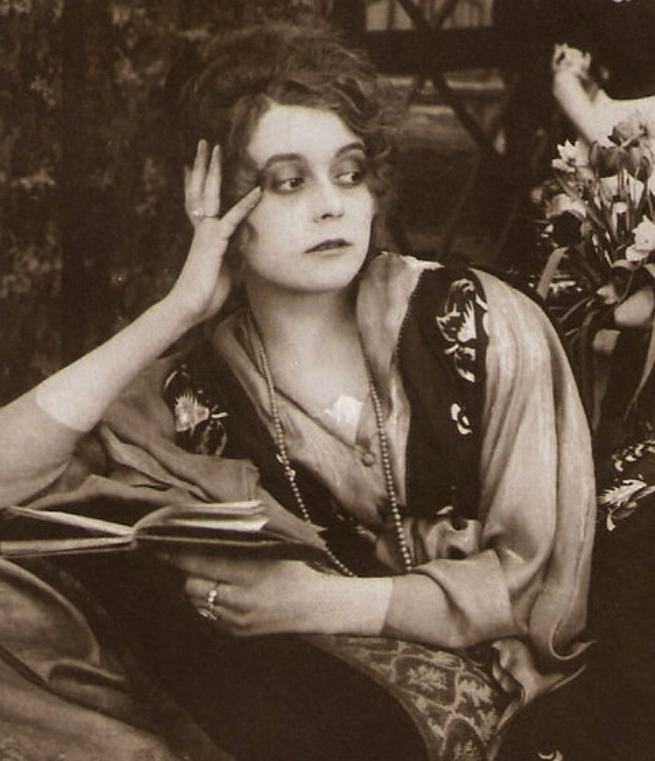
In the annals of German silent cinema, Carl Froelich's 1920 drama, Der Tänzer, often presents itself as a fascinating, albeit sometimes overlooked, artefact. It’s a film that speaks volumes about the burgeoning artistic freedom and psychological depth that characterized the Weimar Republic's early cinematic output. At its core, this narrative is an intimate study of Andreas Rellnow, portrayed with captivating intensity by Walter Janssen, a figure whose artistic genius is both his salvation and his potential undoing. The very title, 'The Dancer,' is a poetic misnomer, or perhaps a profound metaphor, for Andreas is a violinist, not a dancer. Yet, his life, much like a complex choreographic piece, is a series of movements, turns, and intricate steps, often performed on the precipice of emotional chaos.
The film opens by immersing us in the suffocating environment that Andreas desperately seeks to escape. His home life is painted with broad strokes of discord, a canvas of constant parental strife that threatens to stifle any burgeoning artistic sensibility. This initial setup is crucial; it provides the psychological bedrock for Andreas's subsequent actions and defines his relentless pursuit of a different kind of existence. The troubled parents, though not extensively detailed, serve as a potent catalyst, a primal wound from which Andreas's ambition springs forth with an almost desperate urgency. It’s a classic narrative trope, certainly, but one that resonates deeply within the context of characters striving for self-actualization against oppressive circumstances. Many films of the era, such as The Closed Road, explored similar themes of escape from societal or familial constraints, though perhaps with less emphasis on the artistic outlet.
Walter Janssen's performance as Andreas Rellnow is nothing short of magnetic. He imbues the character with a restless energy, a blend of vulnerability and intense self-belief that makes his rapid ascent to violin virtuoso entirely believable. Janssen doesn't just play a musician; he embodies the very spirit of artistic passion. His gestures, his expressions, even the way he holds the violin, all convey a deep-seated connection to his craft. One can almost hear the soaring melodies and melancholic arpeggios emanating from the screen, a testament to Janssen's ability to transcend the silent medium. This portrayal is key to the film's success, grounding the more melodramatic elements in a tangible human experience. The intensity he brings to the role is reminiscent of other powerful male leads in silent dramas, though Janssen’s particular brand of brooding charisma sets him apart.
As Andreas gains popularity, the narrative skillfully intertwines his professional triumphs with his personal complexities. He becomes, almost inevitably, a 'first-class heart-breaker.' This aspect of his character is not merely a plot device for romantic entanglements; it’s an extension of his artistic temperament. The same passion, the same intense focus that allows him to master the violin, seems to translate into his romantic pursuits. He is a man who feels deeply, perhaps too deeply, and whose charisma draws women to him like moths to a flame. The film explores the intoxicating allure of genius, and the often-destructive consequences for those caught in its orbit. Lil Dagover, as one of the women in his life, brings her characteristic ethereal beauty and subtle intensity to her role, creating a compelling dynamic with Janssen. Her presence, even in supporting capacity, always elevates the emotional stakes, much like her impactful, if brief, appearance in films such as The Marionettes.
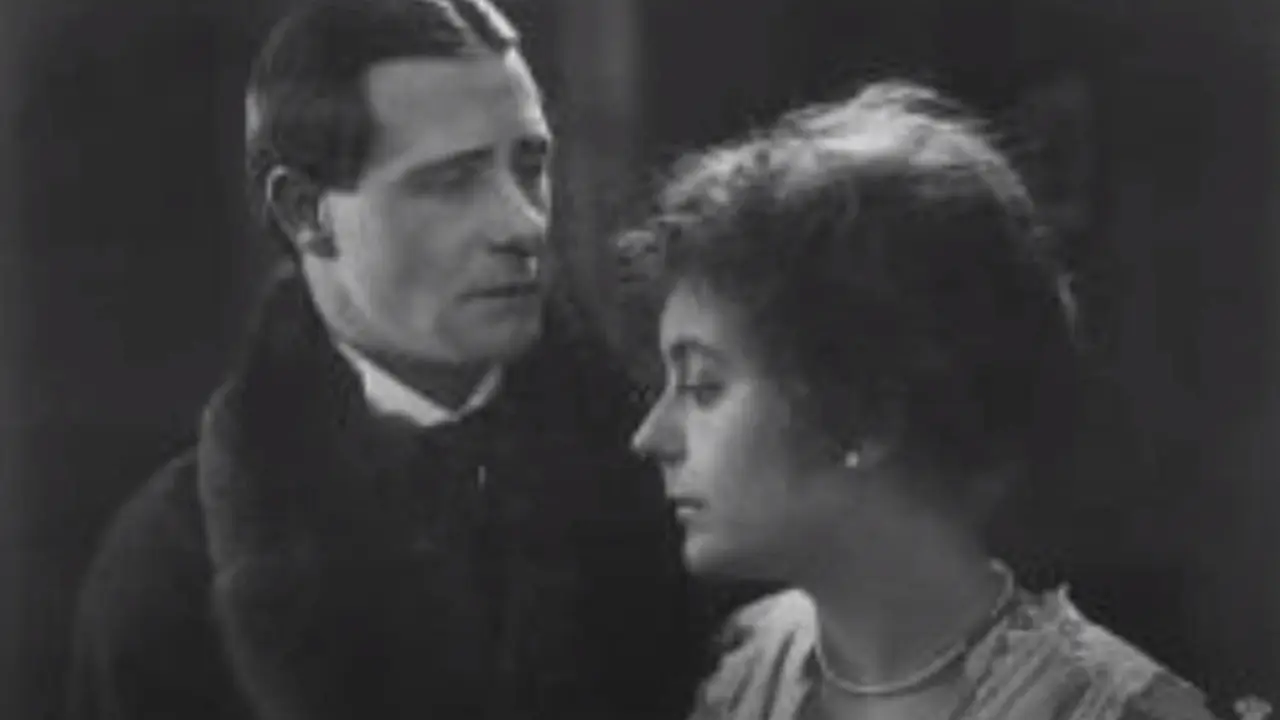
The ensemble of female characters surrounding Andreas is a crucial element in depicting his journey. Gertrude Welcker, Margarete Kupfer, Edith Meinhard, Irmgard Bern, Ria Jende, Margarete Schön, Ena Mar, and Maria Forescu, though some in smaller roles, collectively paint a picture of the diverse ways in which women are drawn to and affected by Andreas’s powerful personality. Each relationship, whether fleeting or profound, adds another layer to his complex character. These women are not merely conquests; they represent different facets of love, admiration, and ultimately, disappointment. The film, through these relationships, subtly critiques the self-absorption that can accompany artistic genius, suggesting that while art may elevate the spirit, it can also leave emotional devastation in its wake. This multi-faceted portrayal of romantic entanglements was a common thread in early 20th-century cinema, often used to explore societal norms and personal freedoms, as seen in A Heart in Pawn, which similarly dissected the complexities of love and sacrifice.
The narrative, crafted by Felix Hollaender, Georg Tatzelt, and director Carl Froelich, avoids simplistic moralizing. Instead, it invites the audience to observe Andreas's trajectory with a nuanced understanding. His 'heart-breaking' tendencies are not portrayed as malicious but rather as an unfortunate byproduct of his intense emotional landscape and perhaps a lack of self-awareness. He is a man driven by passion, both for his music and for life itself, and sometimes these passions collide with unforeseen consequences. The writers effectively build a character who is both admirable and flawed, a testament to the sophisticated character development present in many German films of this period. This approach to character, delving into moral ambiguities, was a hallmark of Weimar cinema, distinguishing it from the more straightforward narratives often found in Hollywood at the time.
Carl Froelich, who also contributed to the screenplay, directs Der Tänzer with a keen eye for visual storytelling. The cinematography, while perhaps not as overtly expressionistic as some of its contemporaries, effectively uses light and shadow to convey mood and character. There are moments of striking visual poetry, particularly in scenes depicting Andreas's performances, where the camera seems to dance with the music, translating auditory experience into visual rhythm. Froelich's direction is measured and deliberate, allowing the emotional weight of the performances to carry the narrative forward. He understands the power of the close-up to reveal inner turmoil and the effectiveness of broader shots to establish the social context of Andreas's fame. The pacing, though occasionally deliberate by modern standards, allows for a deeper immersion into the characters' psychological states, a common characteristic of films like Vingarne, which relied heavily on visual metaphors and character introspection.
The film's exploration of fame and its intoxicating effects is particularly pertinent. As Andreas becomes a celebrated figure, he navigates the adulation and the pressures that come with it. The film subtly hints at the isolation that can accompany celebrity, the way it can create a barrier between the public persona and the private individual. This theme, while timeless, was especially resonant in the rapidly changing social landscape of post-World War I Germany, where traditional hierarchies were crumbling and new forms of cultural expression were emerging. The public's fascination with artistic personalities, often bordering on obsession, is handled with a delicate touch, avoiding caricature in favor of psychological realism.
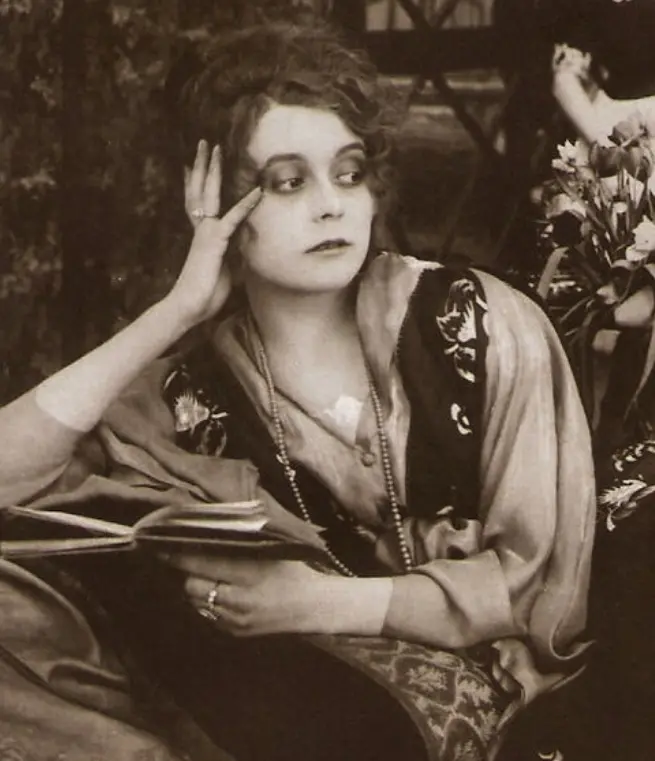
Beyond the central performance, the supporting cast provides a rich tapestry of characters that populate Andreas's world. Figures like Hugo Froelich, Theodor Burghardt, and Adolf Klein, though their roles might be less central, contribute to the film's sense of realism and depth. They represent the broader societal fabric against which Andreas's singular journey unfolds. Eugen Klöpfer, a prominent character actor of the era, undoubtedly adds gravitas to his scenes, even if brief. The collective efforts of these actors ensure that Der Tänzer feels like a lived-in world, not merely a stage for one man's drama. This meticulous attention to ensemble, even in films centered on a star, speaks to the collaborative spirit of silent film production.
One of the most enduring themes of Der Tänzer is the delicate balance between artistic integrity and personal responsibility. Andreas's genius is undeniable, but the film constantly questions whether that genius excuses his behavior in other aspects of his life. It's a perennial debate in the arts, one that Froelich and his writers tackle with admirable complexity. Is the artist beholden to different rules? Or does their heightened sensitivity simply make them more prone to emotional excesses? The film doesn't offer easy answers, instead opting for a portrayal that reflects the inherent ambiguities of human nature. This nuanced moral landscape makes Der Tänzer more than just a melodrama; it elevates it to a thoughtful character study.
While Der Tänzer may not possess the immediate iconic status of The Vampires: The Poisoner or the stark expressionism of other Weimar-era classics, its value lies in its nuanced psychological portraiture and its contribution to the rich tapestry of German silent cinema. It stands as a testament to the period's willingness to delve into complex human emotions and the often-turbulent inner lives of its characters. The film's sophisticated screenplay, combined with Froelich's sensitive direction and Janssen's compelling performance, makes it a rewarding experience for those willing to look beyond the more famous titles. It’s a film that demands attention, rewarding viewers with a deeper understanding of artistic ambition and its often-unforeseen consequences.
The film's ending, without revealing specifics, offers a resolution that is both poignant and reflective of Andreas's journey. It’s not necessarily a happy ending in the conventional sense, but one that feels earned, a culmination of the choices made and the paths taken. The lingering impression is one of a character who has undergone significant transformation, whose artistic pursuit has shaped him, for better or worse. This reflective conclusion underscores the film's commitment to exploring the full arc of a human life, with all its triumphs and tribulations.
Ultimately, Der Tänzer is more than just a period piece; it's a timeless exploration of the artistic temperament, the burdens of genius, and the intricate dance between ambition and the human heart. It encourages us to ponder the sacrifices made in the name of art and the indelible marks left on those who orbit such powerful creative forces. For anyone interested in the psychological dramas of the silent era, or indeed, the enduring questions about the nature of artistic passion, this film offers a compelling and deeply rewarding viewing experience. It reminds us that even in the absence of spoken dialogue, the human story, in all its intricate glory and despair, can resonate with profound intensity.
IMDb 5.6
1936
Community
Log in to comment.