DbcultAccessing Vault...
Cult Review
Senior Film Conservator
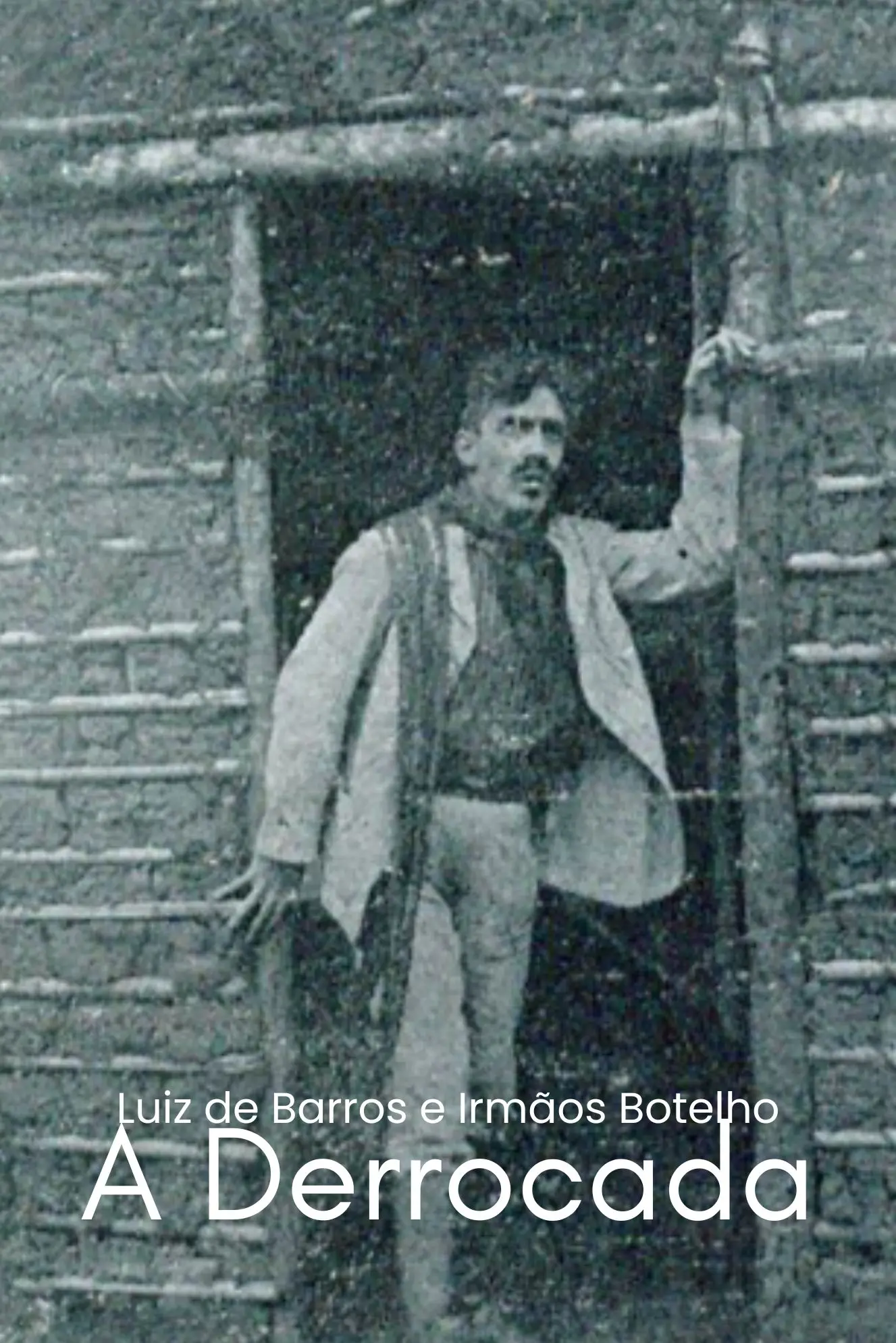
Stepping back into the nascent days of cinematic storytelling, we encounter Derrocada, a film whose very title, meaning 'Downfall' or 'Collapse,' reverberates with the profound dramatic weight characteristic of its era. Directed by Luiz de Barros and penned by Luiz Teixeira Leite Filho and Barros himself, this silent masterpiece, though perhaps less universally celebrated than some of its European or American contemporaries, stands as a formidable testament to the expressive power inherent in early Brazilian cinema. It's a narrative that eschews simplistic morality tales, instead plunging headlong into the intricate, often unforgiving currents of human experience, societal judgment, and the relentless march of fate. From its opening frames, the film establishes a world teetering on the precipice, where personal integrity is a fragile commodity and the grand illusions of respectability can crumble with devastating swiftness.
The core of Derrocada pulsates with the tragic trajectory of Lucienne Duval, portrayed with breathtaking vulnerability and nuanced intensity by Lucienne Duval herself. Her character is initially presented as an archetype of purity and artistic sensibility, a woman whose spirit, though delicate, possesses an undeniable luminescence. This radiant innocence, however, becomes an unwitting beacon for the predatory ambition of Armando Braga, whose performance as the charming yet duplicitous antagonist is nothing short of magnetic. Braga embodies the very essence of a silent film villain: suave, manipulative, and utterly devoid of genuine empathy. His machinations set in motion a chain of events that systematically dismantle Lucienne's world, stripping away her reputation, her peace, and ultimately, her sense of belonging.
The film’s brilliance lies not just in its compelling plot but in its profound exploration of societal hypocrisy and the crushing weight of public opinion. Lucienne’s downfall is not merely a personal tragedy; it is a meticulously orchestrated social execution, a stark reminder of how quickly a community can turn on one of its own, particularly a woman, when scandal taints her name. The narrative deftly weaves in secondary characters who either exacerbate Lucienne's plight or, in rare instances, offer fleeting moments of solace. Fernando do Val, likely portraying a patriarchal figure or a protective brother, provides a glimpse into the familial bonds strained to their breaking point. His struggle to comprehend or perhaps even accept Lucienne’s predicament adds another layer of emotional complexity, highlighting the profound impact of individual actions on the collective family unit.
The interplay between Lucienne and Lucette Duval, perhaps depicting sisters or close confidantes, underscores the film's thematic preoccupation with female solidarity and vulnerability. Lucette's character, whether she acts as a mirror, a foil, or a victim herself, contributes significantly to the emotional resonance of the story, allowing the audience to witness the ripple effects of betrayal and despair. This dynamic brings to mind the intricate familial dramas found in films like Family Affairs, where personal crises often become family-wide sagas, exposing the strengths and weaknesses of kinship. The silent medium, in Derrocada, amplifies these emotional undercurrents, relying heavily on the actors' nuanced expressions and gestures to convey the agony and despair that words might only dilute.
Gurgel do Amaral's role in this ensemble is pivotal, his character often serving as the narrative's moral compass or perhaps its most enigmatic force. Whether he is a disillusioned hero, a vengeful antagonist, or a detached observer, Amaral's presence invariably shifts the dramatic tension, compelling the audience to question the nature of justice and retribution within the film's cynical world. His scenes often provide moments of intense introspection or dramatic confrontation, pushing Lucienne further into her existential crisis or offering a slim glimmer of hope that, more often than not, proves to be ephemeral. This careful orchestration of character dynamics is a hallmark of strong silent film writing, where every glance, every posture, and every interaction must carry significant weight.
The directorial choices made by Luiz de Barros are consistently astute, demonstrating a keen understanding of visual storytelling. The use of lighting, particularly, is masterful, often casting long, ominous shadows that reflect Lucienne's internal turmoil and the encroaching darkness of her circumstances. Close-ups on the actors' faces, especially Lucienne's, are employed with precision, allowing the audience to bear witness to her raw, unvarnished emotions – fear, sorrow, defiance, and ultimately, a profound weariness. The set designs, though perhaps constrained by the technological limitations of the era, are nevertheless evocative, creating a sense of a recognizable yet subtly oppressive society. The opulent homes, bustling streets, and somber courtrooms all contribute to the overarching atmosphere of a world where appearances are paramount and a single misstep can lead to irredeemable ostracization.
Indeed, one cannot help but draw parallels between Derrocada and other silent films that explored similar themes of social condemnation and personal ruin. The plight of a woman facing public scrutiny and moral judgment resonates deeply with the narrative arc of a film like La faute d'Odette Maréchal, where the protagonist's reputation is similarly imperiled by circumstance and societal prejudice. Moreover, the sense of an individual battling overwhelming external forces, often leading to a tragic end, echoes the existential dread found in Hilde Warren und der Tod, even if the latter veers into more allegorical territory. Both films, in their own distinct ways, confront the fragility of human existence when confronted by the inexorable power of fate or societal judgment.
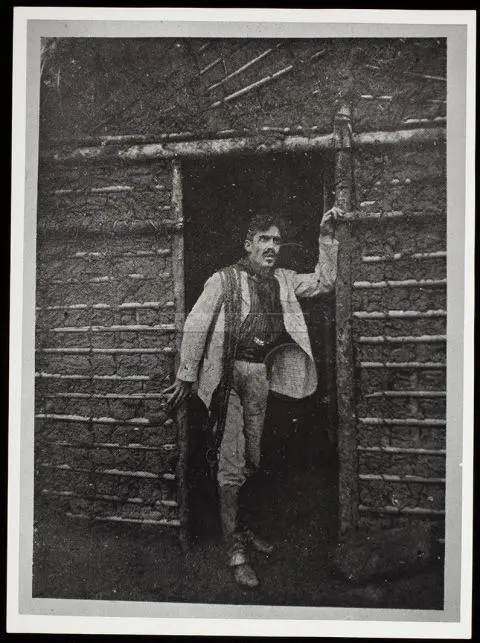
The performances by the supporting cast, including A. Severino and Jane Cleo, though perhaps less prominent than the central figures, are crucial in fleshing out the film's world. They represent the varied facets of the society that surrounds Lucienne – some embodying the judgmental gaze, others perhaps offering a fleeting moment of kindness or a stark portrayal of indifference. Their collective presence creates a rich tapestry against which Lucienne's struggles are vividly illuminated. It's a testament to the meticulous casting and direction that even minor characters contribute meaningfully to the film's pervasive atmosphere of impending doom and moral ambiguity.
The writing by Luiz Teixeira Leite Filho and Luiz de Barros is particularly noteworthy for its intricate construction of the plot. Unlike some contemporary melodramas that might rely on simplistic good-versus-evil dichotomies, Derrocada delves into the psychological complexities of its characters. Armando Braga, for instance, is not a cartoonish villain but a man whose charm makes his treachery all the more insidious, a character whose superficial appeal masks a deeper, more chilling malevolence. This nuanced portrayal elevates the film beyond mere entertainment, inviting the audience to ponder the darker aspects of human nature and the societal structures that often enable such depravity. The evolution of Lucienne's character, from hopeful innocence to weary resignation, is handled with an empathetic touch that prevents her from becoming merely a passive victim; she is a woman who fights, falters, and ultimately endures, even in the face of overwhelming odds.
The film's ending, without revealing specifics, resonates with the profound sense of inevitability suggested by its title. It doesn't offer easy answers or saccharine resolutions but instead leaves a lingering impression of the enduring consequences of human actions and societal rigidities. This refusal to shy away from uncomfortable truths distinguishes Derrocada as a work of significant artistic merit, solidifying its place within the pantheon of early dramatic cinema. It challenges the viewer to confront difficult questions about morality, justice, and the often-brutal realities of social hierarchy. The film's lasting impact is a testament to its courage in portraying the darker side of human experience with such unflinching honesty.
In terms of its technical execution, the restoration of Derrocada, if available, would be a monumental achievement, allowing contemporary audiences to fully appreciate the film's visual poetry and the subtle brilliance of its performances. The quality of the existing prints often dictates how we perceive these early works, but even through faded frames and occasional damage, the power of this narrative shines through. The pacing, a crucial element in silent film, is expertly handled, building tension gradually and releasing it in carefully orchestrated dramatic crescendos. The intertitles, though sparse, are impactful, conveying essential dialogue and narrative advancements without disrupting the visual flow. They are not mere expository tools but integral components of the film's expressive language, often mirroring the emotional intensity of the scenes they punctuate.
Comparing Derrocada to other films of its era, one might see echoes of the social commentary present in Revelation (1918), which similarly explores themes of spiritual and social awakening amidst personal struggle. While Derrocada focuses more on the secular aspects of human downfall, both films share a common thread of protagonist transformation under duress. The stark realism, combined with melodramatic flourishes, also brings to mind films like The Woman and the Beast, where human passions and societal constraints often collide with destructive force. However, Derrocada distinguishes itself through its particular focus on the insidious nature of reputation and the public's insatiable appetite for scandal, a theme that remains disturbingly relevant even today.
The film also serves as an important historical document, offering insights into Brazilian society and filmmaking practices of the early 20th century. It showcases the burgeoning talent within the national cinema, proving that compelling, emotionally resonant stories were being told far beyond the established film centers of Hollywood and Europe. The dedication of Luiz Teixeira Leite Filho and Luiz de Barros to crafting such a nuanced and emotionally charged narrative is evident in every frame, making Derrocada a significant work that deserves broader recognition. Its exploration of moral compromise, the fragility of innocence, and the relentless march of fate positions it as a timeless piece of dramatic art, one that continues to provoke thought and stir emotion long after its initial release.
Ultimately, Derrocada is more than just a historical artifact; it is a profoundly moving cinematic experience that transcends its silent origins. It speaks to the universal human struggle against adversity, the pain of betrayal, and the enduring power of the individual spirit, even when confronted by overwhelming odds. The performances, particularly Lucienne Duval's, are etched with a raw emotional honesty that is rarely seen, even in modern cinema. The film's ability to communicate such complex themes and emotions without spoken dialogue is a testament to the skill of its creators and the inherent power of the visual medium. It is a film that lingers in the mind, prompting reflection on the societal structures that can lead to such devastating downfalls and the resilience required to navigate them.
If you are a connoisseur of silent cinema, or simply someone interested in the rich tapestry of global film history, Derrocada is an essential viewing. It offers a window into an era where storytelling was both grand and intimate, where every gesture and every shadow carried profound meaning. The film’s enduring power lies in its unflinching portrayal of human fragility and the often-cruel realities of social existence, making it a masterpiece of dramatic realism that continues to resonate with audiences today. Its intricate plot, compelling characters, and masterful direction ensure its place as a significant contribution to early cinematic art, reminding us that the echoes of past struggles can still illuminate our present understanding of the human condition. The film, in its quiet intensity, challenges us to look beyond the surface, to understand the forces that shape individual destinies, and to empathize with those who find themselves caught in the relentless current of societal judgment and personal tragedy.
IMDb —
1933
Community
Log in to comment.