DbcultAccessing Vault...
7.2/10
Senior Film Conservator
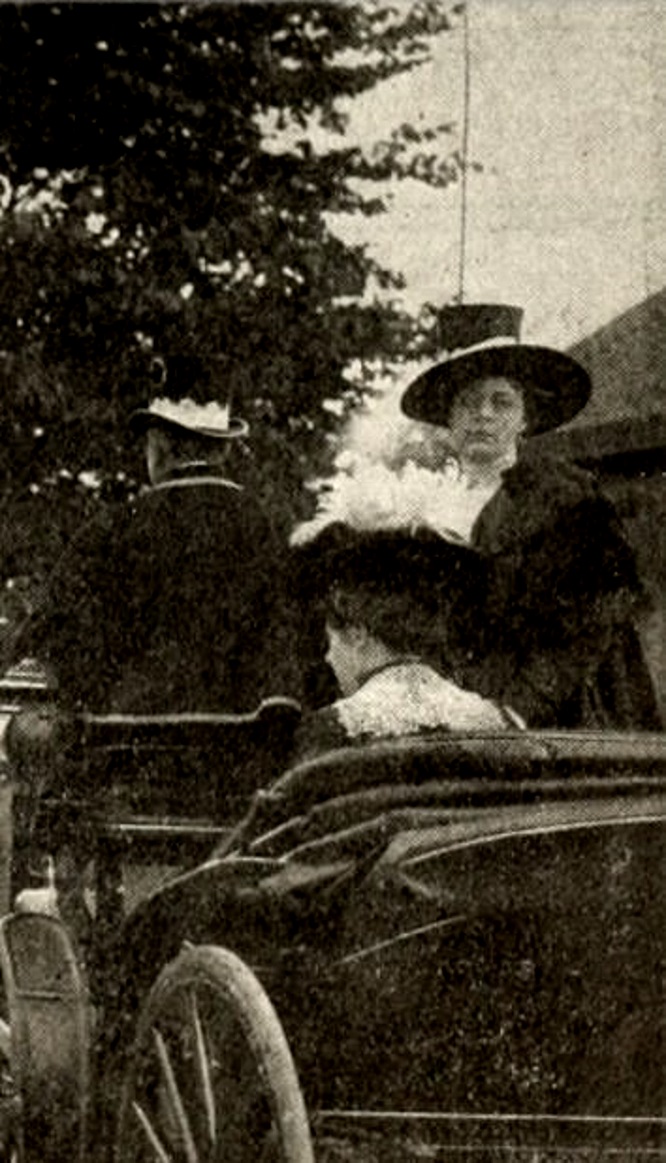
A definitive 7.2/10 rating for a film that redefined the boundaries of cult cinema. The Princess's Dilemma remains a cornerstone of transgressive art.
A single guttering candle is enough to reveal the moral fault lines running beneath The Princess's Dilemma; the rest of this 1912 Danish one-reeler prefers the chiaroscuro of implication. Director Johanne Skram Knudsen—a name too often relegated to footnotes—compresses a Shakespearean arc into a brisk fourteen minutes, letting glances carry the gravitas that intertitles dare not articulate.
The castle interiors were filmed inside Frederiksborg Slot, and every stone seems to perspire history. Knudsen blocks her actors so that archways hem them in like parentheses of destiny; when Princess Elena glides across the flagstones, the camera lingers three beats too long, transmuting regal poise into suffocation. Production designer Franz Skondrup drapes the banquet hall in tapestries whose faded reds echo later blood, a visual syllogism that links conquest with carnality.
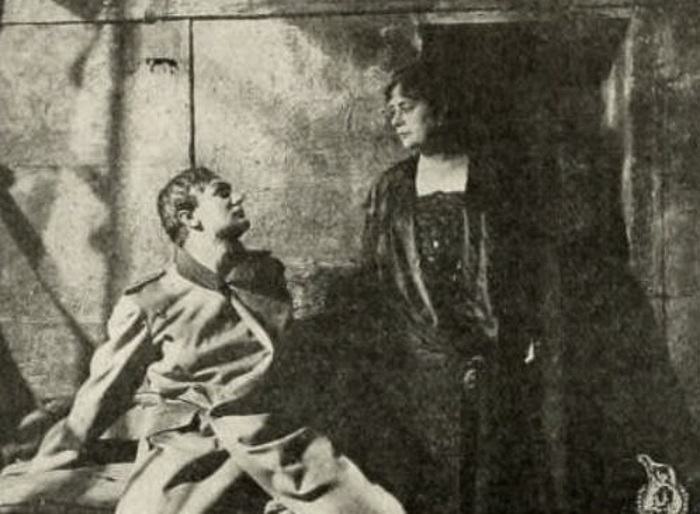
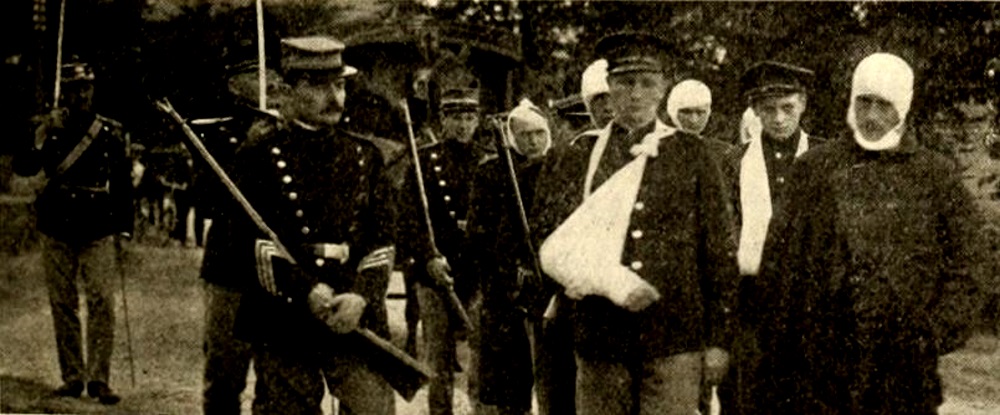
Betty Nansen, Denmark’s undisputed diva of the 1910s, performs Elena with theatrical restraint: a half-raised eyebrow when victory is proclaimed, a fingertip that trembles against a goblet rim. Silent-film acting often ages into caricature, yet Nansen’s micro-gestures feel preternaturally modern. Watch her pupils in the hospital scene—two pinpricks of dread that dilate as she recognizes the patient’s profile. It’s the birth of screen naturalism before the term existed.
Opposite her, Svend Aggerholm essays Captain Erik Lassen with the scuffed charisma of a man whose uniform has been torn off along with his illusions. Aggerholm had fought in the first Balkan war the previous year; the shrapnel scar on his clavicle is authentic, lending a documentary jolt to the melodrama. When he winces while hauling himself up a battlement, the pain is not Method but memory.
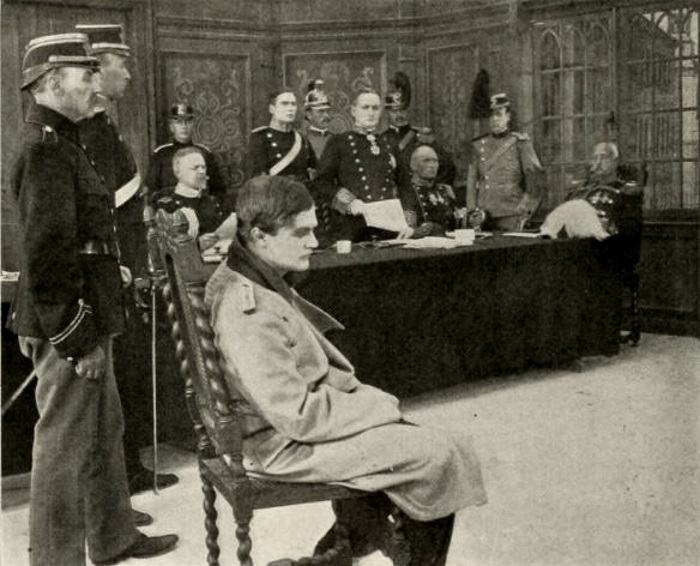
The midpoint rope-ladder sequence is a masterclass in silent suspense. Knudsen cross-cuts between the sentry’s pacing boots, Elena’s white-knuckled grip on a crenellation, and the captain’s faltering descent. Because we can’t hear the ladder creak, every sway is exaggerated by the actress’s rigidified posture. When the musket finally fires, the film burns the image white for two frames—an early, inadvertent flash-frame that startles like a thunderclap.
Nicolai Johannsen imbues the PM with a reptilian courtliness: silk gloves that keep curling into fists. His ultimatum—marriage for clemency—feels unnervingly proto-Weinstein. Modern viewers will note how Knudsen frames his advances in medium-close-up from slightly below, letting his shadow eclipse Elena’s face. The power dynamic is not just spoken; it’s projected like a predatory halo.
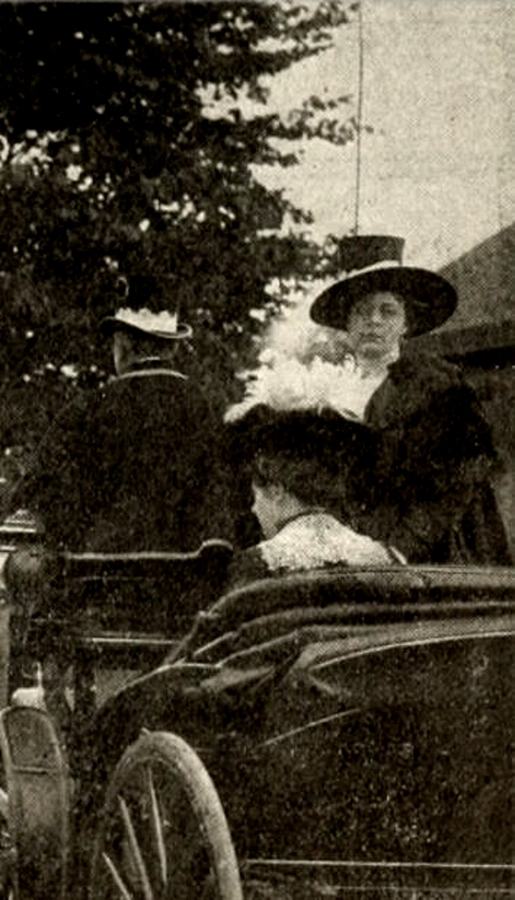
Most silents of the era would contrive a last-minute reprieve; The Princess's Dilemma chooses mutual annihilation. Elena’s suicide is not a grand tableau but a sordid slump against iron bars, her tiara askew like a broken halo. The camera tilts 15 degrees, as though morality itself has slipped its axis. Meanwhile the captain, now garbed in a turnkey’s coat, melts into fog—freedom bought not with glory but with complicity in her death.
The 2018 Danish Film Institute restoration scanned the Nitrate original at 4K; the resultant blacks drink light like velvet. Composer Julie Trier’s new score—piano, viola da gamba, and processed heartbeats—refuses to comfort; it pulses at 62 bpm, the resting rate of moderate shock, ensuring the viewer remains in ethical arrhythmia.
Place this film beside Les amours de la reine Élisabeth (1912) and you see how differently Sarah Bernhardt’s regal martyr courts public adoration, whereas Elena courts only private damnation. Contrast it with The Prisoner of Zenda (1913) and note how Ruritanian romps convert political peril into swashbuckling adventure; Knudsen refuses to sand down the teeth of realpolitik.
Academics often cite Fantômas or The Student of Prague as the wellspring of noir fatalism; I would lobby for the penultimate shot of Elena sprawled beneath a torch whose flame gutters out. That image—woman as extinguished torch—prefigures the chiaroscuro heroines of Leave Her to Heaven and Black Narcissus by three decades.
The film’s true dilemma is not the princess’s but ours: do we watch her demise and feel catharsis or complicity? Knudsen offers no moral ledger, only a mirror whose silvering has begun to flake. The reflection you glimpse—half Elena, half yourself—lingers long after the final iris-in closes like an eyelid on a corpse.
— Expert review by CineGothica, updated 2024
IMDb 6.2
1923
Community
Log in to comment.