DbcultAccessing Vault...
6.7/10
Senior Film Conservator
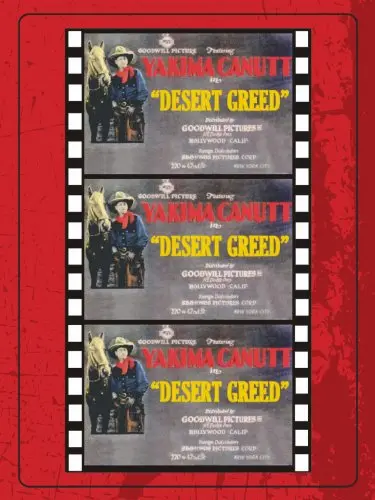
A definitive 6.7/10 rating for a film that redefined the boundaries of cult cinema. Desert Greed remains a cornerstone of transgressive art.
Is Desert Greed worth watching today? Short answer: yes, but with significant caveats that demand a particular kind of viewer. This is a film crafted for devotees of classic Westerns, those who appreciate the foundational narratives of the genre stripped down to their rawest elements. It is decidedly not for audiences seeking modern pacing, complex character arcs, or high-budget spectacle.
This film works because its lean narrative cuts directly to the heart of frontier injustice, offering a surprisingly dark and morally complex story for its era. The simplicity of its premise belies a deeper exploration of exploitation and the struggle for personal autonomy in a harsh, unforgiving world. The film’s strength lies in its unvarnished portrayal of a West where law is often a suggestion, and survival dictates a brutal morality.
This film fails because its technical limitations, particularly in sound and at times inconsistent performances from supporting cast members, occasionally pull the viewer out of the story’s immersive potential. The dialogue can feel stilted, and some of the action sequences, while competently staged for their time, lack the visceral impact modern audiences might expect. These flaws, while understandable given the film’s vintage, prevent it from achieving true timelessness.
You should watch it if you are fascinated by the evolution of the Western genre, appreciate the stoic heroism of early cinema, and don't mind a slower, more deliberate storytelling rhythm. It offers a valuable glimpse into the foundational storytelling tropes that would define decades of American cinema, presented with an earnestness that is hard to deny.
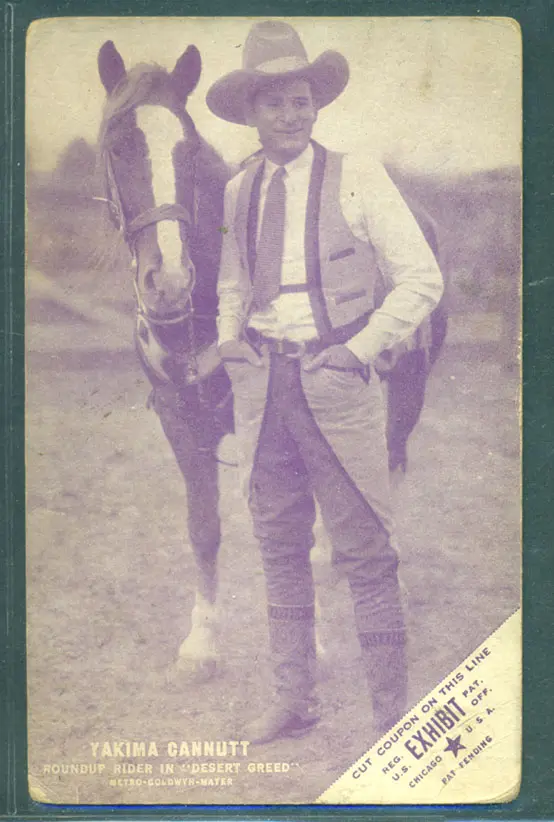
Desert Greed emerges from an era where the Western was not just a genre, but a canvas upon which America painted its myths of self-reliance, justice, and the untamed frontier. Directed by Jacques Jaccard, this film, while perhaps less celebrated than some of its contemporaries like Sherlock Jr. or even the more adventurous Davy Crockett, offers a surprisingly potent narrative that resonates beyond its humble production values. It strips away much of the romanticism often associated with the genre, presenting a world where desperation is a constant companion.
The story hinges on the plight of Rose Blossom, portrayed with a quiet vulnerability by Lucille Young, who finds herself adrift after being cheated out of her wages. This initial act of injustice sets the tone, immediately establishing a world where the powerful prey on the weak. It’s a common trope, yet here it feels particularly raw, devoid of the theatrical flourishes that would later become standard. The deputy, played by Yakima Canutt, steps into this grim reality not as a white knight, but as a man simply doing what he believes is right, a moral compass in a desolate land.
“The true measure of a Western isn't in its gunfights, but in its quiet moments of moral conviction.”
What makes Desert Greed stand out, for me, is its unflinching look at the economic precarity of the frontier. The 'greed' in the title isn't just about the smuggler's illicit enterprise; it's about the everyday exploitation that forces people into impossible choices. Rose's initial predicament, being fired and cheated, is a stark reminder that survival often hung by a thread, and a single act of malice could unravel a life. This focus on economic injustice, rather than just banditry, gives the film a surprising social commentary edge.
Yakima Canutt, primarily known as one of Hollywood’s most legendary stuntmen and second-unit directors, takes on a rare leading role here as the unnamed deputy. And it’s a revelation. Canutt embodies the stoic, laconic Western hero not through grand pronouncements, but through his physical presence and understated reactions. His performance isn't about emoting; it's about conveying resolve and a quiet authority through action and posture. When he confronts Rose’s former employer, there’s a palpable sense of controlled power in his movements, more effective than any fiery dialogue could be.
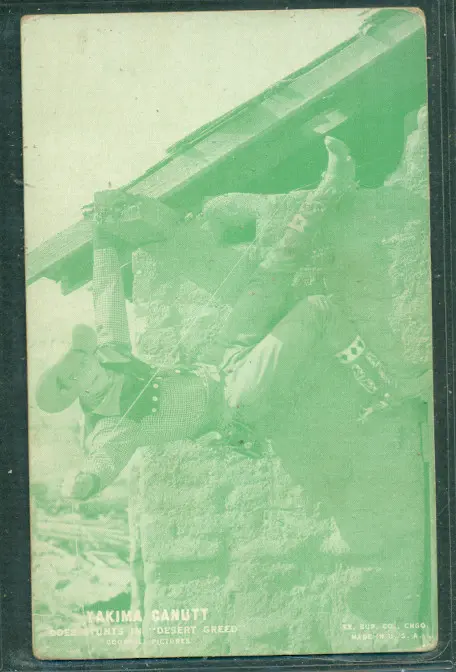
This isn't to say his acting is without flaws. There are moments where the dialogue feels a touch stiff, but this can be attributed more to the scripting conventions of the era than Canutt's capabilities. What he brings is an authenticity born from a lifetime spent in the saddle, a genuine understanding of the physical demands and silent codes of the frontier. He makes the deputy believable, a man of few words but clear intent, a refreshing contrast to some of the more theatrical performances of the period.
Lucille Young, as Rose Blossom, delivers a performance that, while constrained by the narrative's focus on the male protagonist, effectively conveys her character's desperate situation. Her portrayal of vulnerability and resilience is crucial, making her plight feel genuine and providing the emotional anchor for the deputy's intervention. Without her believable distress, the deputy’s actions would lack their emotional weight. The scene where she recounts her dismissal, even without elaborate dialogue, communicates a deep sense of injustice through her posture and wary glances.
The supporting cast, however, is a mixed bag. Donal Blossom, as the stepfather, and Frank Ellis, as the smuggler, lean heavily into villainous archetypes. While effective in driving the plot, their performances sometimes border on caricature, lacking the nuanced menace that could have elevated the film further. This is a common pitfall for films of this vintage, where clear-cut heroes and villains were often preferred over complex characterizations. Yet, even within these limitations, Ellis manages to convey a predatory entitlement that makes his proposal to Rose chillingly plausible.
IMDb 5.4
1924
Community
Log in to comment.