DbcultAccessing Vault...
Cult Review
Senior Film Conservator
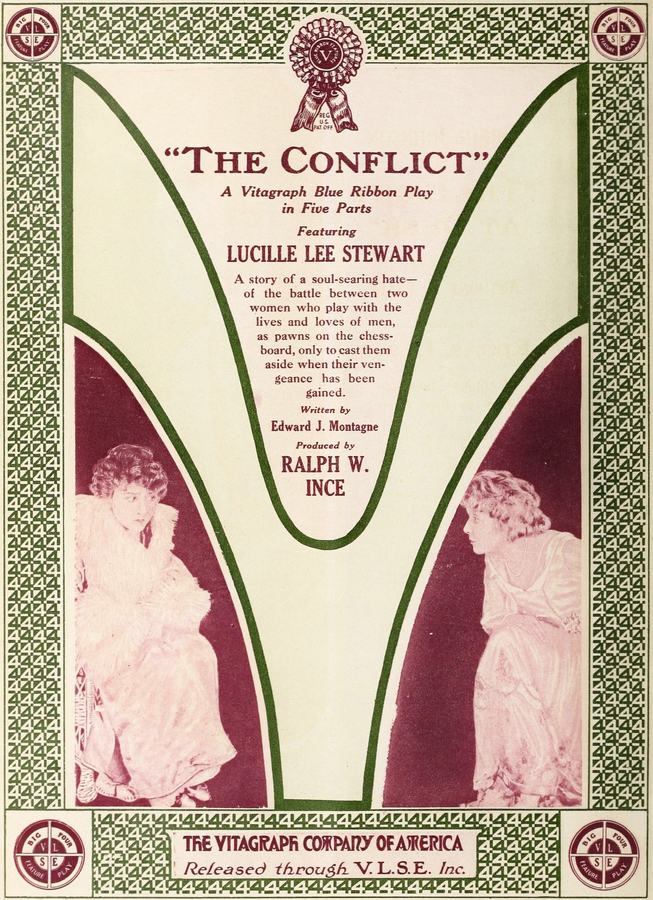
From the very outset, 'The Conflict' unfurls as a captivating tapestry woven with the threads of human frailty and formidable resilience, a narrative that plunges headfirst into the tumultuous waters of rivalry, desire, and the enduring quest for vindication. This cinematic endeavor, a testament to the intricate dance of fate and free will, transcends mere melodrama to offer a profound exploration of character, consequence, and the often-blurry lines between love and hatred. It's a film that demands engagement, pulling its audience into a vortex of emotional turmoil and moral ambiguity, leaving an indelible imprint long after the final frame fades.
At its pulsating core lies the simmering, deeply personal animosity between Madeleine and Jeanette, two women whose lives, though diverging sharply in economic standing, are bound by an almost primal competitive spirit. Their initial skirmishes, rooted in the provincial confines of their shared hometown, set the stage for a grander, more destructive theatre of war. Madeleine, portrayed with a fiery, unyielding spirit by Jessie Miller, embodies the classic archetype of the proud, spirited, yet impoverished heroine. Her offers of pure, unadulterated affection stand in stark contrast to Jeanette's, brought to life with a chilling blend of elegance and ruthlessness by Lucille Lee Stewart. Jeanette, equally proud and spirited, but cloaked in the undeniable power of wealth, offers the object of their mutual desire, Paul, a life cushioned by every conceivable luxury. This initial skirmish for Paul's affections, a pivotal moment in their escalating feud, sees Jeanette emerge victorious, a triumph that, far from satiating her, only ignites a more profound, almost pathological desire to utterly crush her rival.
The film masterfully depicts Jeanette's subsequent descent into calculated cruelty. Her machinations lead to the unjust dismissal of Madeleine's father, a devastating blow that forces Madeleine from the promise of education into the stark necessity of labor. This act, born of vindictive jealousy, serves as a crucial crucible for Madeleine, forging her character in the fires of adversity. It is here that the film echoes the thematic underpinnings of enduring struggles against societal injustice, much like the relentless pursuit of truth found in The Hound of the Baskervilles, albeit through a purely personal lens of revenge rather than criminal investigation. The audience witnesses Madeleine's metamorphosis, a transformation from a wronged girl to a woman hardened by life's cruelties, yet one who retains an inner fire. Years later, she re-emerges, not as a broken spirit, but as a popular actress, a testament to her indomitable will and perhaps, a symbolic triumph over the very forces that sought to suppress her.
Meanwhile, the narrative intricately weaves Jeanette's own shifting affections. Having discarded Paul, she finds herself drawn to Henry Mortimer, a rising young lawyer, imbued with a quiet dignity by Wilfred Lytell. It is in this new romantic entanglement that the threads of fate once again intertwine the lives of the two rivals. Mortimer, oblivious to the venomous history between them, becomes utterly enamored with Madeleine, who, in her newfound celebrity and confidence, perceives him as merely another admirer in her vast retinue. Her casual, almost dismissive approach to his affections, leading him on as is her custom, sets the stage for the next dramatic confrontation. This dynamic, where a woman uses her charm and status as a weapon, brings to mind the intricate power plays seen in The Battle of the Sexes, though here, the battle is intensely personal and deeply rooted in past grievances.
The moment Jeanette realizes her rival is trifling with the affections of the man she now loves is a masterclass in emotional complexity. Her desperate plea to Madeleine, a raw, vulnerable appeal to spare two lives from ruin, is a rare glimpse into a softer side, a moment where the veneer of pride cracks. Lucille Lee Stewart's portrayal here is particularly nuanced, allowing the audience to momentarily empathize with her anguish. Madeleine, initially touched by this unexpected display of vulnerability, consents to Jeanette's request. However, the recognition, the realization that this broken woman before her is the same Jeanette who once orchestrated her downfall, ignites the embers of old hatred. It's a powerful psychological turning point, where the past violently reasserts its dominion over the present. This sudden resurgence of animosity, a palpable force, compels Madeleine to retract her promise, embarking instead on a path of calculated revenge: to marry Henry, not out of love, but as a chillingly precise strike at the very heart of the woman who had caused her so much pain. This intricate psychological warfare, where love becomes a mere instrument of vengeance, echoes the complex motivations found in films like The Grip of Jealousy, where emotions are twisted into destructive forces.
The ensuing marriage is a desolate landscape of unfulfilled expectations and emotional frigidity. Madeleine, steadfast in her vengeful mission, remains cold to Henry's genuine affections, a stark and poignant portrayal of a heart deliberately hardened. Jessie Miller conveys this internal conflict with remarkable subtlety, the audience sensing the emotional toll her charade exacts. It is against this backdrop of marital ice that fate orchestrates another cruel twist: Madeleine's path crosses Paul's once more. The rekindling of her old love for him is depicted with a bittersweet nostalgia, a potent reminder of a simpler past before the scars of rivalry had fully formed. This renewed connection, however, is a dangerous game, threatening to dismantle the already fragile edifice of her marriage.
Henry, a man of integrity and deep, if unrequited, affection, eventually learns of their association. His reaction, an impassioned order for Paul to never enter his house again, is not merely an act of possessive jealousy but a desperate attempt to protect his burgeoning love for Madeleine. Paradoxically, this protective gesture sparks an unexpected, nascent love in Madeleine's breast for her husband. The irony is palpable: the very man she married for revenge now stirs genuine affection within her. Yet, a wide breach already exists between them, fueled by her continued, albeit complicated, associations with Paul and a burgeoning gambling habit that Henry vehemently disapproves of. His refusal to pay her debts, though financially sound, further exacerbates the emotional distance, creating a chasm that seems almost insurmountable. This struggle with personal demons and external pressures recalls the internal battles faced by protagonists in dramas like The Great Leap: Until Death Do Us Part, where individual choices have far-reaching, often tragic, consequences.
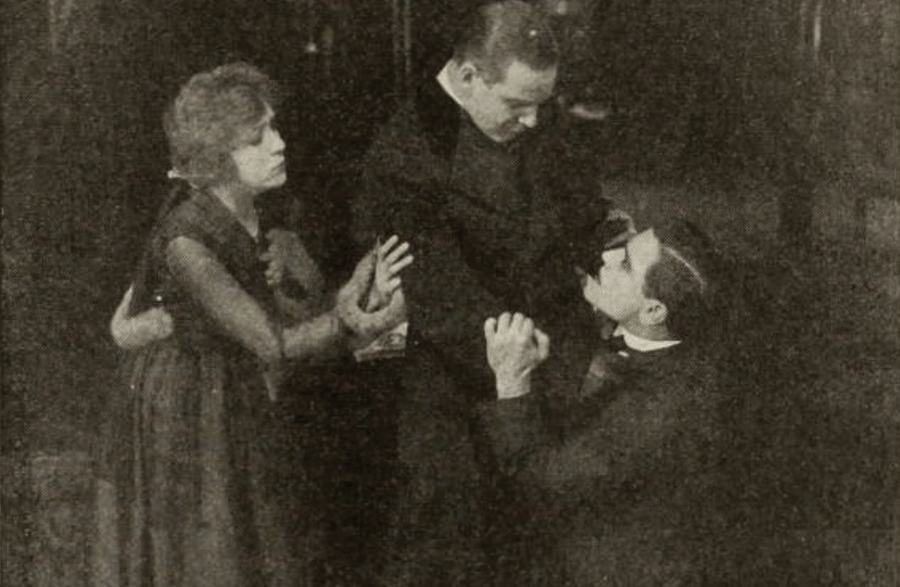
The narrative then spirals into a darker, more perilous territory. Paul, desperate for money, calls on Madeleine for a loan, which she, caught between her own financial precarity and a flicker of newfound loyalty to Henry, refuses. In a moment of reckless desperation, Paul rifles Henry's safe. The discovery of the deficit by Henry that very night is a moment of crushing misinterpretation. Believing his wife has taken the money to settle her gambling debts, he accuses her of theft, a bitter accusation that shatters the fragile bond attempting to form between them. He leaves her, his heart broken by perceived betrayal. This scene is particularly potent, showcasing the destructive power of assumptions and the tragic irony of two people, both victims of circumstance, being driven further apart by a misunderstanding. The weight of this false accusation and the resulting marital discord are reminiscent of the profound miscommunications and betrayals explored in films like The Woman Next Door, where neighborly disputes escalate into life-altering events.
The tension escalates dramatically as rumors of Paul's continued presence with Madeleine reach Henry's ears. Consumed by a potent cocktail of anger, jealousy, and a profound sense of betrayal, Henry, with a revolver clutched in his pocket, sets off for the house, intent on a final, definitive confrontation. His journey is fraught with a palpable sense of impending tragedy, a cinematic march towards an inevitable climax. Meanwhile, inside the house, Paul, under the influence of liquor, makes increasingly offensive advances towards Madeleine, desperate to rekindle their old flame. Madeleine, in a moment of sheer terror and self-preservation, threatens him with a revolver to keep his distance. The air crackles with danger. Paul, stumbling in his drunken state, trips over a chair, bruising his head. Madeleine, momentarily relieved, rushes to the kitchen for water, a fleeting act of humanity in a scene thick with menace.
Then, the shot. A deafening punctuation mark in the unfolding drama. Madeleine returns to a scene of horror: Paul dead, and Henry standing over the body, a silent, grim sentinel. The immediate aftermath is a stunning display of self-sacrificial love and tragic misunderstanding. Each, believing the other guilty, takes responsibility for the crime. This mutual confession, born of a desperate desire to protect the one they love, is heartbreakingly poignant. Henry is taken into custody, Madeleine's frantic, truthful story dismissed as the ravings of a distraught woman. The injustice is palpable, a heavy cloud hanging over the proceedings, reminiscent of the wrongful accusations and legal battles depicted in The Intrigue, where appearances are deceiving and truth is elusive.
The climax of the film unfolds in the tense, suffocating atmosphere of the courtroom, where Henry faces the ultimate penalty for a crime he did not commit. As the specter of injustice looms large, a dramatic, unexpected turn of events shatters the proceedings. Jeanette, the architect of much of the film's suffering, breaks down. Her confession is a stunning revelation, delivered with a mix of despair and a strange, twisted triumph. She admits to hiding in Madeleine's room on the day of the murder, a silent, unseen observer. When Madeleine had gone for water, Jeanette seized the opportunity, shooting Paul. Her motive, chillingly clear, was to prevent Paul from revealing the truth about the robbery, an exposure that would undoubtedly lead to Henry and Madeleine's reconciliation. Such an outcome, she knew, would forever deny her any hope of winning Henry's love. Her final act, a desperate, vengeful strike, ultimately becomes her undoing, yet it is also the catalyst for the truth's emergence. This sudden, dramatic confession, turning the entire narrative on its head, is a trope often found in classic melodramas, but here, it feels earned, a final, desperate act of a woman consumed by a love so fierce it became destructive.
'The Conflict', through its intricate plot and deeply flawed, yet compelling characters, ultimately culminates in a powerful message of redemption and the transformative power of suffering. Out of the ashes of sorrow, misunderstanding, and profound pain, a new faith and a love, forged anew in the crucible of shared adversity, emerge for Henry and Madeleine. Their reconciliation is not merely a happy ending, but a hard-won peace, a testament to the enduring strength of the human heart to forgive, to understand, and to love even after enduring the most harrowing trials. The performances by Wilfred Lytell, Frank Currier, Jessie Miller, Huntley Gordon, John S. Robertson, Lucille Lee Stewart, and Richard Turner, under the direction of Edward J. Montagne, are uniformly strong, lending credibility and emotional weight to this epic tale of passion and peril. The film's ability to navigate such a complex narrative, oscillating between intense personal drama and gripping mystery, is a testament to its skillful storytelling and enduring appeal. It stands as a compelling example of how human emotions, when pushed to their extremes, can lead to both profound destruction and ultimate, albeit painful, enlightenment. The journey of Madeleine and Henry is not one of flawless romance, but of a love tested, broken, and painstakingly rebuilt, proving that true connection can indeed triumph over the most formidable of conflicts.
Cast: Wilfred Lytell, Frank Currier, Jessie Miller, Huntley Gordon, John S. Robertson, Lucille Lee Stewart, Richard Turner
Writer: Edward J. Montagne
IMDb 5.4
1919
Community
Log in to comment.