DbcultAccessing Vault...
6.4/10
Senior Film Conservator
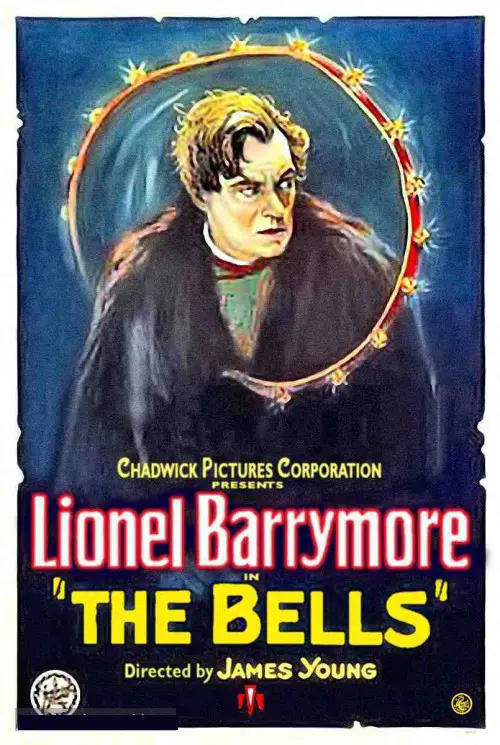
A definitive 6.4/10 rating for a film that redefined the boundaries of cult cinema. The Bells remains a cornerstone of transgressive art.
Short answer: Yes, but it's not for everyone. 'The Bells' from 1926 is a fascinating psychological thriller, but it requires a certain mindset to appreciate it fully.
This film is for those who enjoy classic cinema, particularly silent films, and are interested in exploring themes of guilt and redemption. It is not for those who prefer more modern filmmaking techniques or narratives that rely heavily on visual effects or dialogue.
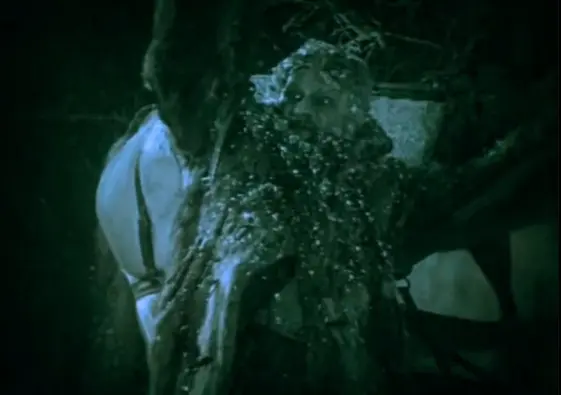
This film works because of its superb acting, particularly from Laura La Varnie and E. Alyn Warren, who bring depth and nuance to their roles. The performances are timeless and will captivate viewers. Additionally, the film's use of symbolism and the psychological tension it builds are masterfully executed, making for a suspenseful viewing experience.
This film fails because its pacing can be slow, and some of the symbolism might be difficult to interpret for modern audiences. The film's silent nature can also make it challenging for viewers who are not accustomed to silent films, as it relies heavily on visual storytelling.
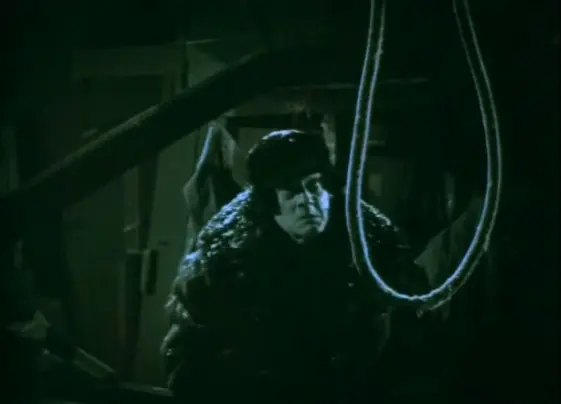
You should watch it if you are a fan of early 20th-century cinema, particularly silent films, and are interested in exploring themes of guilt and redemption. The film's timeless performances and psychological depth make it a worthwhile experience, despite some of its limitations.
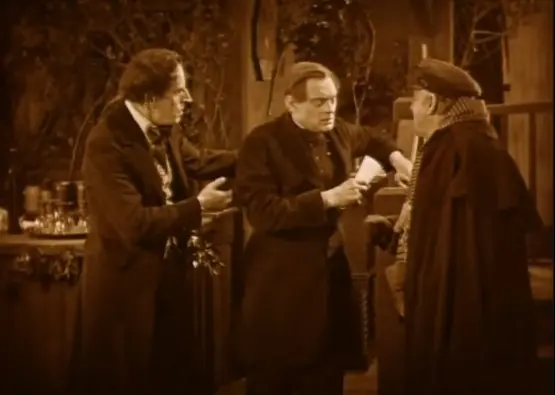
The performances in 'The Bells' are standout elements of the film. Laura La Varnie delivers a nuanced and complex portrayal of the innkeeper, capturing the nuances of his guilt and moral struggle. E. Alyn Warren, as the wealthy guest, brings a sense of menace and complexity to his role, making his character both intriguing and threatening. Lionel Barrymore also shines in his supporting role, adding depth to the story.
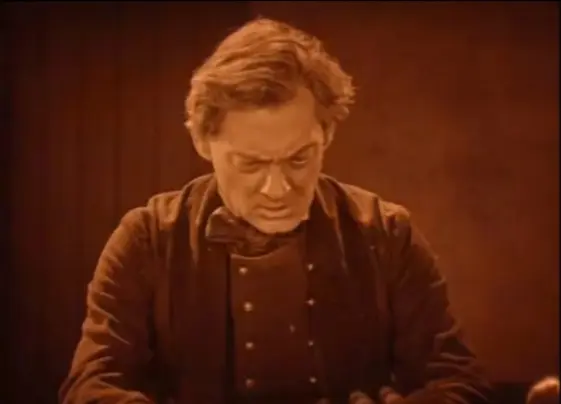
Director Robert Z. Leonard, with cinematography by Edward H. Sullivan, creates a visually striking and atmospheric film. The use of lighting and shadow effectively conveys the psychological tension and inner turmoil of the characters. The film's black-and-white cinematography enhances the ominous and foreboding tone, making for a visually compelling viewing experience.
The film's pacing is deliberate, which can be both a strength and a weakness. On one hand, it allows for a deep exploration of the characters and their motivations. On the other hand, it can be slow for viewers who prefer a faster narrative. The film's tone is primarily psychological, focusing on the internal struggles of the characters rather than external events. This approach can be both captivating and challenging for modern audiences.

One of the film's most compelling aspects is its use of symbolism, particularly the titular bells. The bells serve as a metaphor for the characters' inner turmoil and the consequences of their actions. While the symbolism can be subtle, it adds layers to the narrative and enhances the film's psychological depth. The film also explores themes of guilt, redemption, and the moral consequences of our actions, making it a thought-provoking viewing experience.
Yes, 'The Bells' is a film that rewards close attention and a willingness to engage with its psychological themes. While it may not appeal to those who prefer fast-paced narratives or modern filmmaking techniques, it offers a rich and thought-provoking viewing experience. The performances, particularly from Laura La Varnie, are exceptional, and the film's atmospheric and psychological approach make it a worthwhile experience for fans of early 20th-century cinema.
Pros:
Cons:
It works. But it’s flawed. 'The Bells' is a film that requires a certain mindset to fully appreciate, but its performances and psychological depth make it a worthwhile experience for fans of early 20th-century cinema. It may not be for everyone, but for those who are willing to engage with its themes and explore its psychological depths, it offers a rich and thought-provoking viewing experience.
IMDb —
1917
Community
Log in to comment.