DbcultAccessing Vault...
6/10
Senior Film Conservator
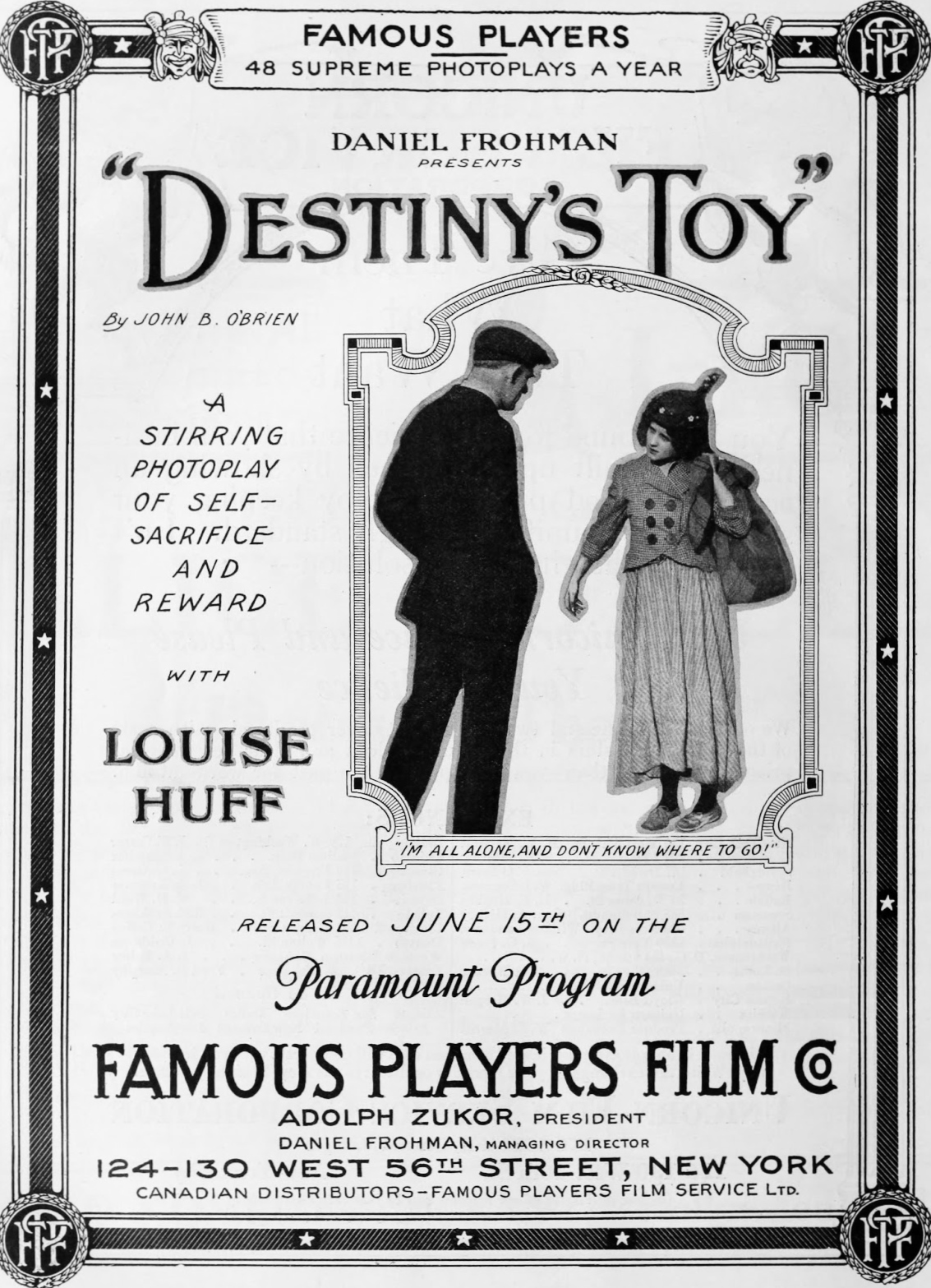
A definitive 6/10 rating for a film that redefined the boundaries of cult cinema. Destiny's Toy remains a cornerstone of transgressive art.
In the annals of early cinema, where flickering shadows conveyed narratives of grand ambition and intimate human drama, certain films stand as testament to the enduring power of storytelling. Destiny's Toy, a 1916 production featuring the compelling talents of Kate Lester and John Bowers, emerges from this era not merely as a relic, but as a vibrant, if often overlooked, commentary on the capricious nature of fate and the resilience of the human spirit. It is a work that, even through the prism of more than a century, resonates with a raw emotionality and a narrative complexity that belies its silent origins. Far from being a simplistic morality play, it delves into the murky waters of urban crime, the solace of unexpected kinship, and the relentless pursuit of vengeance, all while painting a vivid portrait of a young woman's journey through trials most profound.
The film commences with an almost mythic origin for its protagonist, Nan. Rescued from the merciless maw of a shipwreck, she is a literal child of the sea, cast upon the shores of a new life by a benevolent foster father. This initial setup, a blend of peril and profound salvation, immediately establishes a thematic undercurrent of divine intervention or perhaps, simply, the sheer randomness of existence. This early sequence, though brief, sets a poignant tone, hinting at the fragility of life and the unexpected bonds that can form in its aftermath. It’s a classic trope, yet rendered here with a silent film's characteristic flair for dramatic visual shorthand. The passing of her protector, however, shatters this fragile sanctuary, propelling Nan into the unforgiving urban sprawl. This transition is not merely geographical; it marks her entry into a world far more intricate and perilous than her sheltered upbringing could have prepared her for. The city, in this context, is not a place of opportunity but a labyrinth of moral ambiguity and hidden dangers, a stark contrast to the elemental purity of her origins.
Nan’s unwitting entanglement with a criminal gang forms the central conflict of the narrative, highlighting the vulnerability of the innocent in a world rife with predation. Her initial unawareness of their true nature speaks volumes about her guileless character, making her eventual discovery all the more impactful. The film masterfully builds this tension, allowing the audience to witness her gradual realization, a slow dawning of a horrifying truth. When the gang's audacious attempt to rob the wealthy Thomas Carter’s home spectacularly implodes, the façade crumbles completely. It is at this juncture that Nan, faced with the stark reality of her situation, makes a pivotal choice. Her decision to inform the police, leading to the incarceration of Bad Riley, the gang's menacing leader, is a monumental act of courage. It's a defiant stand against the forces of darkness, a moment that defines her transformation from a passive recipient of fate to an active agent of justice. This arc is compelling, reminiscent of other silent era heroines who find their voice and strength in adversity, much like the resolute protagonist in A Woman's Triumph, where a female lead similarly navigates societal challenges with burgeoning self-reliance.
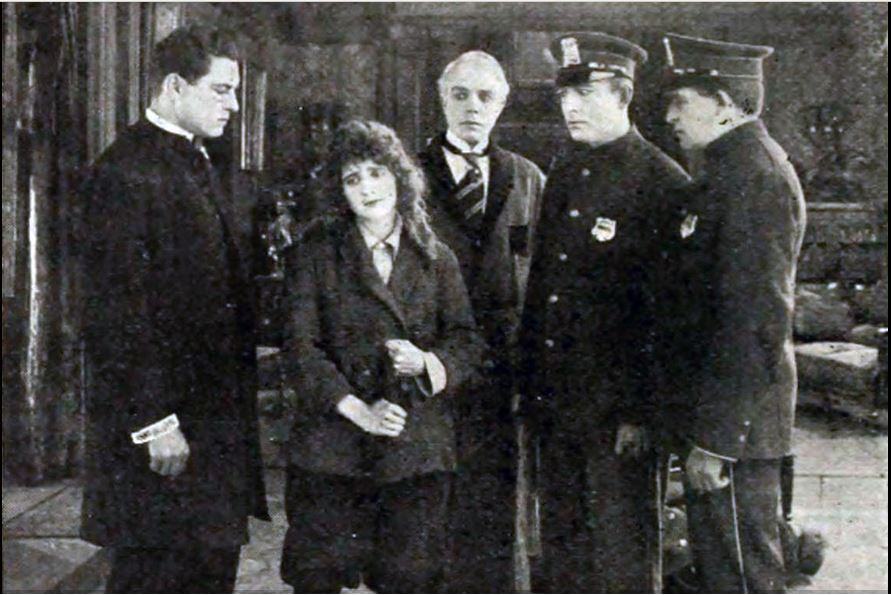
The Carters, in their profound gratitude, welcome Nan into their home, a gesture laden with both practical kindness and deep emotional resonance. Their act of adopting her as a daughter is a poignant tribute to their own lost child, creating a powerful emotional anchor for Nan and a sense of earned redemption for the narrative. This development offers a much-needed respite from the preceding tension, allowing for the blossoming of a tender romance between Nan and the Carters’ son, Reverend Robert Carter. John Bowers, in the role of Robert, brings a quiet dignity and earnestness to the character, forming a compelling counterpart to Kate Lester’s Nan. Their burgeoning relationship is depicted with the delicate visual poetry characteristic of the era, conveying affection and mutual respect without a single spoken word. This period of relative tranquility, however, is merely the eye of the storm. The narrative, true to its dramatic inclinations, cannot allow such peace to endure unchallenged.
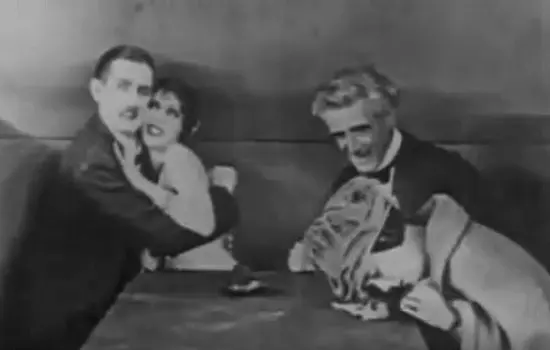
The escape of Bad Riley from prison reintroduces the element of peril with a chilling immediacy. This plot twist, a classic dramatic device, serves to elevate the stakes significantly. Riley, portrayed by John T. Dillon with a menacing intensity, becomes the embodiment of relentless vengeance, his singular focus being the destruction of Nan’s newfound happiness. His pursuit transforms the film from a drama of moral awakening into a nail-biting thriller. This segment of the film showcases the true grit and determination of Nan, as she must once again confront the shadows of her past. It’s a test of her newfound strength and the depth of her courage, echoing the trials faced by protagonists in films like The Woman Who Dared, where a female character must stand firm against formidable external threats.
The cast of Destiny's Toy delivers performances that, while constrained by the conventions of silent cinema, manage to convey a rich spectrum of human emotion. Kate Lester as Nan is particularly noteworthy. Her portrayal is nuanced, evolving from wide-eyed innocence to resolute bravery. She communicates vulnerability and strength with remarkable clarity through her expressions and physicality, a testament to the powerful non-verbal acting techniques honed during this period. John Bowers, as the moral compass and romantic interest, provides a steady, reassuring presence, his earnest gaze often communicating volumes. The supporting cast, including Hattie Forsythe and John T. Dillon, round out the ensemble, each contributing to the film's immersive atmosphere. Adolphe Menjou, though perhaps in an early or minor role here, hints at the charismatic screen presence he would cultivate in later, more prominent features. The collective effort of these actors ensures that the story's emotional beats land with considerable impact, drawing the audience into Nan's precarious world.
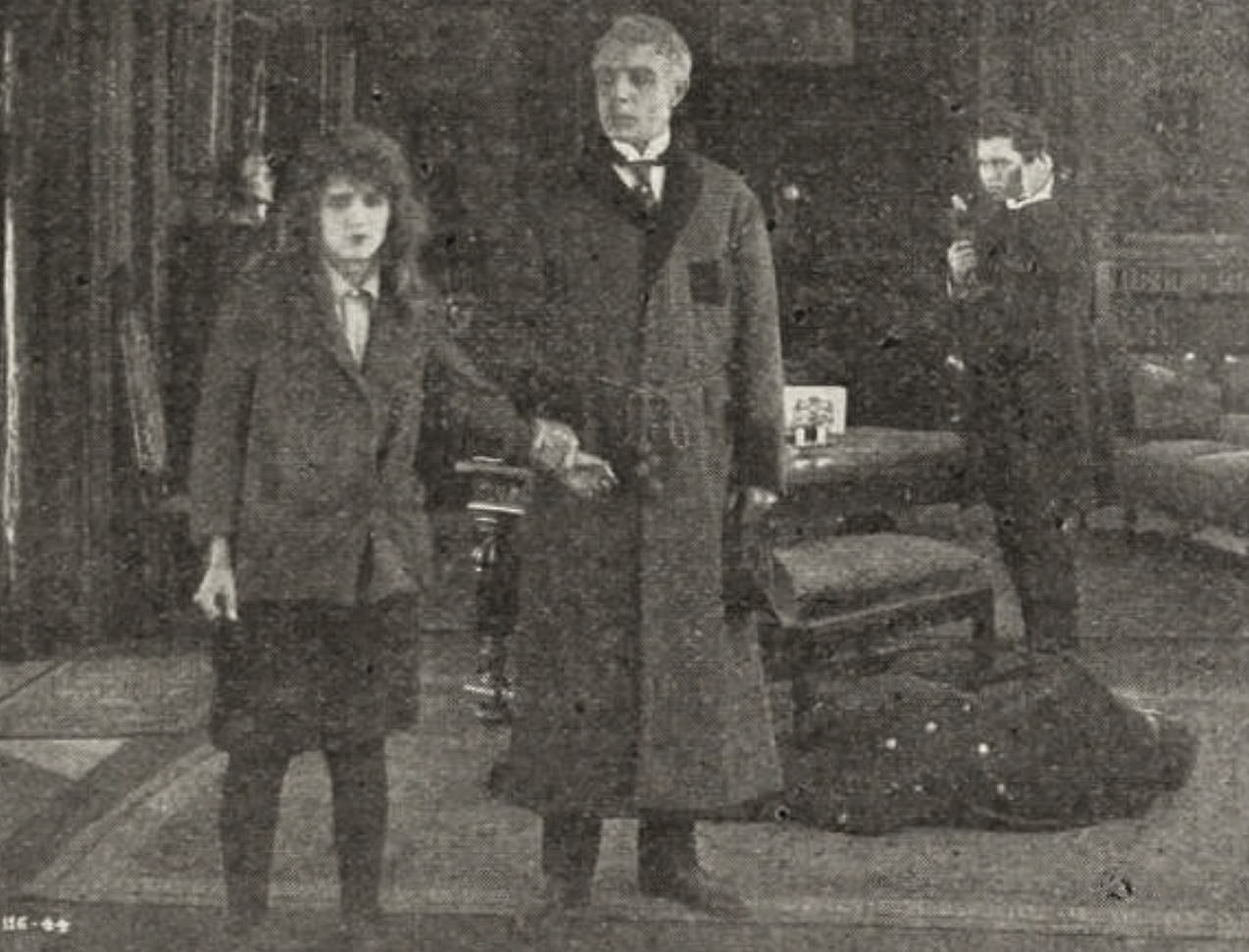
The direction, guided by the narrative crafted by John B. O'Brien, is taut and purposeful. The pacing, a critical element in silent films where title cards carry significant narrative weight, is handled deftly, balancing moments of dramatic tension with periods of character development. The cinematography, while perhaps not groundbreaking for its time, effectively utilizes light and shadow to enhance mood and convey emotion, a crucial aspect of visual storytelling in the absence of dialogue. The urban settings are depicted with a grittiness that contrasts sharply with the idyllic initial scenes, reinforcing the thematic journey of the protagonist. The film's ability to maintain suspense and engage the viewer through purely visual means is a testament to the craftsmanship of its creators.
Thematically, Destiny's Toy is a rich tapestry. It explores the enduring power of redemption and the idea that one's past, however dark, does not entirely dictate one's future. Nan's journey from a victim of circumstance to a courageous informant and then to a beloved daughter is a powerful testament to the transformative potential of human agency and the kindness of strangers. It also delves into the stark realities of crime and its insidious reach, contrasting the innocence of Nan with the hardened cynicism of Bad Riley and his gang. The film implicitly comments on societal structures, where vulnerability can lead to exploitation, but also where justice, however belated, can prevail. The romance between Nan and Robert, rooted in shared values and mutual respect, adds a layer of hope and stability, representing a sanctuary from the chaos that often surrounds Nan. This interplay of light and shadow, hope and despair, is what gives the film its enduring emotional resonance.
Comparing Destiny's Toy to other films of its era, one might draw parallels with narratives focusing on individuals caught in the machinery of larger, often nefarious, forces. While not a direct comparison, aspects of the underworld exploration might subtly echo themes found in films that depicted the hidden lives of society, such as Behind the Scenes, which often pulled back the curtain on less glamorous or more dangerous aspects of life. However, Destiny's Toy distinguishes itself through its specific focus on one woman's personal journey of self-discovery and moral fortitude in the face of overwhelming odds. It's less about the 'scenes' themselves and more about the individual's reaction to them. The film's strength lies not just in its plot twists, but in its profound character study of Nan and the choices she makes under immense pressure.
In conclusion, Destiny's Toy stands as a compelling example of early cinematic drama. Its intricate plot, driven by a series of dramatic turns and the unyielding hand of fate, is brought to life by strong performances, particularly from Kate Lester. The film's exploration of themes like innocence corrupted, justice sought, and love found amidst adversity ensures its continued relevance. It reminds us that even in the absence of spoken dialogue, the power of visual storytelling, coupled with evocative acting and a well-structured narrative, can transcend time. For those interested in the evolution of cinema or simply in a gripping tale of human endurance, Destiny's Toy offers a rich and rewarding experience. It is more than just a historical artifact; it is a vibrant narrative that continues to speak to the universal struggles and triumphs of the human heart, proving that some stories, like the relentless currents of destiny, are truly timeless. Its nuanced portrayal of morality, its thrilling moments of suspense, and its ultimately hopeful message solidify its place as a silent film worthy of rediscovery and appreciation. The journey of Nan, from shipwrecked orphan to a woman who shapes her own destiny, remains a powerful testament to the indomitable spirit, a beacon of resilience in a world often governed by chance.
IMDb 7.6
1924
Community
Log in to comment.