DbcultAccessing Vault...
8.1/10
Senior Film Conservator
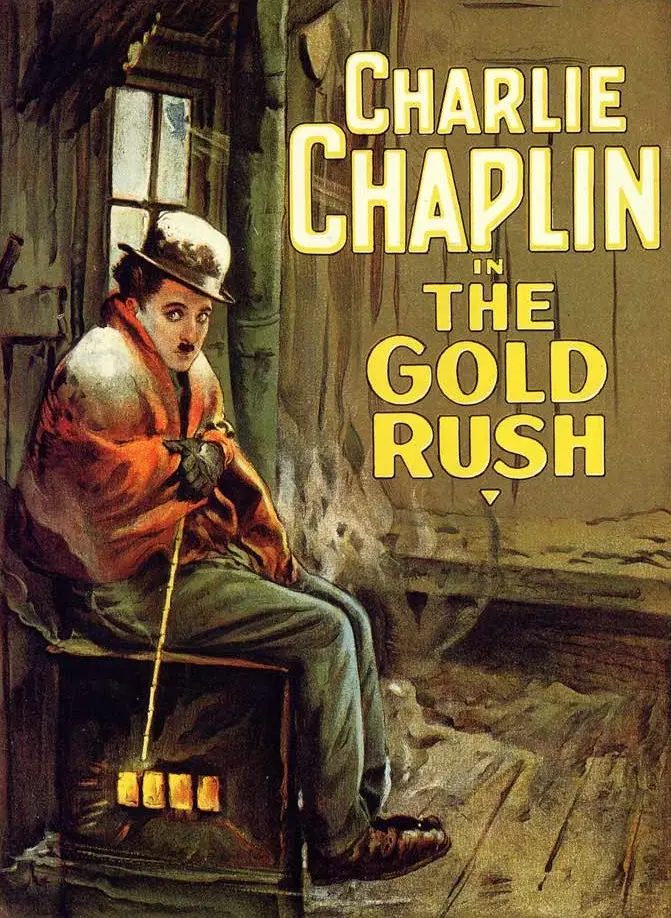
A definitive 8.1/10 rating for a film that redefined the boundaries of cult cinema. The Gold Rush remains a cornerstone of transgressive art.
The year 1925 represented a watershed moment for the celluloid medium, a period when the kinetic energy of silent cinema reached its zenith. While other productions of the era, such as the gritty realism of The Yellow Traffic or the domestic entanglements found in Foolish Lives, sought to capture the zeitgeist through melodrama, Charles Chaplin looked toward the frozen frontiers of the North. In The Gold Rush, we witness the perfect confluence of directorial ambition and the Tramp’s enduring vulnerability. It is a film that refuses to be categorized, oscillating between the existential dread of starvation and the whimsical grace of a dinner-roll ballet.
The opening sequence is nothing short of Herculean. Chaplin, ever the perfectionist, transported hundreds of extras to the Sierra Nevada to recreate the Chilkoot Pass. This visual scale provides a stark contrast to the more contained, character-driven narratives of films like The Flower Girl. The sheer verticality of the landscape serves as a metaphor for the socio-economic ladder the Prospector seeks to climb. Unlike the rugged masculinity portrayed in The Lone Star Ranger, Chaplin’s protagonist is an anomaly in this wilderness—a man equipped with a cane and a derby hat in an environment that demands fur and iron.
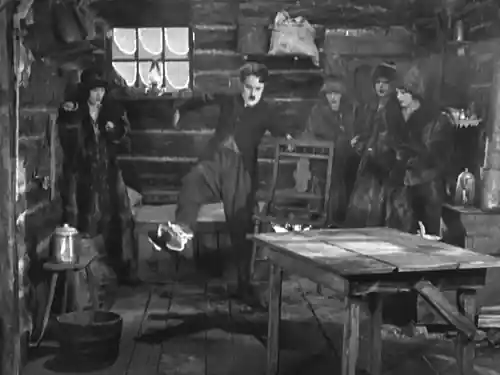
The cinematography, though limited by the technology of the mid-twenties, possesses a clarity that rivals the documentary-style urgency of The Battle of the Ancre and the Advance of the Tanks. There is a haunting stillness to the snow-covered vistas, a silence that amplifies the desperation of the characters. When the blizzard traps the Prospector with Big Jim (Mack Swain), the interior of the cabin becomes a stage for some of the most innovative physical comedy ever recorded. The spatial dynamics are handled with the precision of a clockmaker, ensuring that every movement contributes to the rising tension of their collective hunger.
Perhaps the most iconic sequence in cinematic history is the Thanksgiving dinner of the boiled boot. Here, Chaplin elevates the base instinct of survival to an act of high-society etiquette. The way he meticulously winds the laces like spaghetti and treats the sole as a choice cut of fillet is a masterclass in irony. This scene serves as a poignant reminder of the human capacity to maintain dignity in the face of absolute deprivation. It lacks the overt sentimentality of The Love Letter, opting instead for a bittersweet humor that resonates far more deeply.
The hallucination scene, where a starving Big Jim perceives the Tramp as a giant chicken, showcases the film's willingness to lean into the surreal. This psychological fracture, born of famine, is handled with a lightness of touch that prevents the film from descending into the dark territory of Dangerous Days. Instead, it remains grounded in the Tramp’s inherent likeability. Mack Swain’s performance is the perfect foil to Chaplin’s agility; his hulking presence and expressive face provide a necessary anchor to the more ethereal qualities of the story.
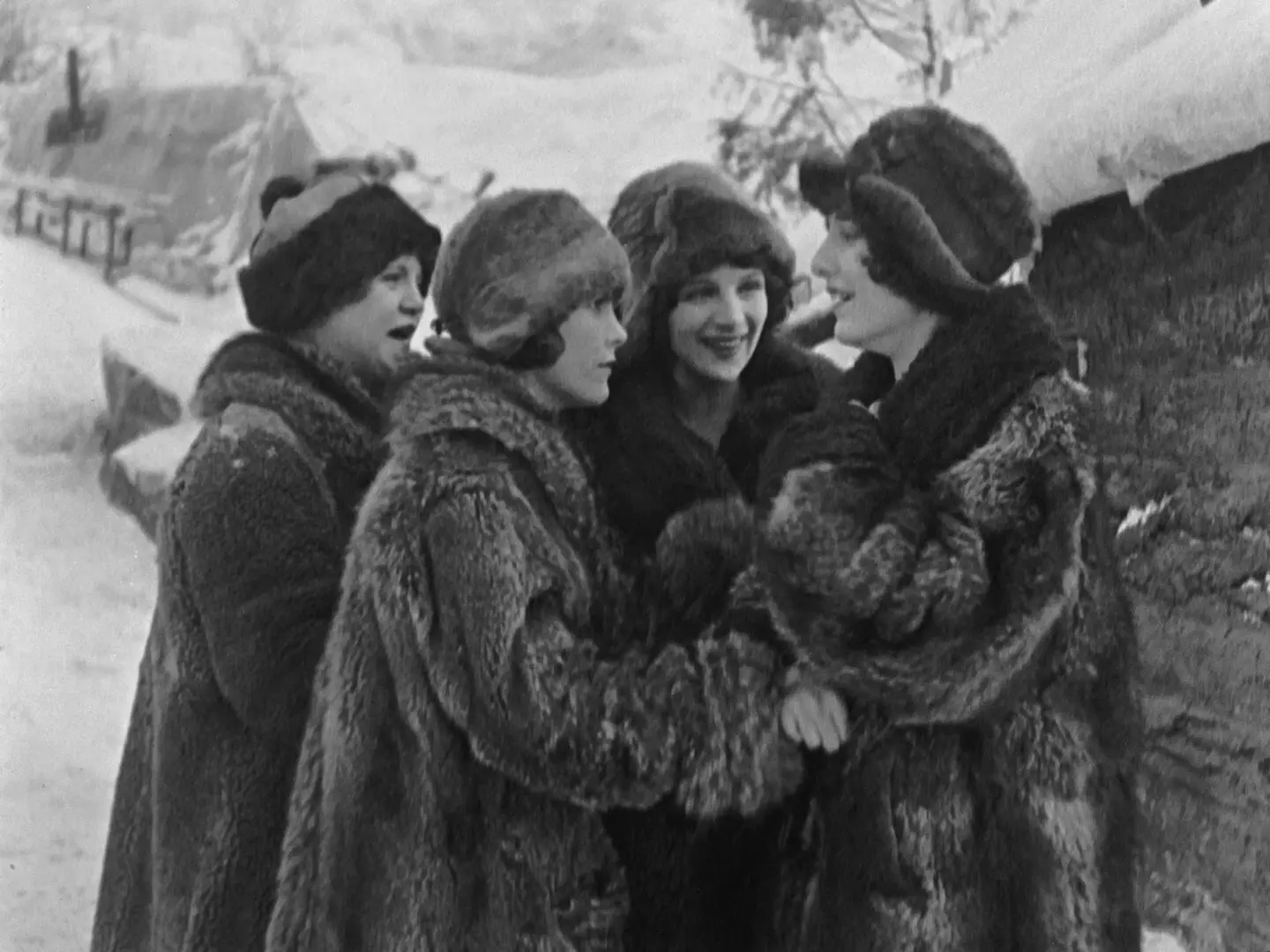
When the action shifts to the boomtown, the film introduces its emotional core: Georgia Hale. As the eponymous Georgia, she brings a modern, nuanced sensibility to the role of the dance hall girl. Unlike the archetypal heroines in Two-Gun Betty or the exoticized portrayals in The Jungle Child, Hale’s Georgia is a woman of agency and hidden depths. Her initial interest in the Tramp is born of a desire to pique her arrogant suitor, Jack, but it evolves into something far more complex.
The New Year’s Eve sequence is the film’s emotional zenith. The Tramp’s meticulous preparations for a dinner that will never be attended is a crushing display of social isolation. His dream of the "Oceana Roll" dance—performed with forks and bread rolls—is a moment of pure cinematic magic. It represents the Tramp’s internal world: a place of joy, rhythm, and connection that the external world constantly denies him. This juxtaposition of the internal dream and the external reality is a theme explored with less subtlety in The Inner Voice, but here it attains a universal resonance.
The climax of the film, involving the cabin teetering on the edge of a precipice, is a marvel of practical effects. The tension is palpable, and the physical comedy required to navigate a shifting floor is executed with breathtaking timing. It echoes the high-stakes peril of Mutiny, yet Chaplin keeps the tone buoyant. The resolution, which sees the Prospector finally achieving the wealth he sought, feels earned rather than opportunistic. It is a subversion of the tragic tropes found in Lest We Forget, offering a rare moment of triumph for the perennial underdog.
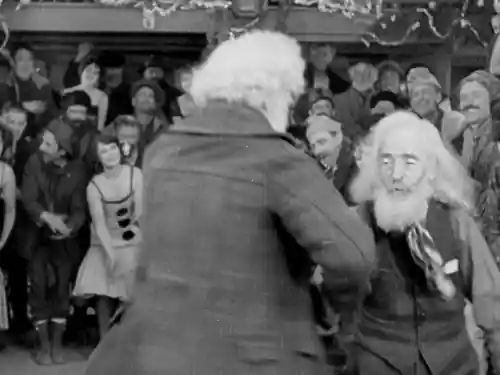
While some critics of the era might have preferred the continental sophistication of A napraforgós hölgy, Chaplin’s work has a rugged, democratic appeal that transcends borders. The Gold Rush is not just a story about the American dream; it is about the global human condition. The film’s pacing is impeccable, never lingering too long on a gag or a moment of pathos, ensuring a rhythmic flow that keeps the audience engaged throughout its duration. This is a stark contrast to the often uneven pacing of Australia's Own.
In the broader context of Chaplin's filmography, The Gold Rush stands as the moment he fully mastered the feature-length format. He moved beyond the episodic nature of his earlier shorts to create a cohesive, thematic journey. The film deals with heavy subjects—cannibalism, poverty, and abandonment—yet it does so with a lightness that never feels dismissive. It shares a certain survivalist spirit with Miss Crusoe, but Chaplin adds a layer of social commentary that is uniquely his own.
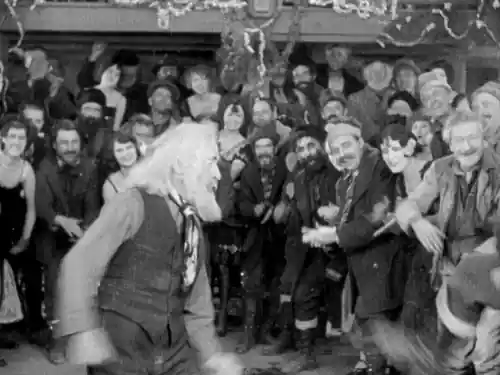
The legacy of this film is written in the DNA of every comedy-drama that followed. Its influence is seen in the way filmmakers balance tone, using humor to make the unbearable palatable. The image of the Tramp, now a multi-millionaire in furs, still feeling the pull of his humble origins, is a powerful closing image. It suggests that while gold can change one’s circumstances, it cannot alter the fundamental essence of the soul. Chaplin’s Yukon odyssey remains a beacon of silent cinema, a testament to the power of a flickering image to evoke the full spectrum of human emotion without uttering a single word.
Ultimately, The Gold Rush is a symphony of the spirit. It reminds us that even in the coldest winters of our lives, there is a warmth to be found in the most unexpected places—be it in a shared boot or the fleeting smile of a stranger in a crowded dance hall. It is, and shall remain, an indispensable pillar of the cinematic canon.
IMDb —
1930
Community
Log in to comment.