DbcultAccessing Vault...
Cult Review
Senior Film Conservator
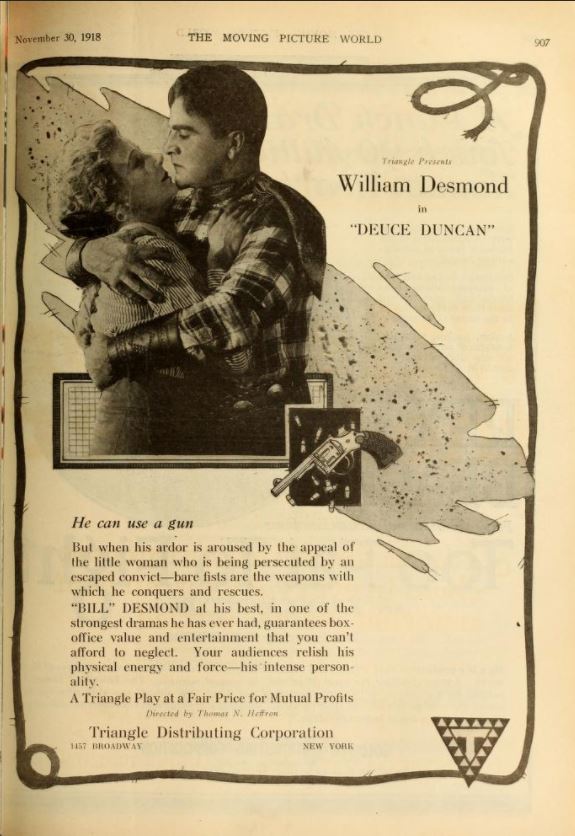
The Western, as a genre, often functions as a grand canvas for exploring the elemental forces of human nature: love, betrayal, justice, and the relentless pursuit of freedom against a backdrop of untamed wilderness. In this rich tradition, the 1922 silent epic, Deuce Duncan, stands as a compelling, albeit sometimes overlooked, testament to the genre's enduring power. Directed by George Hively and featuring a stellar cast led by Joseph Singleton and Louella Maxam, this film transcends its era, offering a narrative tapestry woven with intricate emotional threads and stark moral dilemmas. It’s more than just a tale of cowboys and rustlers; it’s a profound examination of identity, the corrosive power of deceit, and the redemptive strength of genuine affection.
At the narrative's emotional core is Ann Tyson, portrayed with remarkable nuance by Louella Maxam. Her journey begins not with a flourish, but with a quiet, determined departure from a humble cabin, embarking westward in search of a familial connection long severed. Fifteen years have passed since she last saw her brother, John, imprisoned for a crime he steadfastly maintained he did not commit. This initial premise immediately imbues Ann with a profound sense of hope and vulnerability; she is a woman yearning for a familial anchor in a world that promises little stability. Her decision to venture into the untamed West, a domain often hostile to solitary figures, speaks volumes about her inherent resilience and the depth of her longing. Upon arrival, she finds employment as a barmaid in a local saloon, a common yet precarious position for women in frontier towns. Maxam imbues Ann with a quiet dignity, conveying the weariness of her past and the burgeoning hope for her future without relying on melodramatic gestures. Her portrayal is a masterclass in understated emotion, allowing the audience to truly empathize with her quest for belonging.
The character of John, initially presented as a figure of sympathy—a man wronged by an unjust system—undergoes a chilling transformation that forms the crux of the film's dramatic tension. George Field delivers a performance that skillfully navigates this treacherous arc, subtly hinting at John's darker nature before his full depravity is unleashed. The initial reunion, steeped in Ann’s hopeful anticipation, gradually sours as John’s true colors emerge. His association with Clements, the nefarious head of the cattle rustlers, is a red flag that Deuce, despite his silence, cannot ignore. This criminal element is not just a backdrop; it’s intrinsically linked to John’s character, revealing his opportunistic and morally bankrupt core. The turning point arrives in a scene of raw, visceral intensity: a drunken John, his inhibitions eroded by alcohol, unleashes a torrent of venom upon Ann. It is here that the film delivers its most shocking revelation: he is not her brother at all. This impostor, driven by a twisted desire for control and perhaps Ann’s perceived resources, demands her hand in marriage, transforming the narrative from a story of familial reunion into a chilling tale of entrapment and psychological abuse. The sudden pivot from perceived sibling affection to violent, coercive demand is a masterstroke in dramatic irony, leaving the audience reeling alongside Ann. This theme of a returning figure with sinister intentions, masquerading as a long-lost loved one, echoes the ancient anxieties explored in narratives like The Prodigal Son, albeit with a far more malevolent twist. Here, the 'prodigal' is not merely lost but actively predatory. Field’s portrayal of this descent into villainy is compelling, showcasing the insidious nature of deceit and the profound shock of discovering that the person you trusted is an elaborate lie. It forces Ann, and the audience, to confront the uncomfortable truth that sometimes, the most dangerous threats come from within the presumed safety of family.
The undercurrent of lawlessness, personified by Clements and his gang of cattle rustlers, serves as more than just a subplot; it is the volatile environment that enables John’s deception and ultimately dictates his fate. Clements, though not always at the forefront, is a constant, menacing presence, a grim reminder of the frontier’s inherent dangers. His dealings with John are what first raise Deuce’s suspicions, binding the personal drama of Ann’s predicament to the larger struggle for order in a chaotic land. The rustling operation itself represents the raw, untamed greed that often characterized the darker side of the West, where resources were scarce and justice often took a back seat to opportunism. The supporting cast, including William Desmond, William Ellingford, and Ed Brady, effectively flesh out this dangerous world, contributing to the palpable sense of threat that permeates the narrative. Their presence underscores the fragility of life and the constant vigilance required to survive in such an unforgiving landscape.
The film hurtles towards a dramatic and profoundly satisfying climax. The scene in Ann’s cabin is a masterclass in building tension. John’s drunken confession and subsequent violent assault on Ann is a moment of stark horror, amplified by Maxam’s terrified performance. Just as Ann’s situation appears most dire, Deuce, ever the vigilant protector, bursts onto the scene, a beacon of hope and righteous fury. His intervention is both heroic and perfectly timed, preventing a tragedy that would have irrevocably broken Ann. However, the true stroke of genius in Hively’s direction comes immediately after. As Deuce grapples with John, Clements, the architect of the rustling operation, appears from the shadows. His presence is not for Deuce or Ann, but for John, whose involvement in the rustling scheme has evidently reached a breaking point. With a swift, brutal shot, Clements dispatches John, a moment of startling finality that serves as a grim, yet ironically fitting, form of poetic justice. The impostor, the betrayer, meets his end not at the hands of the wronged hero, but from the very criminal element he embraced. This unexpected twist elevates the resolution beyond simple hero-saves-damsel to a more complex exploration of cause and effect, where a character's moral failings ultimately lead to his demise through the very forces he sought to exploit. The lingering image of Deuce comforting a shattered Ann, the impostor’s body a stark testament to the wages of sin, offers a powerful, albeit melancholic, sense of closure.
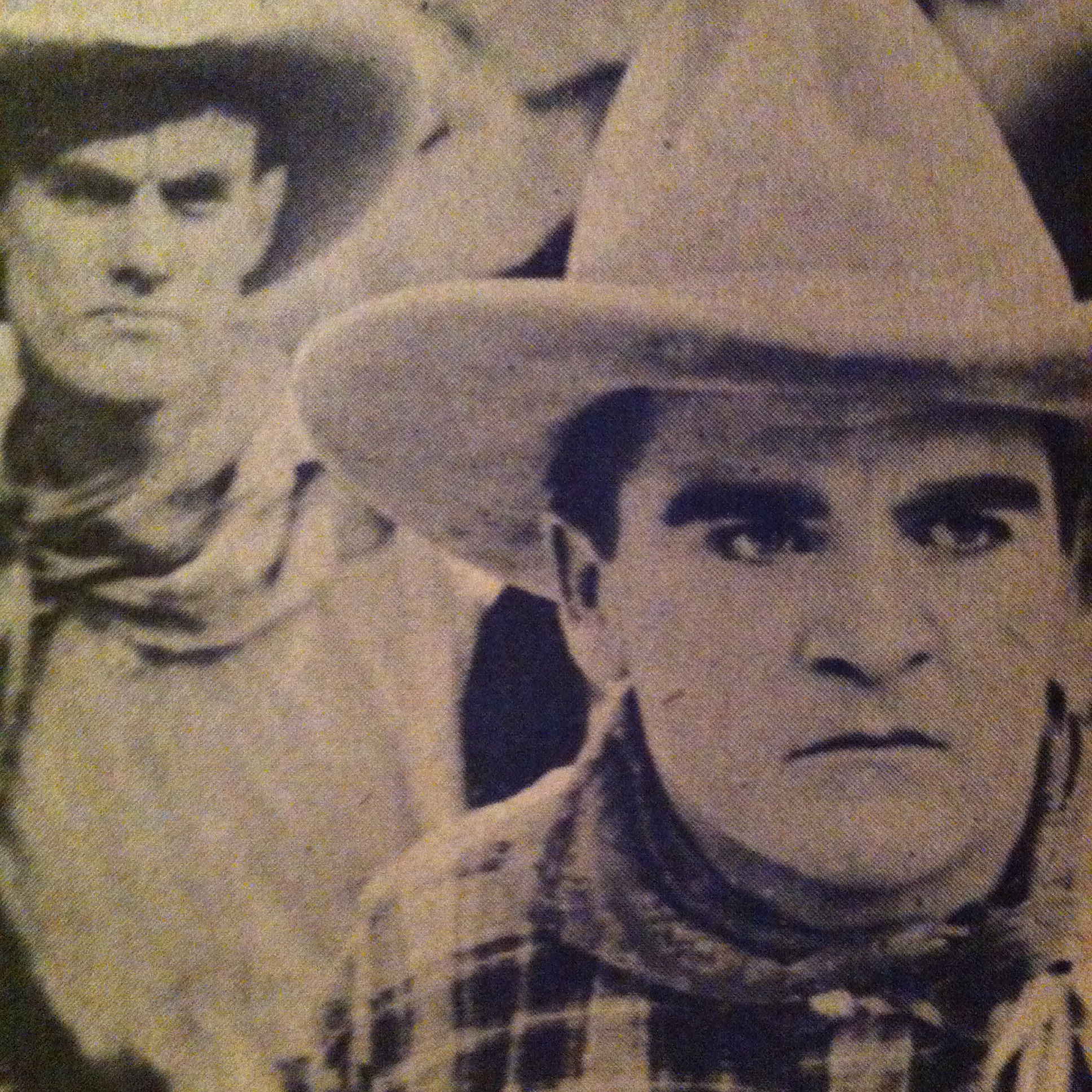
George Hively’s directorial hand is evident throughout Deuce Duncan, guiding the complex narrative with a steady pace and a keen eye for visual storytelling. He masterfully blends the wide, sweeping vistas of the Western landscape, emphasizing both its beauty and its inherent dangers, with intimate close-ups that convey the raw emotion of his characters. The pacing is deliberate, allowing the tension to simmer and build, particularly in the lead-up to John’s shocking revelation and the subsequent climax. Hively understood the power of the silent medium, relying on strong visual compositions and the expressive capabilities of his actors to communicate the story’s intricate emotional beats. His ability to choreograph action sequences, like Deuce’s timely arrival, with a sense of urgency and impact, further solidifies his craftsmanship. Compared to some of his contemporaries, Hively demonstrates a nuanced approach to character development, allowing the audience to witness the gradual erosion of trust and the devastating impact of betrayal. His direction ensures that even amidst the genre’s familiar tropes, Deuce Duncan feels fresh and emotionally resonant, a testament to thoughtful filmmaking.
In conclusion, Deuce Duncan stands as a powerful example of early Western cinema that transcends mere genre classification. It is a compelling drama, a poignant romance, and a stark exploration of human deception and redemption, all set against the iconic backdrop of the American frontier. The film’s strength lies in its well-crafted narrative, the nuanced performances of its lead actors, particularly Joseph Singleton and Louella Maxam, and George Hively’s assured direction. While it may not always receive the same recognition as some other silent Westerns, its thematic depth and dramatic intensity ensure its enduring relevance. For aficionados of classic cinema and those seeking a Western with genuine emotional gravitas and a surprisingly dark core, Deuce Duncan is a film well worth rediscovering. It reminds us that even in the most rugged landscapes, the battles of the heart and soul are often the most fierce and memorable.
For more insights into the compelling dramas of the silent era, you might find a review of The Fighting Hope or The Folly of Sin equally intriguing, as they too explore the complexities of human morality and the quest for justice in challenging times.
IMDb —
1933
Community
Log in to comment.