DbcultAccessing Vault...
Cult Review
Senior Film Conservator
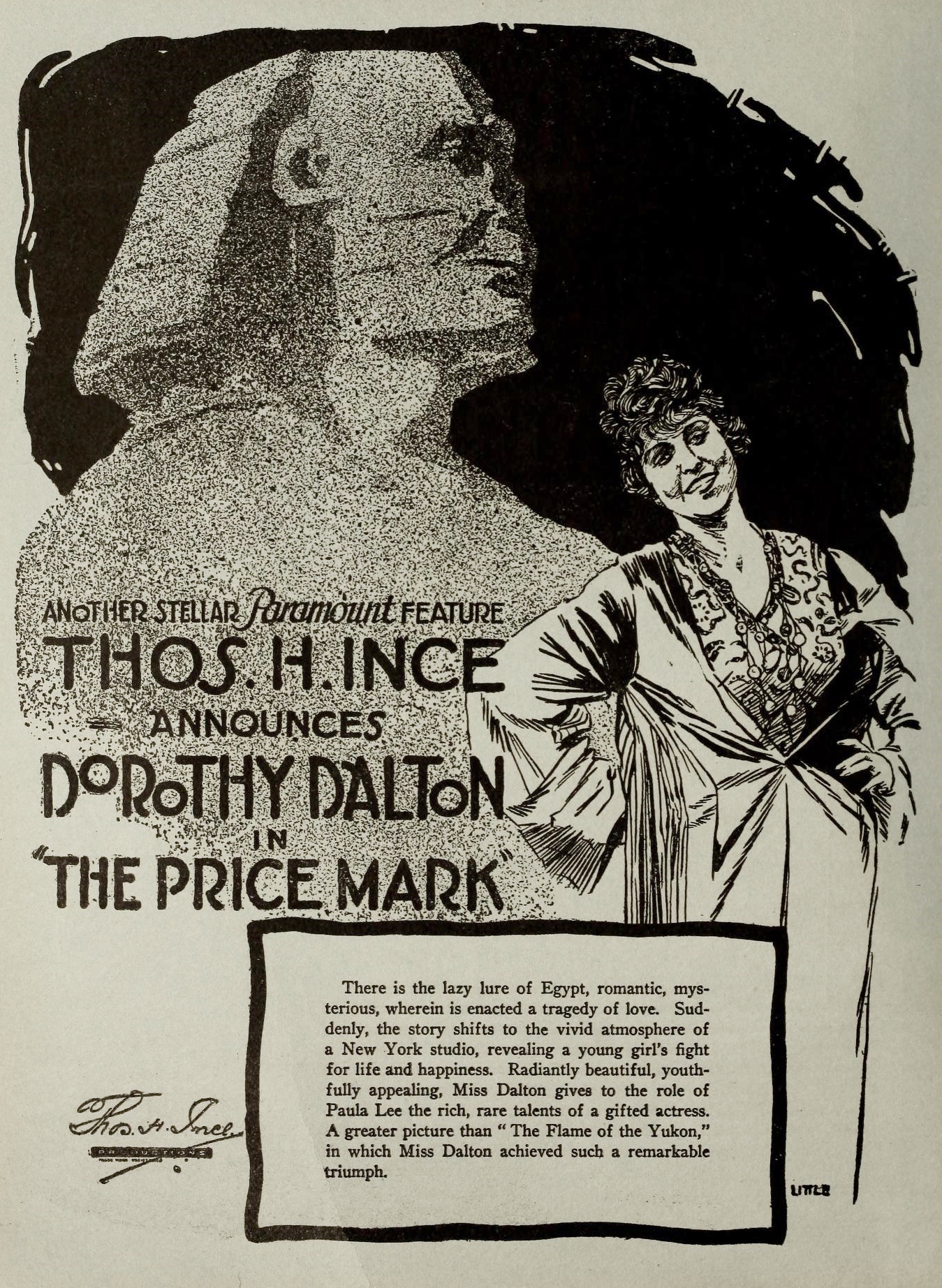
Stepping into the world of early cinema, one often finds narratives that, despite their age and the absence of spoken dialogue, resonate with a profound emotional intensity that transcends time. Such is the case with The Price Mark, a compelling drama from 1917 that, even a century later, continues to provoke thought on themes of honor, societal expectation, and the intricate dance of human relationships. Directed with an acute understanding of visual storytelling, this film, starring the luminous Dorothy Dalton, is far more than a relic; it is a vibrant testament to the power of silent film to convey complex moral dilemmas and the rawest of human emotions.
At its core, The Price Mark is a narrative of a woman’s struggle against the societal constraints and personal betrayals that threaten to define her. Paula Lee, portrayed with a compelling blend of vulnerability and nascent strength by Dorothy Dalton, is introduced to us in a state of profound dishonor. The architect of her initial downfall is the celebrated artist, Fielding Powell, a character brought to life by Thurston Hall with a chilling blend of charm and insidious malice. Powell’s artistic genius is matched only by his moral depravity, and Paula, a struggling model, finds herself trapped in a relationship born of coercion and societal condemnation. This initial phase of her life is painted with strokes of quiet desperation, a forced resignation to a fate she never chose, echoing the plight of many women in melodramas of the era, such as those explored in Should a Wife Forgive? or The Innocence of Ruth. These films frequently grappled with the severe judgments placed upon women who deviated, willingly or unwillingly, from prescribed moral paths.
A crucial misunderstanding, the nature of which is left to the audience's implication but serves as a pivotal narrative device, leads to Paula's separation from Powell. This provides her with a fragile reprieve, a chance to rebuild a life free from his oppressive influence. It is during this period that she encounters Dr. Melfi, portrayed by Edwin Wallock, a man of integrity and compassion. Their burgeoning romance and subsequent marriage offer Paula a glimpse of genuine happiness and stability, a stark contrast to the tumultuous existence she endured with Powell. Wallock imbues Melfi with a gentle earnestness, making his character a beacon of hope for Paula and, by extension, for the audience. Their union symbolizes a fresh start, a triumph of love over past trauma, suggesting a path to redemption and societal acceptance that was often denied to women in similar cinematic scenarios. The film, through Paula's journey, subtly questions the permanence of a woman's 'dishonor,' daring to imagine a future where past mistakes or forced compromises do not eternally define one's worth.
However, the tranquility is short-lived. The narrative skillfully employs the trope of the past returning to haunt the present, a common yet effective device in melodramatic storytelling. Powell, unexpectedly, pays a visit to his old friend, Dr. Melfi. The dramatic tension escalates palpably when Paula is introduced as Melfi’s wife. Thurston Hall’s performance as Powell in this moment is particularly noteworthy; his astonishment quickly morphs into a predatory gleam, a recognition of an opportunity to reassert his control. The film masterfully uses close-ups and dramatic expressions, typical of silent era acting, to convey the shift in Powell’s demeanor, signaling the impending doom for Paula’s fragile peace. This scene is a masterclass in silent film acting, relying on nuanced facial expressions and body language to communicate the complex emotional undercurrents.
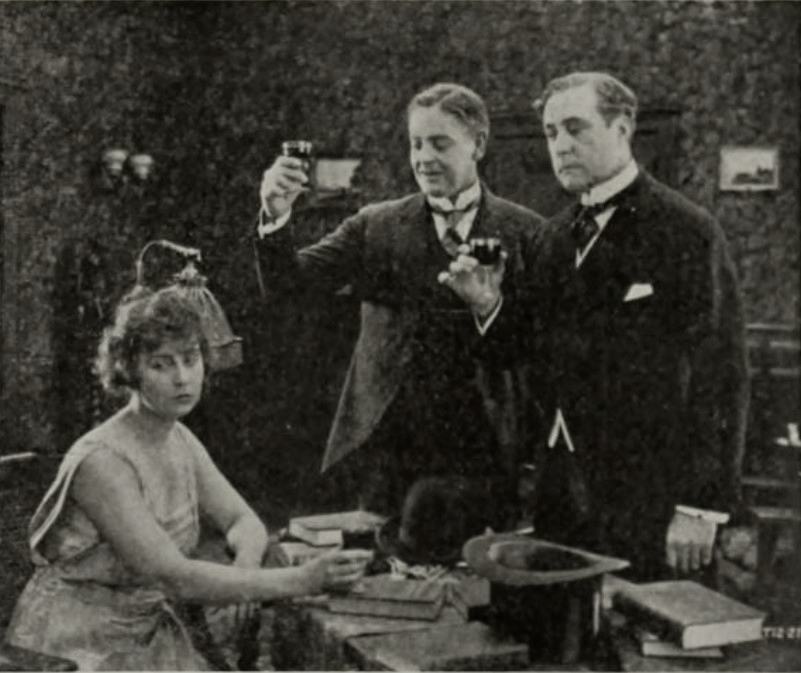
Powell's re-entry into Paula's life is not merely a chance encounter; it is a calculated act of psychological warfare. His 'old desires aroused,' he wastes no time in leveraging his knowledge of their past relationship. He forces a promise from Paula to visit him that night, a promise extracted under duress and the implicit threat of exposure. The film expertly builds suspense around this forced rendezvous, highlighting Paula's agonizing predicament. Her happiness, her marriage, her very reputation, all hang precariously in the balance, threatened by the malevolent will of one man. This aspect of the plot delves into the deep-seated fears of social ostracization prevalent in the early 20th century, particularly for women whose pasts were deemed scandalous. The 'price mark' of her past is now being demanded, an extortion that threatens to dismantle her carefully constructed new life.
In the confines of Powell’s home, the demand is laid bare: their old relationship must continue as the price of his silence. This scene is charged with a suffocating sense of dread, as Paula’s desperate attempts to escape are met with Powell’s unrelenting grip. Dalton’s portrayal of Paula’s terror and defiance is captivating, drawing the audience into her struggle. The physical struggle between them is not merely a dramatic device; it symbolizes Paula’s fight for her autonomy, her right to a future unburdened by Powell’s past transgressions. It is a powerful moment that underscores the patriarchal power dynamics of the era, where a woman's agency could be so easily threatened and undermined.
Just as the situation reaches its terrifying zenith, an unexpected intervention shatters the tense standoff. Melfi’s servant, a character whose presence up to this point might have seemed peripheral, steps into the spotlight with a motive deeply rooted in personal vengeance. Edward Peil Jr. or William Conklin, possibly portraying this pivotal character, would have conveyed the quiet intensity of a man nursing a long-held grievance. Powell, it is revealed, had previously destroyed the honor of the servant’s sister, adding another layer to the artist’s already established villainy. This act of personal retribution, swift and brutal, provides a shocking climax to the narrative. The servant, driven by a desire to avenge his sister’s lost honor, plunges a knife into Powell’s heart, bringing an abrupt and violent end to the artist’s reign of terror. This moment, while perhaps melodramatic by modern standards, would have resonated deeply with contemporary audiences, tapping into prevalent notions of honor, justice, and the consequences of moral transgressions. It’s a moment that could be compared to the dramatic, often violent, resolutions found in films like Man and His Soul or The Prodigal Son, where moral failings often led to dire consequences.
Dr. Melfi, summoned to the scene, arrives in time to witness Powell’s final moments. In a dying breath, Powell utters a confession, an admission of his culpability in Paula’s initial predicament, thereby absolving her and revealing the full extent of his manipulative nature. This eleventh-hour confession is a classic dramatic device, serving to tie up loose ends and provide a measure of justice, even if posthumous. It ensures that Paula’s innocence is publicly, or at least privately to Melfi, affirmed, clearing her name and securing her future. This resolution, while convenient, offers a poignant commentary on the film's title; the 'price mark' was not just the cost of silence, but the ultimate price paid by the villain for his transgressions, and the near-fatal cost to Paula's life and happiness.
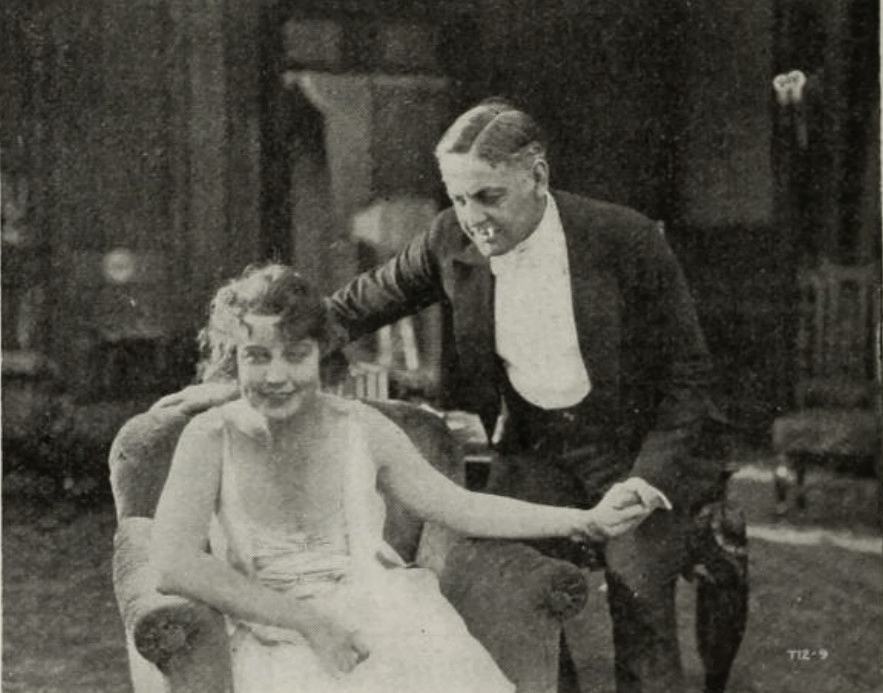
The strength of The Price Mark lies not just in its dramatic plot, but in the compelling performances of its cast. Dorothy Dalton, as Paula Lee, carries the emotional weight of the film with remarkable grace and intensity. Her ability to convey profound sorrow, fear, defiance, and eventual relief without uttering a single word is a testament to her skill as a silent film actress. Her expressive eyes and nuanced body language speak volumes, making her character’s journey deeply empathetic. Thurston Hall’s portrayal of Fielding Powell is equally impactful; he crafts a villain who is both charmingly sophisticated and utterly repugnant, a complex antagonist whose evil is all the more chilling for its subtlety. Edwin Wallock, as Dr. Melfi, provides a necessary counterpoint to Powell’s darkness, embodying sincerity and moral uprightness. The supporting cast, including Edward Peil Jr., William Conklin, Adele Farrington, Clio Ayres, and Dorcas Matthews, contribute to the film's rich tapestry, each playing their part in the intricate web of relationships and conflicts. The film's writer, John B. Ritchie, deserves commendation for crafting a narrative that, while adhering to the conventions of the era, still manages to deliver unexpected twists and turns, maintaining audience engagement throughout.
The direction of The Price Mark, while uncredited in the provided details, showcases a keen understanding of cinematic language. The use of intertitles is judicious, providing necessary exposition without interrupting the flow of visual storytelling. The cinematography, though perhaps rudimentary by modern standards, effectively uses lighting and composition to enhance mood and emphasize character emotions. The pacing is deliberate, allowing the tension to build organically, culminating in a satisfying, if tragic, resolution. The film's overall aesthetic, typical of the period, relies on stark contrasts and dramatic staging to communicate its themes. The production values, for a film of its time, appear solid, creating a believable world for its characters to inhabit. The ability of silent films to convey such intricate plots and deep emotional resonance with only visuals and musical accompaniment (which we can only imagine now) is truly remarkable. It highlights a form of artistic expression that demanded a different kind of engagement from both creators and audiences, focusing on universal human experiences rather than dialogue specifics.
Beyond the surface-level melodrama, The Price Mark offers rich thematic material. It explores the precarious nature of a woman’s reputation in a society obsessed with honor and purity. Paula’s initial 'dishonor' is a brand that threatens to follow her indefinitely, highlighting the double standards prevalent at the time. The film questions whether one can truly escape a tainted past, or if the 'price mark' of previous transgressions will always demand payment. Her journey from victim to survivor, albeit one whose salvation comes from an external, violent act, speaks to the limited agency afforded to women in such narratives. It implicitly asks: what is the true cost of silence? What is the price of a second chance? And what justice can be found when societal norms fail to protect the innocent?
The film also touches upon themes of class and power dynamics, with the wealthy and influential artist Powell exploiting those beneath him, including the struggling model and the servant’s sister. The servant’s act of vengeance, while extreme, can be interpreted as a desperate attempt to reclaim dignity and justice for the marginalized. This echoes sentiments found in other films that explored social injustices, such as The Chimney Sweeps of the Valley of Aosta, which might have highlighted the struggles of the working class, albeit in a different context. The ultimate confession by Powell, though convenient, serves a crucial moral purpose, ensuring that the audience leaves with a clear understanding of who bore the true guilt, a narrative closure that was often sought in moralistic tales of the era. The moral compass of the film, guided by John B. Ritchie's screenplay, ultimately points towards the triumph of justice, even if achieved through violent means, ensuring that virtue is rewarded and vice punished.
In conclusion, The Price Mark stands as a fascinating example of early cinematic storytelling. It is a film that, despite its age, retains a potent emotional core and a relevant exploration of timeless themes. The performances, particularly from Dorothy Dalton and Thurston Hall, are captivating, demonstrating the enduring power of silent acting. For enthusiasts of silent cinema and those interested in the evolution of dramatic storytelling, this film offers a rich experience, a window into a bygone era of filmmaking that still has much to say about human nature, morality, and the indelible marks left by our pasts. It’s a compelling piece of cinematic history that warrants rediscovery and appreciation, proving that some stories, and the way they are told, truly transcend the ages, leaving an enduring 'price mark' on the heart of the viewer.
IMDb 6.1
1932
Community
Log in to comment.