DbcultAccessing Vault...
6.1/10
Senior Film Conservator
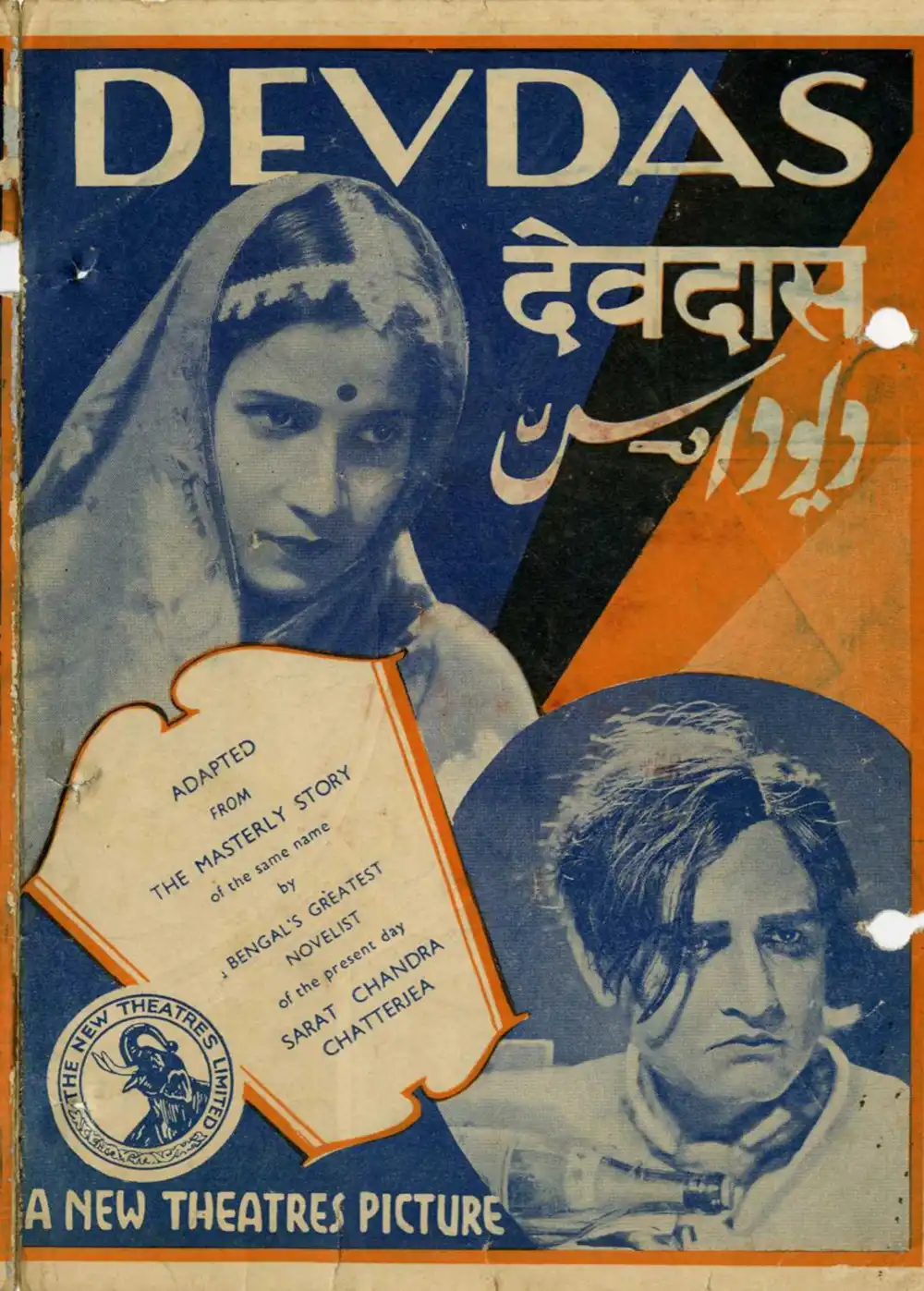
A definitive 6.1/10 rating for a film that redefined the boundaries of cult cinema. Devdas remains a cornerstone of transgressive art.
If you’re wondering if you should carve out some time for the 1935 Devdas, well, that depends. For film buffs, especially those fascinated by early Indian cinema or the original adaptations of classic novels, it’s a must-see. Anyone expecting a fast-paced, polished modern movie might find its pace a bit slow, perhaps even a touch stiff. This is the very first cinematic take on Sarat Chandra Chattopadhyay's tragic novel, a real piece of history.
Right from the start, you feel the age of it. The ‘theatrical ruggedness’ isn't just a phrase; it’s the whole vibe. Scenes often play out like they're on a stage, with actors moving with a certain deliberate rhythm. Sometimes the camera just sits there, watching, as a character delivers a long speech, and you can almost feel the stage lights on them. It’s a different kind of filmmaking.
Yet, the story itself, even in this early form, really grabs you. The screenplay is surprisingly solid, especially considering the era. The beats of Devdas's downward spiral, his longing for Parvati, and his tragic relationship with Chandramukhi, they all land. You don't get lost in the plot, which is good.
There’s a clear 'Bengali touch' to the whole thing. A certain kind of deep, often melancholic emotion just permeates the screen. Usha Rani, as Parvati, has this quiet intensity, even when her gestures are a bit grander than what we're used to today. Her eyes, they really sell the heartbreak.
Kanak Narayan Bhup as Devdas, he carries the burden of the character pretty well. You see him go from a proud young man to someone completely lost. One particular moment, when he just stares off into the middle distance, after another setback, it really sticks with you. It’s not flashy acting, but it’s earnest.
The film isn't afraid to let moments breathe, sometimes to a fault. There are scenes that probably go on a good 15-20 seconds longer than a modern editor would allow. You sometimes find yourself leaning forward, waiting for a cut that just doesn't come. But in those silences, you do get a deeper sense of the characters' internal struggles.
And some of the visual storytelling, even with limited technology, is quite effective. The contrast between Devdas’s grand, empty house and the bustling world he sometimes tries to escape to, it’s not subtle, but it works. It really highlights his isolation.
It’s important to remember this is a pioneer. You see glimpses of what would become staples of Indian cinema – the heightened emotion, the focus on complex relationships, the tragic hero. It's like watching the blueprint for so much that came after.
Sure, the sound quality is a little rough sometimes, and you might hear a bit of crackle, but that just adds to the charm. It makes you feel like you're watching a precious artifact. The crowd scenes, when they happen, are surprisingly full of life, not just static backdrops.
This Devdas might not be for everyone today. It asks for a certain patience, a willingness to meet it on its own terms. But if you give it that, you’ll find a powerful story, told with an honesty that still resonates, even after all these years. It’s a foundational piece, no doubt about it. A real peek into cinema's past.
IMDb 6.2
1928
Community
Log in to comment.