DbcultAccessing Vault...
Cult Review
Senior Film Conservator
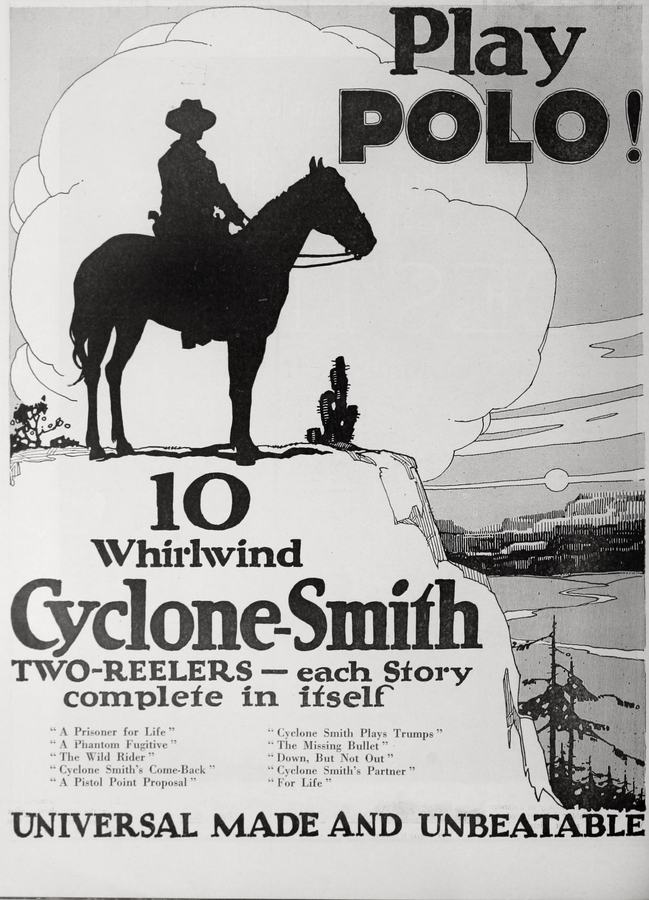
Stepping back into the roaring twenties of cinema, we encounter a relic that pulsates with the raw energy characteristic of its era: 'The Wild Rider'. This silent film, a creation from the collective minds of Milton Moore, George Hively, and Jacques Jaccard, is more than just a moving picture; it's a vibrant tapestry woven with threads of adventure, peril, and the unwavering spirit of its characters. At its heart lies a narrative propelled by the audacious kidnapping of Eileen, an event that casts a long shadow over the proceedings and sets in motion a chain of events that are as thrilling as they are dramatic. The film, starring the indomitable Eddie Polo and the captivating Eileen Sedgwick, alongside a robust ensemble including Jack Perrin, J. Edwin Brown, Charles Hill Mailes, and Chick Morrison, encapsulates a particular brand of early cinematic storytelling that relied heavily on visual dynamism and visceral emotion to convey its intricate plot.
The central dramatic pivot, Eileen's abduction, is handled with a stark simplicity that belies its profound impact. It is not just an incident but the very crucible through which the film's themes of courage, resilience, and justice are forged. Sedgwick, in her portrayal of Eileen, manages to imbue the character with a quiet strength, even in her moments of vulnerability, transcending the typical 'damsel in distress' archetype that often plagued films of this period. Her struggle is palpable, her fear understandable, yet there's an underlying defiance that hints at a spirit unbroken. This pivotal act serves not only as a narrative engine but also as a moral compass, clearly delineating the forces of good and evil within the film's world. The writers, Moore, Hively, and Jaccard, craft a scenario that, while perhaps straightforward by modern standards, was exceptionally effective in eliciting strong audience reactions in its time, demonstrating a clear understanding of sequential narrative and heightened emotional stakes. The urgency of her predicament is a constant, driving force, ensuring that the audience remains tethered to the unfolding drama, eagerly anticipating her eventual rescue.
When one speaks of 'The Wild Rider', it is impossible not to immediately think of Eddie Polo. Polo was a titan of silent cinema, renowned for his daring stunts and athletic prowess, a true action hero before the term was even fully conceptualized. His presence in this film is nothing short of electrifying. He doesn't merely act; he embodies a force of nature, a relentless pursuer of justice whose physical capabilities are matched only by his unwavering moral compass. His performance is a masterclass in silent film acting, where every gesture, every facial expression, and every acrobatic feat speaks volumes without uttering a single word. He projects an aura of rugged heroism, a man capable of overcoming any obstacle, whether it be a treacherous landscape or a cadre of nefarious villains. This commitment to physical performance often put him in a league with other action-oriented stars of the era, though Polo carved out his own niche with a particular brand of gritty realism. His pursuit of Eileen's captors is a relentless odyssey, a testament to his character's dedication and Polo's own incredible endurance. It’s a performance that anchors the film, providing a compelling focal point for the audience’s hopes and anxieties.
The visual language of 'The Wild Rider' is a testament to the sophisticated artistry of silent filmmaking. Directors of this period were masters of conveying complex emotions and intricate plot points through purely visual means. Here, the cinematography, while perhaps not groundbreaking by today's standards, effectively captures the expansive landscapes and the frenetic energy of the chase sequences. The film's pacing is remarkably effective, alternating between moments of intense action and quieter, more suspenseful scenes, building tension with a methodical precision. The use of intertitles, while a necessary component of silent cinema, is judiciously applied, providing crucial exposition without bogging down the visual flow. The editing, too, plays a vital role in maintaining the film's kinetic energy, particularly during the numerous pursuit scenes where quick cuts heighten the sense of urgency and danger. This careful balance ensures that the audience remains fully immersed in the narrative, following every twist and turn with bated breath. This attention to pacing is crucial for a film of its genre; much like The Little Girl That He Forgot, which also relied on a compelling narrative drive to engage its audience, 'The Wild Rider' understands that sustained momentum is key to its success.
Beyond the central duo, the supporting cast plays a crucial role in fleshing out the world of 'The Wild Rider'. Jack Perrin, J. Edwin Brown, Charles Hill Mailes, and Chick Morrison each contribute to the film's rich ensemble, portraying characters who are either allies in the quest for justice or the nefarious figures obstructing it. Their performances, often characterized by broad gestures and exaggerated expressions typical of the era, nonetheless convey distinct personalities and motivations. The villains, in particular, are crafted to be suitably menacing, providing a tangible threat that elevates the stakes of Eileen's kidnapping. Their malevolence is often conveyed through their actions rather than dialogue, a common trope in silent cinema where visual cues were paramount. The interactions between these characters, whether in conflict or collaboration, add layers to the narrative, preventing it from becoming a mere two-hander between hero and victim. The dynamic between the hero and the antagonists is a classic setup, reminiscent of the clear-cut good-versus-evil narratives found in many early films, including those like Beauty and the Rogue, where character archetypes often defined the dramatic conflict.
At its core, 'The Wild Rider' is a quintessential tale of peril and pursuit. It explores the primal fear of loss and the relentless drive to reclaim what is precious. The kidnapping of Eileen is not just a plot device; it's a thematic anchor, allowing the film to delve into concepts of vulnerability, courage, and the often-brutal realities of a world where law and order are constantly challenged. The chase sequences, often a highlight of Eddie Polo's films, are more than mere spectacle; they symbolize the unyielding struggle against injustice. The film posits a world where personal heroism is the primary bulwark against chaos, a notion that resonated deeply with audiences of the time. This thematic exploration of relentless pursuit and the triumph of good over evil is a timeless motif, found in various forms across cinematic history, from early serials to modern blockbusters. The sheer determination displayed by the protagonists in the face of overwhelming odds is a powerful message, one that transcends the limitations of its silent format and speaks to universal human experiences.
Examining 'The Wild Rider' also offers a fascinating window into the production values and technical capabilities of early 20th-century filmmaking. The practical stunts, often performed by Polo himself, speak to an era before extensive special effects, where authenticity and physical daring were paramount. The sets, whether constructed or natural, are utilized effectively to create a believable, if somewhat stylized, world. The costumes reflect the period, adding another layer of historical immersion. While the technology was rudimentary compared to what we have today, the filmmakers of 'The Wild Rider' demonstrated an impressive ingenuity in maximizing their resources to create a compelling visual experience. The use of natural light and on-location shooting, particularly in the outdoor sequences, lends an organic feel to the film, grounding the fantastical elements of the plot in a recognizable reality. This approach to production, relying on ingenuity and practical execution, stands in stark contrast to the CGI-heavy productions of today, offering a refreshing perspective on cinematic creation. It's a reminder of the foundational techniques that paved the way for more complex filmmaking, much like how Gira política de Madero y Pino Suárez provides a historical snapshot of its time through its raw, documentary style.
'The Wild Rider' fits comfortably within the tradition of silent film serials and action-adventure narratives that captivated audiences of the era. These films, often released in episodic form, relied on cliffhangers and continuous excitement to keep viewers returning week after week. While 'The Wild Rider' may not have been a serial in the strictest sense, it shares the DNA of those thrilling episodic tales, prioritizing action, suspense, and heroic derring-do. Eddie Polo, with his athletic charisma, was perfectly suited to this genre, establishing a blueprint for future action stars. His legacy, and that of films like 'The Wild Rider', lies in demonstrating the universal appeal of stories centered around a protagonist's unwavering commitment to justice and the thrilling spectacle of physical triumph over adversity. These foundational narratives laid the groundwork for countless action films that followed, proving that a compelling hero and a clear mission are timeless ingredients for cinematic success. One could even draw parallels to the enduring appeal of determined characters in films like Far from the Madding Crowd, where strong personalities navigate complex challenges, albeit in a different genre. The sheer dedication of Polo's character in 'The Wild Rider' resonates with the resilience seen in various cinematic heroes across different epochs.
Viewing 'The Wild Rider' through a contemporary lens offers a unique perspective on the evolution of cinema. While some elements might appear quaint or melodramatic to modern eyes, the film's intrinsic entertainment value remains undeniable. Its straightforward narrative, clear character motivations, and reliance on visual storytelling offer a refreshing counterpoint to the often-complex, dialogue-heavy films of today. It serves as a valuable historical document, showcasing the nascent stages of cinematic grammar and the powerful impact of a well-executed action sequence. For film historians and enthusiasts, it provides crucial insights into the popular entertainment of the 1920s and the star power of figures like Eddie Polo. Furthermore, it reminds us of the universal appeal of a good story, regardless of the technological limitations of its creation. The enduring themes of heroism, sacrifice, and the fight against injustice are as relevant today as they were a century ago, making 'The Wild Rider' more than just a historical curiosity; it's a testament to the timeless power of cinematic narrative. Its visceral charm, despite the passage of decades, continues to captivate, much like other enduring silent classics that emphasize visual spectacle and emotional resonance, such as Kærlighed overvinder Alt, which also speaks to universal human emotions without spoken words. The directness of its emotional appeal is a quality that modern cinema often strives to recapture.
The true triumph of 'The Wild Rider' lies in its ability to communicate a gripping story purely through visual drama. In an era before synchronized sound, filmmakers were compelled to push the boundaries of visual expression, relying on dynamic camera work, expressive performances, and inventive editing to convey every nuance of the plot and character emotion. This film exemplifies that mastery, transforming the simple act of a kidnapping into a grand adventure filled with peril and heroic feats. The physicality of Eddie Polo, the vulnerability and resilience of Eileen Sedgwick, and the clear distinction between good and evil are all conveyed with striking clarity, inviting the audience to engage their imaginations more fully. It’s a powerful reminder that cinema’s fundamental strength lies in its capacity to show, not just tell. This emphasis on visual storytelling is a cornerstone of effective filmmaking, a principle that remains true even in the most technologically advanced productions. It underscores the timeless truth that a compelling visual narrative, regardless of its era, possesses the power to enthrall and transport its audience, a quality shared by many early cinematic works that focused on strong visual narratives, such as A Bunch of Keys, which also relied heavily on visual gags and action to drive its plot. The film's reliance on expressive body language and exaggerated gestures, while characteristic of silent cinema, nonetheless conveys a profound depth of feeling and intention, allowing the audience to intuit the characters' inner worlds.
While the performers often receive the lion's share of attention in silent films, the contributions of the writers and directors are equally, if not more, crucial. Milton Moore, George Hively, and Jacques Jaccard, the trio credited with the story, crafted a framework that was robust enough to support the high-octane action and emotional weight of 'The Wild Rider'. Their collective vision for Eileen's kidnapping and the subsequent pursuit provided the dramatic backbone for the entire production. Jaccard, in particular, was a prolific director and writer of adventure films and serials, and his understanding of pacing and spectacle is evident throughout. The narrative arc, from the initial act of aggression to the climactic resolution, is tightly constructed, ensuring that every plot point serves to advance the central conflict. This meticulous planning behind the scenes is what allows the on-screen heroics to truly shine, giving them context and meaning. Without a well-conceived script, even the most charismatic performers and impressive stunts would fall flat. The collaborative effort of these creative minds is what elevates 'The Wild Rider' beyond a simple action flick into a memorable piece of silent cinematic history, showcasing how foundational storytelling principles were established and refined in the early days of the industry. This foundational strength in writing is what allows a film to endure, much like the enduring narratives found in films such as The Country Mouse, which, despite its simpler premise, relies on a well-structured plot to deliver its message effectively.
In its entirety, 'The Wild Rider' is a captivating artifact from a bygone era, a film that speaks volumes about the popular tastes and storytelling conventions of its time. It’s a testament to the enduring appeal of simple, powerful narratives driven by compelling characters and high stakes. The kidnapping of Eileen, rather than being a mere plot point, becomes a prism through which we observe human courage, villainy, and the unyielding quest for justice. Eddie Polo's electrifying performance, combined with the solid craftsmanship of the writers and supporting cast, ensures that the film remains an engaging watch, even a century after its initial release. It stands as a vibrant example of how silent cinema, with its unique artistic language, could convey complex emotions and thrilling adventures with profound effectiveness. For anyone interested in the foundational elements of action filmmaking or the rich history of silent movies, 'The Wild Rider' offers an invaluable and thoroughly entertaining experience. Its legacy is not just in its individual narrative but in its contribution to the evolving lexicon of cinematic expression, demonstrating how early filmmakers, with limited tools but boundless creativity, established the grammar of a new art form. It's a journey back to the roots of what makes cinema so universally captivating, a journey well worth taking. The energy and directness of its storytelling echo the immediate impact sought by films like Peppy Polly, which aimed to deliver clear, engaging narratives without unnecessary complexity.
IMDb —
1918
Community
Log in to comment.