DbcultAccessing Vault...
6/10
Senior Film Conservator
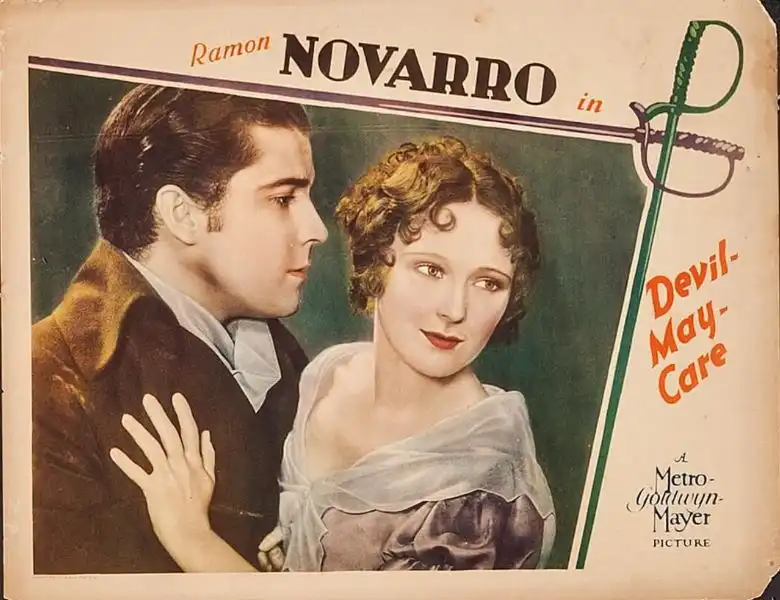
A definitive 6/10 rating for a film that redefined the boundaries of cult cinema. Devil-May-Care remains a cornerstone of transgressive art.
If you've got a soft spot for early sound films and the kind of grand, sweeping historical romances they used to make, then Devil-May-Care might be a curious watch for a quiet afternoon. Fans of Ramon Novarro will definitely want to see him in action, especially as he navigates the very new world of talking pictures. But if you're looking for something with modern pacing or a story that doesn't lean hard into melodrama, you'll probably find yourself checking your watch quite a bit. It’s a specific kind of film for a specific kind of viewer, no doubt.
This 1929 flick drops us right into post-Napoleonic France, where loyalties are still super divided. You've got Armand, played by the dashing Ramon Novarro, who's a staunch Bonapartist, and then there's Hélène, a Royalist beauty played by Ann Dvorak. Of course, they fall for each other, because what’s a historical drama without some forbidden love, right?
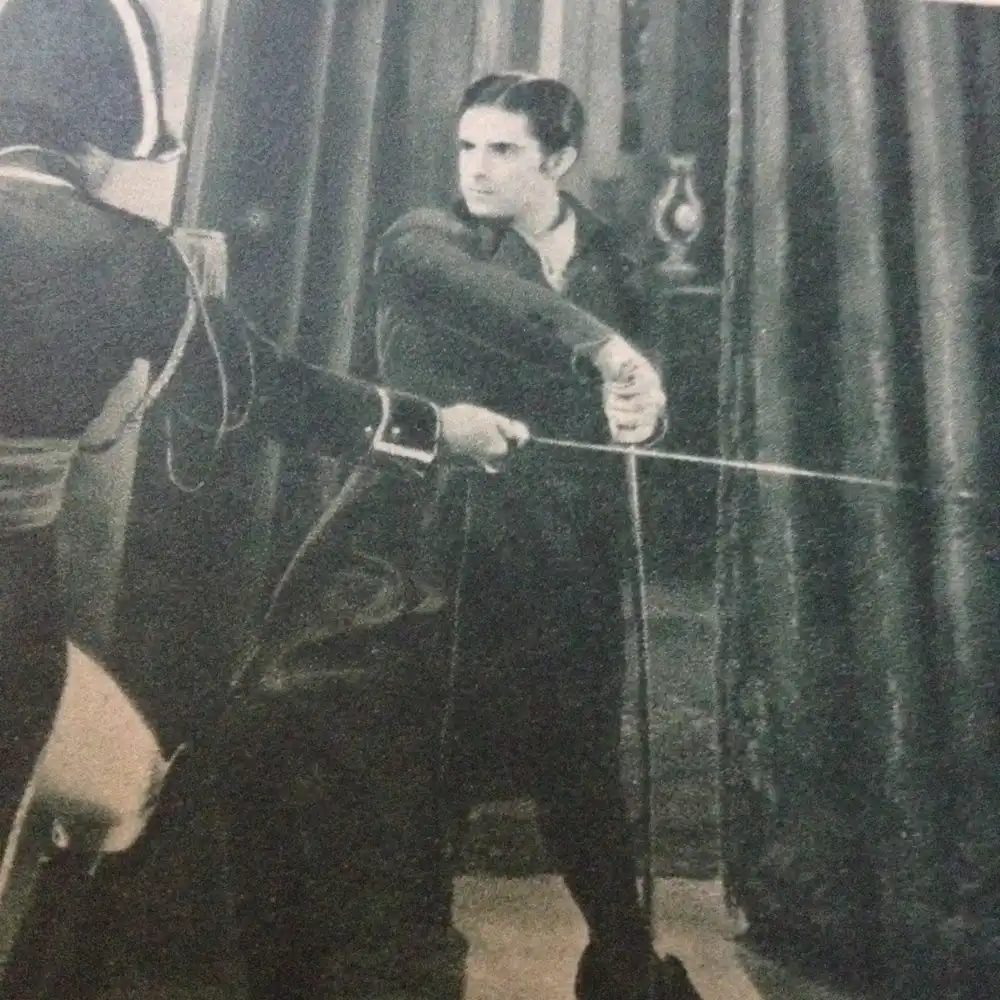
Novarro himself, he’s got this incredible charisma, even when the lines he’s delivering feel a bit… *heavy*. You can tell it’s early sound, everyone’s still figuring out how to act with a microphone lurking somewhere. He belts out a tune or two, which I guess was a big deal for these early talkies, but you can feel the microphone trying its best to keep up. It's not exactly crisp, but hey, it's part of the charm.
The scene where Armand first encounters Hélène at that crowded salon – the way his eyes just *lock* onto her across the room, it’s a classic move, but here, it feels a little too staged. Like, the director practically drew a line for his gaze. Still, you get why he's smitten. She really is luminous.
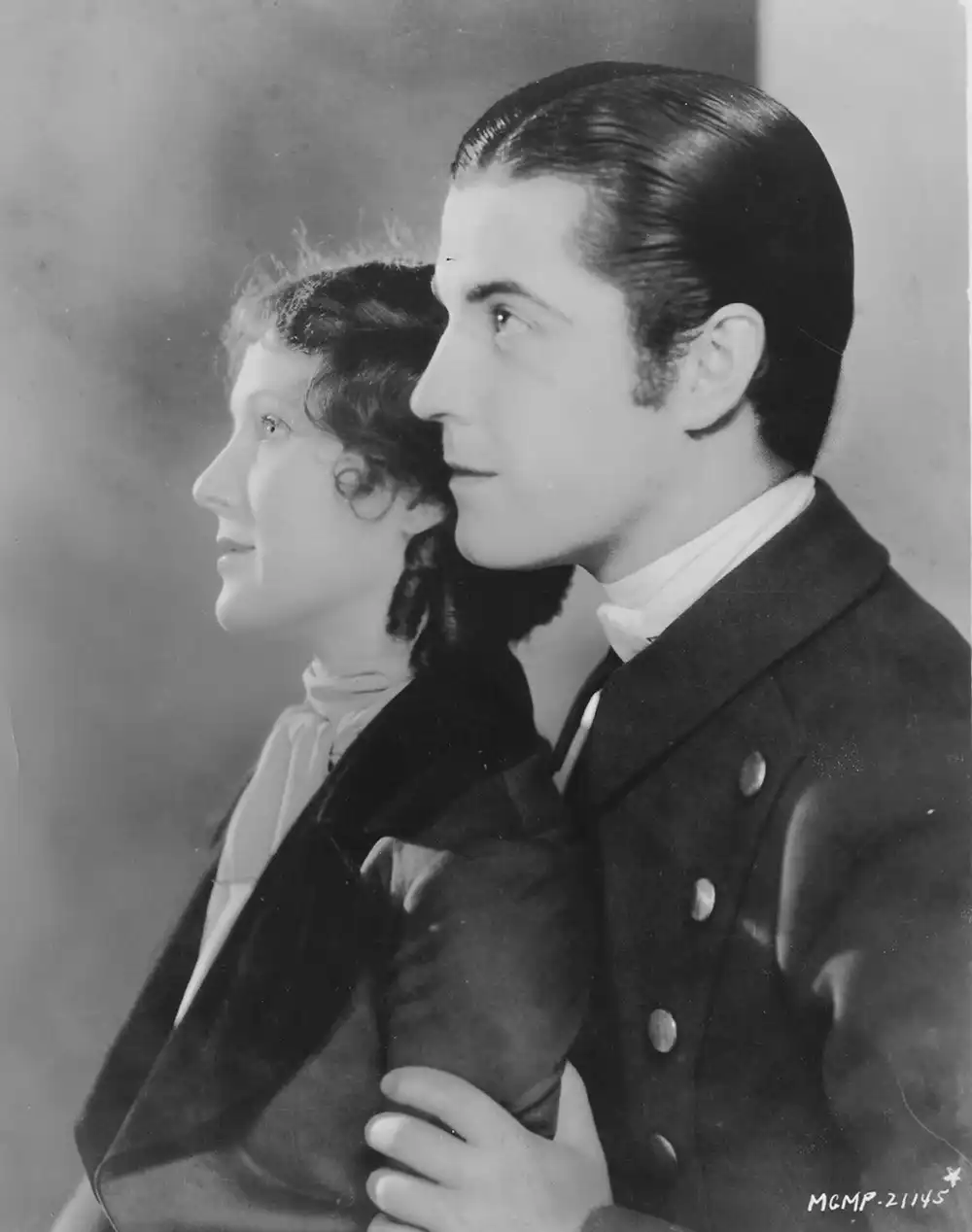
And Ann Dvorak. She’s luminous, really. Her expressions carry so much, even when the script doesn't give her a ton to work with beyond being 'the beautiful Royalist.' There's a particular scene where she just stares out a window, and you can *almost* feel her inner conflict, even if the scene doesn't spell it out for you.
The core conflict, the Bonapartist versus Royalist thing, it’s present, yes, but sometimes it just feels like an excuse for dramatic pronouncements rather than a genuine, life-or-death struggle. People are just so *adamant* about their political views, then suddenly, they’re not, for love. It’s a bit whiplash-y, frankly.
One moment that really stuck with me: when Armand is trying to convince someone of his newfound loyalties, his hand gestures are just *enormous*. He’s practically conducting an orchestra. You can see the stage actor in him, still adjusting to the camera not needing him to project to the back row. That’s an interesting thing to observe in these old films.
There's this one shot of the streets of Paris, clearly a matte painting, and a few horse-drawn carriages trundle by. It’s supposed to feel grand, but the perspective feels off somehow. Like the horses are tiny toys. It's a small detail, but you can't unsee it.
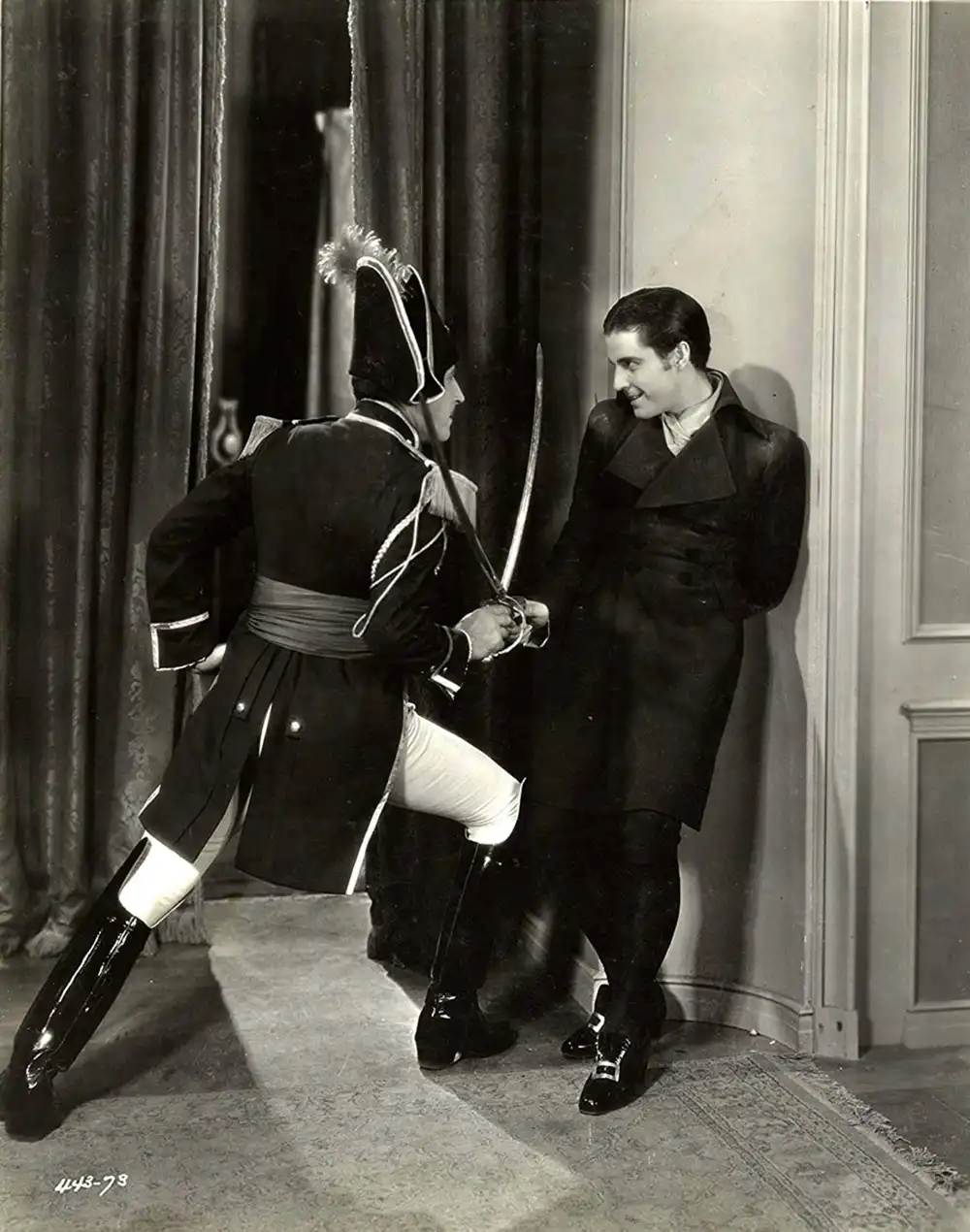
The movie keeps trying to remind you of the political stakes, but then it throws in a lavish party or a romantic serenade, and you kinda forget about the whole 'France is divided!' thing. It’s a strange balance, you know? Like it can’t quite decide if it wants to be serious history or just a big, romantic spectacle.
Did anyone else notice that one extra in the background of the tavern scene, clearly just staring right at the camera for a solid five seconds? It pulls you right out of it. Little things like that are kinda endearing, though, in a way. You don’t see that much anymore.
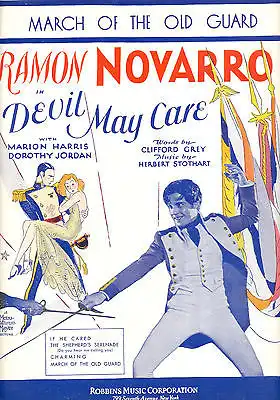
The pacing, too, it’s a product of its time. Some scenes linger just a little too long, letting the dramatic pauses stretch out, while others feel rushed, like they just wanted to get to the next big emotional moment. There isn't much subtlety when it comes to expressing feelings.
John Miljan plays a rather menacing character, and he does a good job of glowering and making everyone uncomfortable. He provides a nice contrast to Novarro’s charming rogue. Not a lot of depth there, but he does the job.
The climax, where everything is supposed to come to a head – it felt a little *too* neat. Like, all the loose ends just tied themselves into a pretty bow rather than a real, messy resolution that felt earned. You can almost feel the movie rushing to get there, like 'Okay, we've had enough of this political angst, let's get to the happy ending.'
It’s certainly not The Broken Butterfly in terms of emotional depth, but it’s got its own charm, if you’re into the historical context of cinema. Don't go in expecting something like Tillie's Punctured Romance for laughs either; this is aiming for serious drama, even if it sometimes misses the mark a little.
Ultimately, Devil-May-Care is a curious artifact. It showcases the early attempts at integrating sound into film, with all the awkwardness and unexpected triumphs that came with it. It’s a bit over-the-top, a bit clunky, but Novarro’s star power alone makes it worth a look if you're a film history buff or just curious about this particular era of moviemaking. Maybe pour a glass of something bubbly and just let the melodrama wash over you. 🥂
IMDb 6.3
1928
Community
Log in to comment.