DbcultAccessing Vault...
6.3/10
Senior Film Conservator
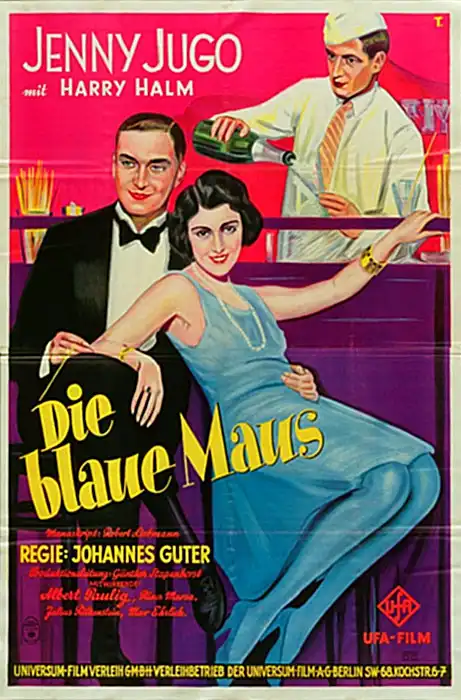
A definitive 6.3/10 rating for a film that redefined the boundaries of cult cinema. Die blaue Maus remains a cornerstone of transgressive art.
If you are looking for a deep dive into the human soul, skip this one. Die blaue Maus is for people who enjoy watching actors get increasingly sweaty as their lies catch up with them. It’s a late-period silent comedy that feels like it was filmed on a dare to see how many people could fit in a single hotel suite without tripping over each other. It’s worth watching if you like the specific brand of frantic, slightly desperate humor that came out of Berlin in the late 20s, but if you prefer your comedy with a bit more breathing room, this will probably just give you a headache.
The whole thing hinges on Willi Forst. He has this way of looking at the camera—not a full break of the fourth wall, but a sort of 'can you believe this?' side-eye—that keeps the movie from feeling too much like a stage play. There is a specific moment in the boss's office where he tries to adjust his collar while lying through his teeth, and you can see a genuine bead of sweat on his forehead. It’s a tiny detail, but it makes the whole ridiculous setup feel slightly more grounded.
The plot is your standard farce nonsense: a guy needs a job, he lies about being married to the 'right' kind of woman, and then he has to find a fake wife to present to his boss at a nightclub. The club itself, The Blue Mouse, is the best set in the movie. It’s got this weird, claustrophobic energy. The extras in the background aren't just standing there; they actually look like they’ve been drinking for five hours. It’s much more lively than the stiff, cardboard-feeling crowds you see in something like A Crazy Night.
I have to mention the hats. Jenny Jugo is great, but her headwear in the second act is genuinely distracting. One of them looks like a felt architect’s model. There’s a scene where she’s trying to be seductive or at least charmingly deceptive, but the hat is so large it keeps hitting the other actors. It’s one of those moments where you realize how much physical space was a factor in these old silent sets.
The pacing is… uneven. The first twenty minutes move like a bullet, but once they get to the hotel, the movie starts to loop. There are only so many times you can see someone hide behind a curtain or duck into a bathroom before the joke wears thin. One reaction shot of Albert Paulig (the boss) lingers for a good five seconds too long, and you can almost see him waiting for the director to yell 'cut.' It turns a moment that should have been a quick punchline into a weirdly awkward staring contest with the audience.
Robert Liebmann’s writing is sharp enough, but you can tell the movie is struggling with the transition out of the silent era. It feels like it wants to be a talkie. There are so many intertitles during the arguments that you end up reading more than watching. When the characters are just moving, it’s visual poetry in a slapstick way; when they start 'talking,' the energy dips.
There’s a strange tonal shift toward the end where it tries to get a little bit sentimental about the 'real' wife, and it just doesn't work. The movie is at its best when it’s being mean-spirited and fast. When it slows down to show a close-up of a sad face, it feels like a different film entirely—one that’s much less interesting than the one about the guy panicking in a nightclub.
Is it a masterpiece? No. But the chemistry between Forst and Jugo is real, even if the editing occasionally cuts them off mid-gesture. It’s a messy, loud (for a silent), and occasionally brilliant example of why these farces were so popular. Just don't expect it to make much sense by the time the final credits roll.
IMDb —
1924
Community
Log in to comment.