DbcultAccessing Vault...
Cult Review
Senior Film Conservator
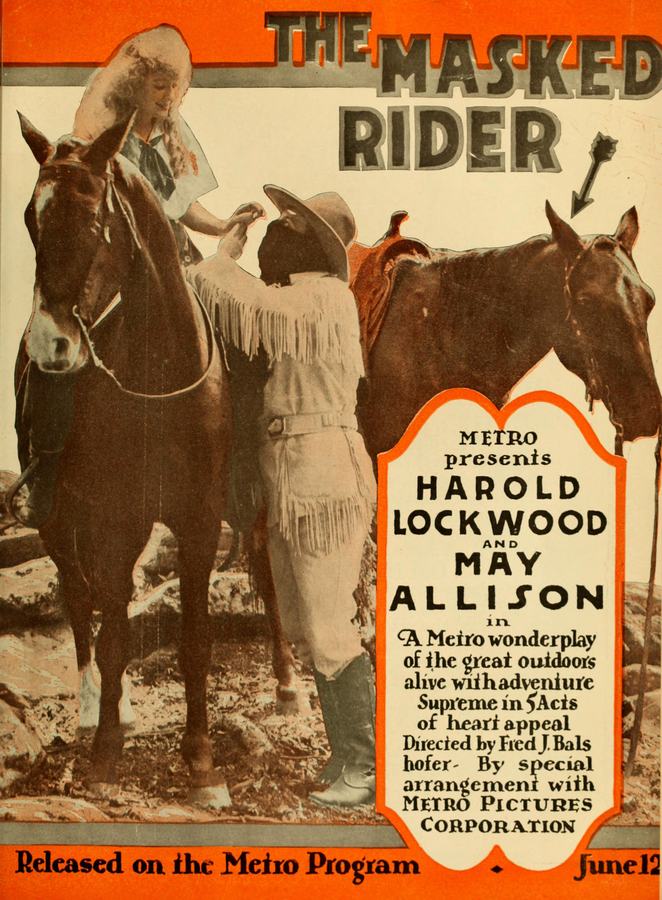
Step back in time, dear cinephiles, to an era when narratives unfolded through the eloquent ballet of gesture and the poignant resonance of a piano score. The year is 1919, and the silver screen is graced by a captivating tale of clandestine justice and heartfelt retribution: The Masked Rider. This isn't just another silent film; it's a vibrant tapestry woven with threads of Appalachian folklore, simmering tensions, and the timeless pursuit of righting wrongs. Fred J. Balshofer, a name synonymous with early cinematic innovation, directs a saga that, despite its vintage, pulsates with a raw energy that continues to enthrall.
At its core, The Masked Rider is a compelling exploration of identity and the lengths to which one man will go to honor a fallen kin. It transports us to the rugged, untamed beauty of North Carolina's hills, a landscape as breathtaking as it is treacherous, where the illicit trade of moonshine casts a long, dark shadow over the lives of its inhabitants. This isn't merely a backdrop; it's a character in itself, shaping the destinies and hardening the resolves of those who call it home. The film masterfully sets the stage for a conflict that is both personal and endemic, a microcosm of the larger struggles between law and lawlessness that defined much of early 20th-century rural America.
Our narrative begins with a profound sense of loss, a catalyst for the dramatic events that are soon to unfold. Bruce Edmunds, portrayed with a compelling blend of gravitas and veiled intensity by Lester Cuneo, is not merely seeking a change of scenery when he ventures into the mountainous terrain. He arrives as an emissary of vengeance, his soul ignited by the brutal murder of his brother, George. George, a man of aesthetic sensibilities, a landscape painter drawn to the sublime vistas of the South, had found more than artistic inspiration in these hills; he had found love, a fatal entanglement that ultimately sealed his doom. This premise immediately elevates the film beyond a simple Western or adventure flick, imbuing it with a tragic romance that resonates deeply.
George's infatuation with Jill Jamison, the vivacious daughter of Jimmy Jamison, proprietor of the Bat Cave Hotel, inadvertently sparked a deadly rivalry. It's a classic tale of innocent love clashing with entrenched malice. The very notion of a gentle artist falling for a mountain girl, a muse amidst the moonshine stills, creates a poignant contrast that highlights the inherent dangers of this isolated world. This setup reminds me of the intricate interpersonal dramas found in films like The Princess of Patches, where social divides and unexpected affections often lead to unforeseen consequences. The film deftly establishes that George's artistic pursuits were tragically interrupted by the harsh realities of the region, specifically the venomous possessiveness of Squid Archer.
Squid Archer, the formidable boss of the moonshining gang, embodied the raw, untamed power of the mountains. His enmity towards George, fueled by jealousy and territorial instincts, escalated into a series of confrontations, culminating in George's discovery, lifeless with a bullet wound, his body unceremoniously interred in the unforgiving earth. This act of barbarity fuels Bruce’s righteous indignation, transforming him from a grieving brother into a meticulous agent of retribution. His decision to join the revenue service is a strategic move, allowing him to operate within the bounds of the law while simultaneously pursuing a deeply personal vendetta. It's a fascinating moral tightrope walk, reminiscent of the complex ethical dilemmas explored in early dramas such as God, Man and the Devil, where characters often grapple with the blurred lines between personal justice and societal decree.
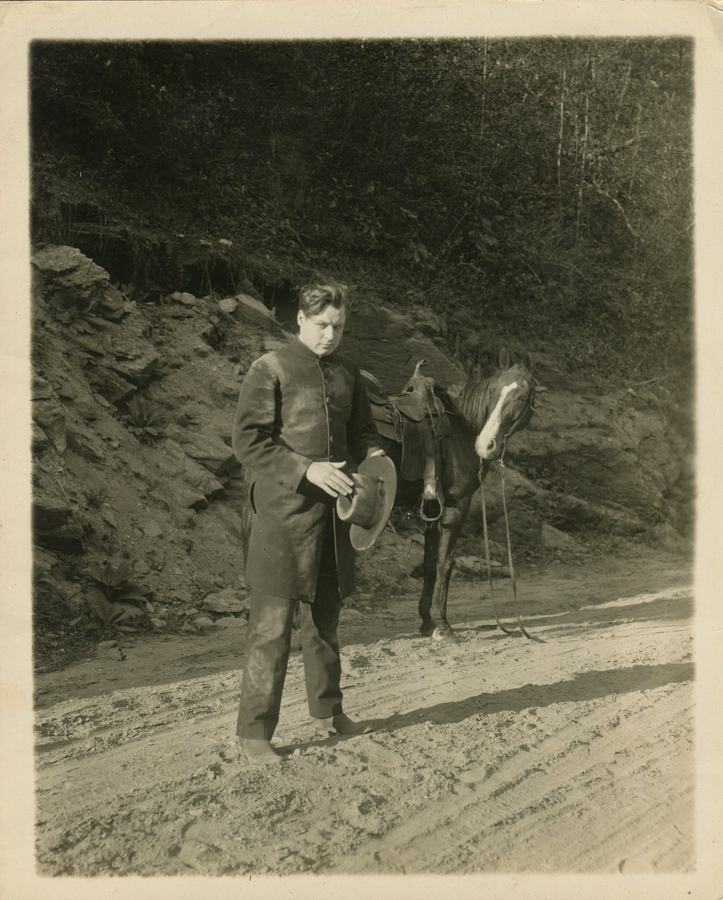
Bruce’s initial infiltration is a masterful stroke of deception. He arrives at Bat Cave not as a lawman, nor as a vengeful brother, but as a parson, a man of God. This disguise is brilliant in its simplicity and effectiveness. In a community often suspicious of outsiders, especially those representing external authority, the cloth provides an immediate veil of trust and respectability. It's a psychological gambit, allowing Bruce to observe, to gather intelligence, and to slowly integrate himself into the very fabric of the moonshiners' world without arousing immediate suspicion. The absence of Jill's father, Jimmy Jamison, further exacerbates the lawlessness, creating a vacuum that Squid Archer and his gang are all too eager to exploit. Bruce’s immediate action, quelling a disturbance instigated by the mountaineers, instantly earns him the favor and respect of Jill, an invaluable ally in his clandestine mission.
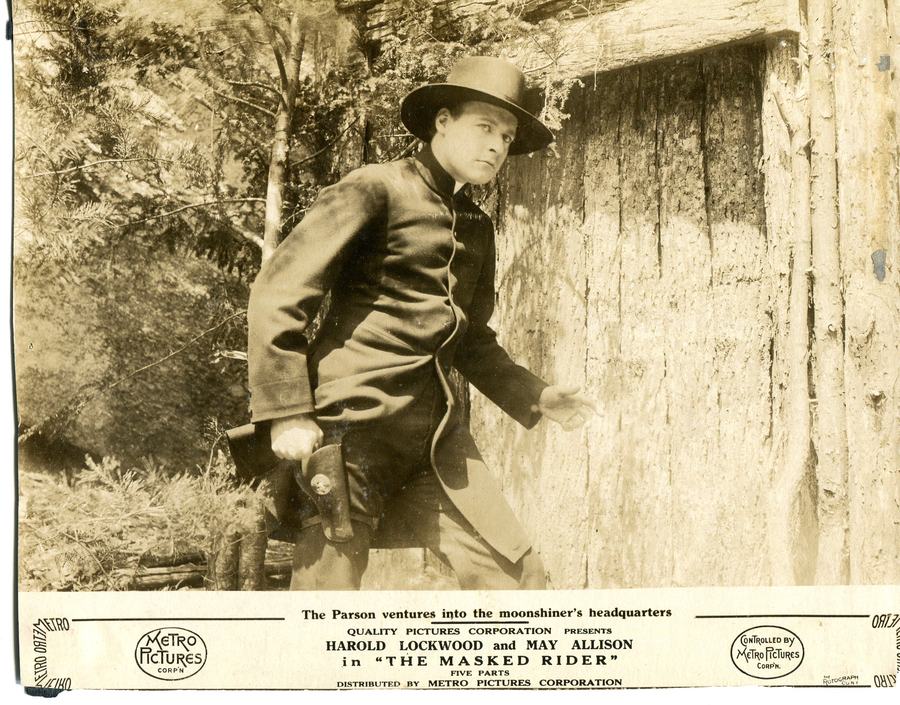
The burgeoning relationship between Jill and Bruce, initially founded on gratitude and mutual admiration, adds layers of emotional complexity to the narrative. Squid, though seething with barely concealed rage at Jill's growing affection for the new parson, is constrained by Bruce's ministerial garb. This tension, unspoken yet palpable, drives much of the early dramatic thrust of the film. It's a delicate dance of appearances and underlying motives. Jill, innocent of Bruce’s true intentions, becomes his unwitting confidante, sharing details of George’s life in the hills. These conversations are fraught with internal conflict for Bruce, who must maintain his composure, suppressing the tempest of grief and fury that rages within him. The emotional performance of Lester Cuneo, conveying such profound internal struggle without uttering a single word, is a testament to the power of silent acting.
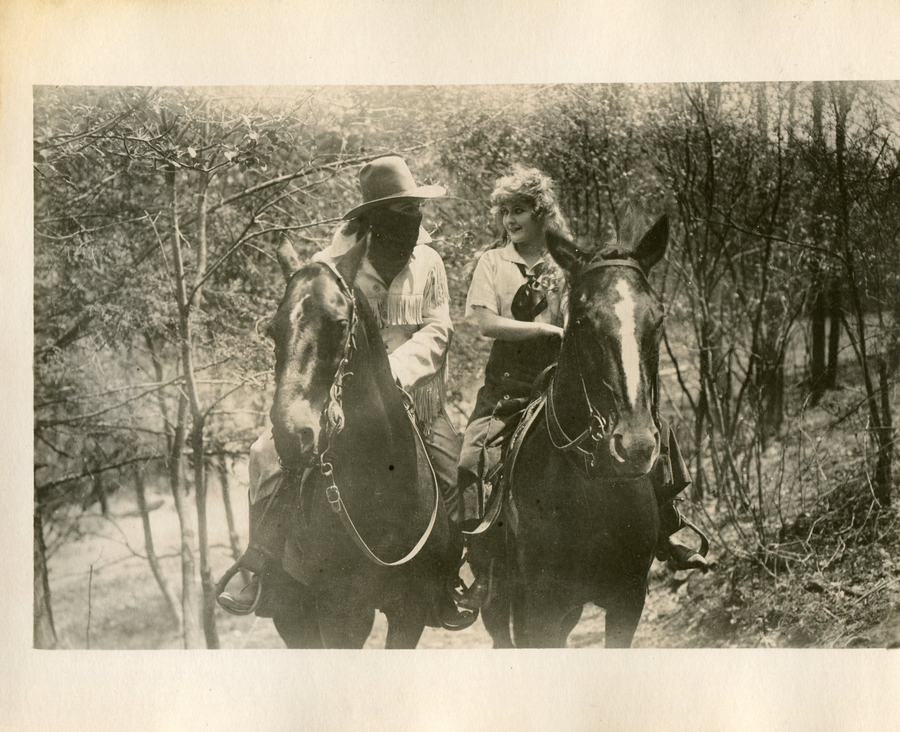
The narrative takes a thrilling turn with the emergence of the mysterious "Masked Rider." This figure, clad in a striking white buckskin suit and astride a magnificent white horse, is a phantom of justice, a nocturnal terror for the moonshiners. By his actions, it is clear he is no common bandit; he targets their illicit operations, disrupting their clandestine activities with calculated precision. The visual iconography of the white buckskin and white horse is potent, immediately signaling a figure of purity and righteousness, a stark contrast to the shadowy world he seeks to dismantle. This dual identity, the pious parson by day and the vengeful rider by night, is where the film truly shines, allowing for a dynamic exploration of Bruce's character.
The Masked Rider is an archetypal figure, an early iteration of the masked vigilante that would become a staple in popular culture. He represents a justice that operates outside conventional means, a necessary force in a land where official law enforcement struggles to penetrate. The scenes of the Rider eluding his pursuers, the frantic chases through the moonlit mountains, are executed with a thrilling kinetic energy, even in the silent medium. This element of secret identity and a hero operating in the shadows draws parallels to other early adventure serials, such as Perils of the Secret Service, where hidden agendas and daring escapades were key to audience engagement.
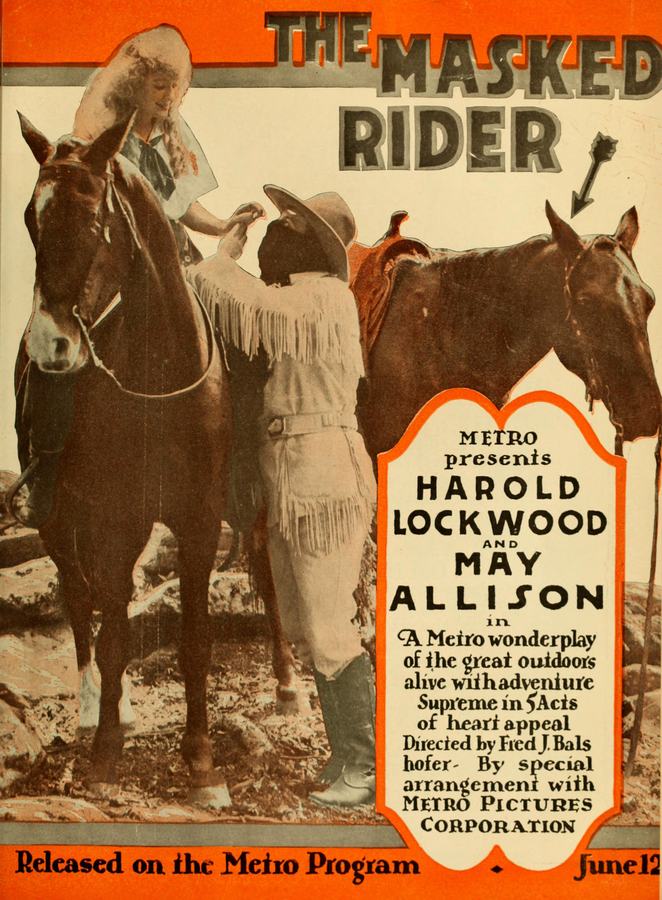
A pivotal moment occurs when Jill, during an innocent ride, stumbles upon the Masked Rider watering his horse. The shock of discovery, the Rider’s momentary panic, and his subsequent, gallant apology—bowing and profusely begging her pardon—reveal the man beneath the mask, even if Jill doesn't yet comprehend it. This interaction is crucial; it humanizes the formidable figure, transforming him from a terrifying enigma into a gentleman. The tender gesture of Bruce touching her golden curls, offering her freedom for one, is a subtle yet powerful moment of burgeoning romance, hinting at the deep connection forming between them. It’s a beautifully understated scene, relying on the actors’ expressions and the audience’s understanding of unspoken emotion.
The revelation of the parson's true identity is handled with elegant simplicity. Jill, finding her lock of hair tucked behind Bruce's mother's picture in his room, pieces together the puzzle. This moment of discovery is not one of betrayal but of profound understanding and deepening affection. It solidifies their bond, transforming their relationship into a partnership against the forces of injustice. This narrative technique, allowing the audience to witness the character's internal realization, is a hallmark of effective silent film storytelling, where visual cues carry immense weight.
With his identity known to his closest ally, Bruce orchestrates the final assault. Leading a contingent of government agents, he descends upon the moonshining district. The illicit distillers, resourceful and cunning, retreat into their subterranean labyrinth of secret passages. But Bruce, ever the strategist, anticipates their move. The decision to use dynamite, to blow up their catacomb, is a dramatic and decisive action, symbolizing the complete eradication of their illicit enterprise. It's a visually spectacular sequence, even by silent film standards, conveying the destructive power of justice unleashed. The sheer scale of this confrontation, the dramatic use of explosives, and the coordinated effort of the agents echo the grandiosity of adventure films like The Firefly, which also often featured large-scale conflicts.
Squid Archer, the embodiment of villainy, manages to escape the explosive chaos, heading directly for the Jamison Hotel. His desperation leads him to attempt to force Jill to accompany him in his flight, a final act of depravity and control. This climactic confrontation between Bruce and Squid is a tour de force of physical action. The struggle is brutal, visceral, as they tumble down a flight of stairs, Bruce losing his revolver in the process. Squid, momentarily gaining the upper hand, fires at the prostrate Bruce, wounding him in the right shoulder. It's a moment of agonizing suspense, where the hero is vulnerable, seemingly defeated. But Jill, no mere damsel in distress, rises to the occasion. Her decisive action—crashing a chair over Squid's head—is a powerful testament to her strength and agency, ultimately saving Bruce and bringing the reign of terror to an emphatic close. This active role for a female character, especially in an early film, is noteworthy, challenging conventional gender roles and empowering Jill beyond the typical romantic interest.
The Masked Rider is more than just a revenge plot; it's a study in moral complexity and the enduring power of love and loyalty. Bruce Edmunds's journey is one of profound transformation, from a grieving brother consumed by personal vendetta to a figure of righteous justice. The film explores the thin line between personal vengeance and the broader concept of law and order. Is Bruce's justice truly impartial, or is it colored by his personal loss? The narrative cleverly allows for both interpretations, adding a layer of ambiguity that elevates its thematic depth. This nuanced approach to justice can be seen in other contemporary dramas, where the motivations of heroes are often multi-faceted, such as in The Hindu Nemesis, which similarly delves into the complexities of retribution.
The performances, particularly from Lester Cuneo as Bruce and May Allison as Jill, are exemplary for the era. Cuneo masterfully conveys Bruce's internal turmoil and his dual nature through subtle gestures and powerful expressions. His portrayal of the solemn parson and the daring Masked Rider is distinct yet seamlessly integrated. May Allison, as Jill, brings a vibrant energy and resilience to her character, making her far more than a passive love interest. Her decisive action in the climax is a defining moment, showcasing her strength and independence. The supporting cast, including Harry Linkey as Squid Archer, effectively creates a believable and menacing opposition, anchoring the conflict with tangible villainy.
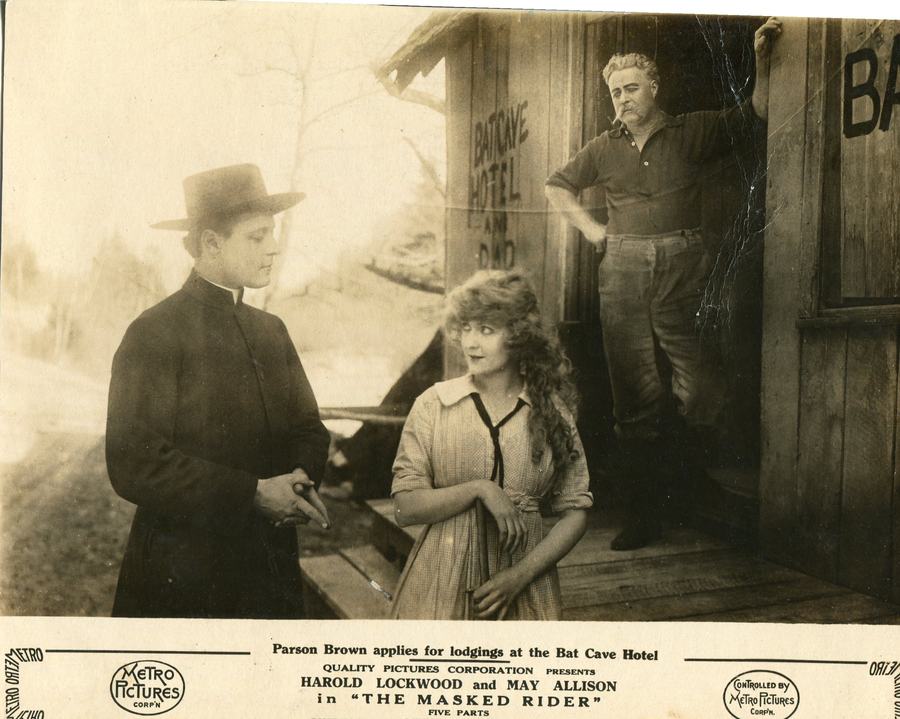
Fred J. Balshofer’s direction is commendable, especially in his ability to maintain narrative coherence and build suspense without spoken dialogue. The film's pacing is generally brisk, punctuated by moments of quiet emotional intensity and bursts of thrilling action. The cinematography, while limited by the technology of the time, effectively captures the rugged beauty of the North Carolina landscape, using it to enhance the mood and atmosphere of the story. Visual storytelling is paramount in silent films, and The Masked Rider employs it with considerable skill, using close-ups to convey emotion and wider shots to establish the perilous environment.
In its ultimate resolution, with the moonshiners imprisoned and Bruce recovering under Jill's devoted care, the film offers a satisfying conclusion. Their journey to a "real parson" for their union symbolizes a return to normalcy, a blessing of their hard-won peace and love after the storm of violence and deception. It’s a classic denouement, marrying the triumph of justice with the promise of enduring romance, a trope that continues to resonate in cinema. The film's enduring appeal lies in its ability to tap into universal themes: the quest for justice, the strength of familial bonds, the emergence of love amidst adversity, and the perennial battle between good and evil.
The Masked Rider stands as a compelling example of early American cinema, showcasing the burgeoning artistry and storytelling prowess of the silent era. It’s a thrilling adventure, a poignant romance, and a testament to the power of a single individual to bring about change, even in the most formidable of circumstances. For those interested in the evolution of genre cinema, particularly the Western and the vigilante narrative, this film offers invaluable insights. It proves that even without spoken words, a story told with conviction and visual flair can leave an indelible mark. It's a ride worth taking, a silent journey into the heart of justice that still echoes today.
IMDb —
1924
Community
Log in to comment.