DbcultAccessing Vault...
Cult Review
Senior Film Conservator

There are films that merely tell a story, and then there are those that etch themselves onto the very fabric of cinematic history, not just for their narrative prowess but for their profound exploration of the human condition. John Stanton and Julius Steger's Redemption, a silent-era gem from 1917, unequivocally belongs to the latter category. It is a work that, even a century later, reverberates with an intensity that belies its lack of spoken dialogue, presenting a searing indictment of societal judgment, the inescapable shadow of one's past, and the devastating consequences of pride and vengeance. This isn't just a film; it's a psychological drama of the highest order, a meticulously crafted tragedy that dissects the fragility of reputation and the destructive power of a spurned ego.
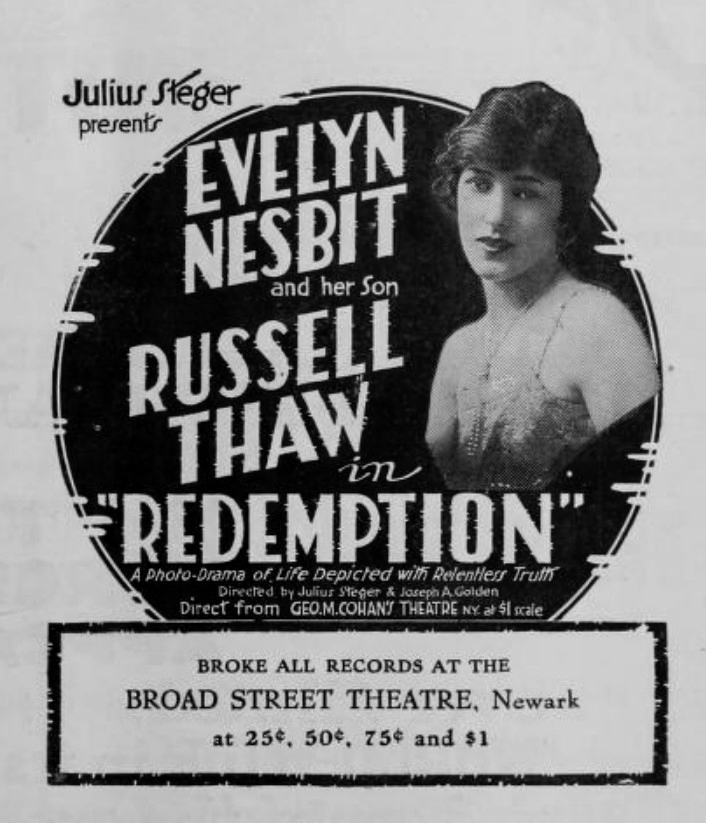
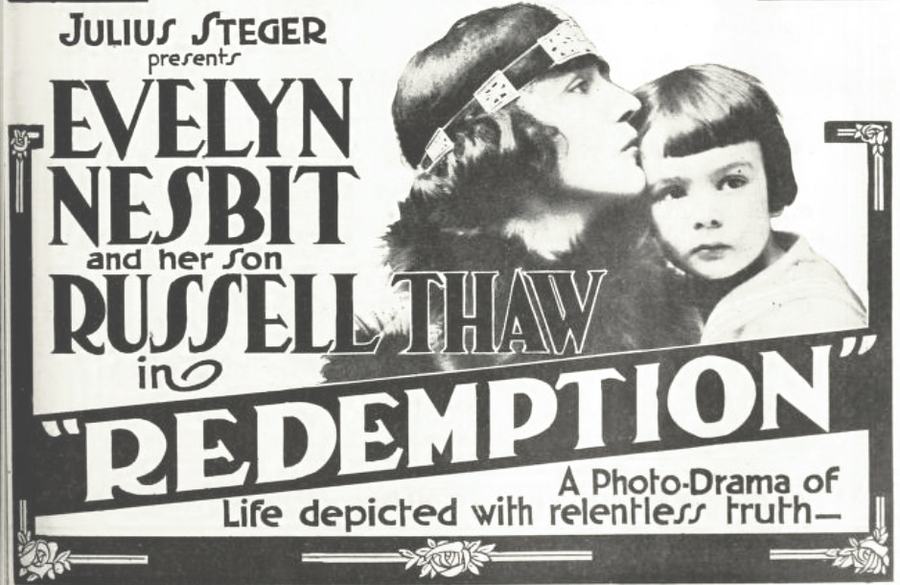
At its heart, Redemption presents us with a protagonist, an unnamed actress portrayed with compelling nuance by Marie Reichardt, who yearns for an escape from her own notoriety. Her past, described as 'wild,' hangs over her like a perpetual theatrical fog, a reputation that, in the conservative societal landscape of the early 20th century, would have been a brand. We are introduced to her as she attempts to construct a new life, one defined by the quiet dignity of a 'sedate, pleasant marriage.' This domestic sanctuary, depicted with an almost idyllic serenity, is her personal attempt at absolution, a bid to shed the skin of her former self and embrace the conventional respectability that society so readily affords to those who conform. Russell Thaw, as her trusting husband, embodies the very essence of this newfound stability, a beacon of normalcy against her tempestuous history. The film masterfully establishes this delicate balance, allowing the audience to witness the profound yearning for peace and acceptance that drives Reichardt’s character. It's a poignant setup, immediately inviting empathy for a woman striving to redefine her existence against the backdrop of an unforgiving world.
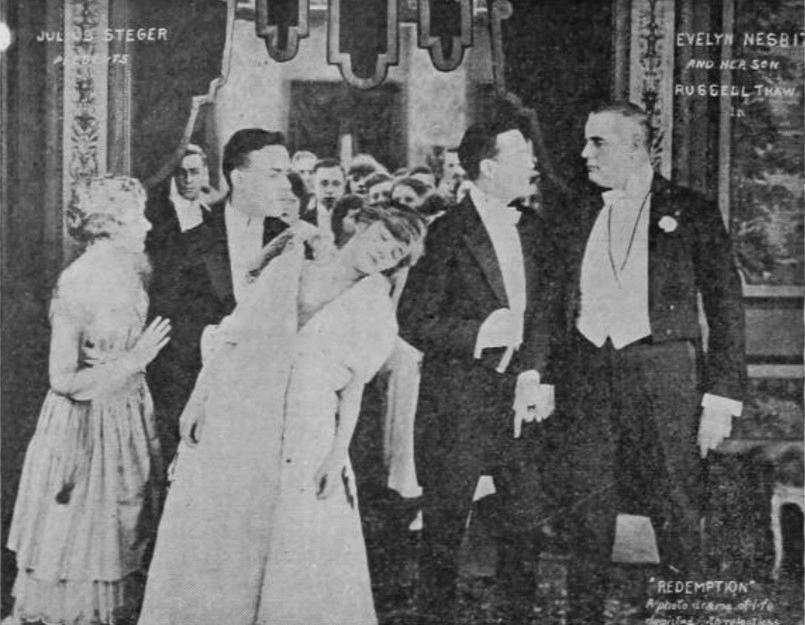
The narrative's serene surface is inevitably shattered by the arrival of the architect, a former lover played with chilling intensity by George Clarke. His entrance isn't merely a plot device; it's the re-emergence of a repressed memory, a tangible manifestation of the past that our protagonist so desperately wishes to bury. Clarke’s architect is not simply a discarded suitor seeking reconciliation; he is a force of disruption, an embodiment of possessive desire and wounded pride. His attempts to 'renew their affair' are less romantic overtures and more insidious demands, a challenge to the carefully constructed façade of her new life. The tension builds palpably as his presence threatens to unravel everything she has worked so hard to achieve. The film brilliantly uses the unspoken language of silent cinema – the lingering glances, the subtle shifts in posture, the almost imperceptible tremors of fear – to convey the suffocating pressure he exerts. This re-emergence of a passionate, destructive love echoes the thematic intensity found in films like Pesn torzhestvuyushchey lyubvi (The Song of Triumphant Love), where unchecked desire often paves the way for ruin. Both films understand that some passions, once ignited, refuse to be extinguished without leaving scars.
The pivotal moment of the film, and indeed the catalyst for its tragic climax, arrives when the actress, in a desperate bid to protect her marriage and her newfound respectability, publicly humiliates the architect with her unequivocal rejection. This isn't a quiet, private dismissal; it's a grand, theatrical gesture, played out in the harsh glare of public scrutiny. While her actions are understandable from her perspective – a desperate attempt to sever ties with a past that threatens to consume her present – they are also, tragically, her undoing. The architect's wounded pride transforms into a festering resentment, a thirst for vengeance that transcends mere anger. George Clarke’s portrayal here is particularly potent, conveying a man whose ego, once bruised, curdles into something truly menacing. The film suggests that while the actress may have sought redemption through rejection, she inadvertently sowed the seeds of her own destruction. This public shaming, a deeply personal wound inflicted in the most public of arenas, sets in motion a chain of events from which there is no escape. The societal pressure to maintain appearances, to uphold a certain image, is a constant, suffocating force, not unlike the moral quagmires explored in films like The Gilded Spider, where characters often find themselves ensnared by circumstance and societal expectations.
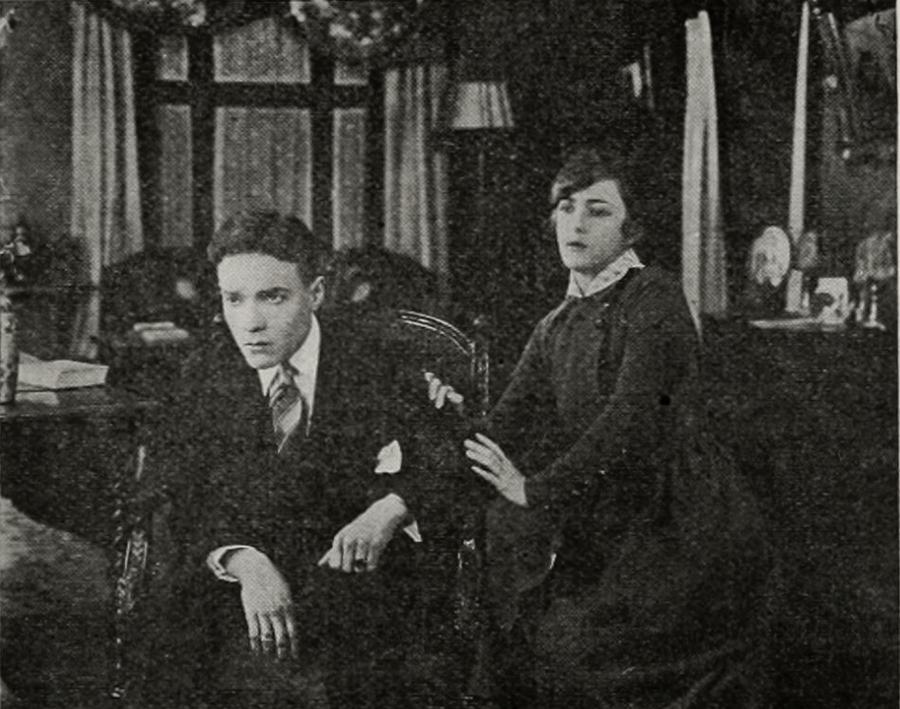
The architect's subsequent quest for revenge is not a simple, impulsive act but a calculated, insidious campaign designed to dismantle the actress's life piece by agonizing piece. The film refrains from depicting gratuitous violence, instead focusing on the psychological erosion and societal ostracism that his revenge engenders. It's a more devastating form of retribution, one that strips her of her reputation, her peace, and ultimately, her happiness. The architects of this tragedy are not just the characters themselves but the rigid moral codes of the era, which afforded little forgiveness for women who dared to stray from prescribed paths. The film's power lies in its relentless portrayal of this downward spiral, the inexorable pull towards catastrophe once the wheels of vengeance are set in motion. There is a profound sense of inevitability, a classical tragic structure where every action, however well-intentioned, leads to an unforeseen and devastating consequence. The tragedy is not just the personal ruin of the protagonist, but the broader commentary on a society that demands perfection while offering little grace. The film's conclusion is not one of triumph or resolution, but of a chilling, inescapable fate, underscoring the idea that some pasts are simply too potent to be outrun.
In a silent film, the burden of conveying emotion, motivation, and character arc rests squarely on the shoulders of the actors' physicality and facial expressions. The cast of Redemption rises to this challenge with remarkable skill. Marie Reichardt, as the central figure, delivers a performance of striking vulnerability and resilience. Her eyes, often downcast with a weary resignation or flashing with momentary defiance, speak volumes. She beautifully captures the internal conflict of a woman torn between her past and her desperate desire for a respectable future. We see her anguish, her fear, and her fleeting moments of hope, all without a single spoken word. Russell Thaw, as her husband, projects an earnestness and trusting nature that makes his eventual heartbreak all the more poignant. His quiet strength serves as a stark contrast to the volatile emotions swirling around him. However, it is arguably George Clarke as the vengeful architect who leaves the most indelible impression. His portrayal is a masterclass in silent menace. From his initial persistent advances to his chillingly calculated acts of revenge, Clarke exudes a quiet intensity that is genuinely unsettling. He doesn't need grand gestures to convey his malevolence; a subtle sneer, a prolonged stare, or a rigid posture is enough to communicate the depth of his wounded pride and his destructive intent. The ensemble, including supporting turns from Mary Hall, Edward Lynch, and Evelyn Nesbit, collectively contributes to the film’s rich tapestry of human drama, each playing their part in the unfolding tragedy with commendable conviction. The collective strength of these performances ensures that the emotional core of the film remains potent and accessible, even to a contemporary audience accustomed to dialogue-heavy narratives. The depth of character revealed through these silent portrayals is a testament to the power of early cinematic acting, a skill often underestimated in modern discourse.
John Stanton and Julius Steger, as writers, crafted a narrative of potent psychological depth, but it is through the direction that this depth truly comes to life. The film's visual language is sophisticated for its era, utilizing carefully composed shots and evocative symbolism to enhance the storytelling. The contrast between the serene domestic scenes and the stark, public confrontations is particularly effective, highlighting the protagonist's vulnerability. The use of lighting often mirrors the emotional state of the characters, with shadows deepening around moments of despair and brighter, if fleeting, light accompanying moments of hope. The pacing is deliberate, allowing the tension to build organically, drawing the audience deeper into the protagonist's plight. There's an economy of visual information, where every frame seems to contribute to the overall narrative and thematic impact. The film understands the power of suggestion, often allowing the audience to infer the emotional weight of a scene rather than explicitly stating it. This subtlety is a hallmark of truly effective silent cinema, demanding active engagement from the viewer. The direction ensures that the narrative, despite its period trappings, feels timeless in its exploration of human folly and fate. The way the camera captures the societal gaze, the whispers and judgments of onlookers, effectively communicates the suffocating pressure faced by the actress. It's a testament to the early filmmakers' understanding of cinematic grammar, demonstrating that even without sound, a film could be profoundly immersive and emotionally resonant.
Redemption is far more than a period piece; it is a timeless meditation on the unforgiving nature of a society obsessed with appearances and the devastating consequences of personal vendettas. It forces us to confront uncomfortable truths about judgment, forgiveness, and the indelible marks left by our past choices. The film's conclusion, devoid of easy answers or convenient resolutions, resonates with a profound sense of classical tragedy, leaving the audience with much to ponder. It reminds us that while we may strive for a new beginning, the echoes of what came before can often be too powerful to silence. The themes explored – the struggle for self-reinvention, the destructive power of obsession, and the crushing weight of societal expectations – remain remarkably pertinent even today. In an age where digital footprints and public scrutiny are omnipresent, the film's cautionary tale about reputation and its fragility feels eerily contemporary. It's a stark reminder that the human propensity for judgment and the desire for retribution are deeply ingrained, transcending eras and technological advancements. This enduring relevance is precisely what elevates Redemption from a historical artifact to a compelling piece of cinematic art, deserving of continued study and appreciation. It’s a powerful exploration of how character is forged and fractured under immense pressure, much like the intense personal trials depicted in The Birth of Character, where individuals are tested to their limits and defined by their responses to adversity. The legacy of Redemption is not just in its narrative, but in its ability to provoke thought and stir emotion, cementing its place as a significant contribution to early cinema and a poignant reflection on the human condition.
IMDb —
1917
Community
Log in to comment.