DbcultAccessing Vault...
Cult Review
Senior Film Conservator
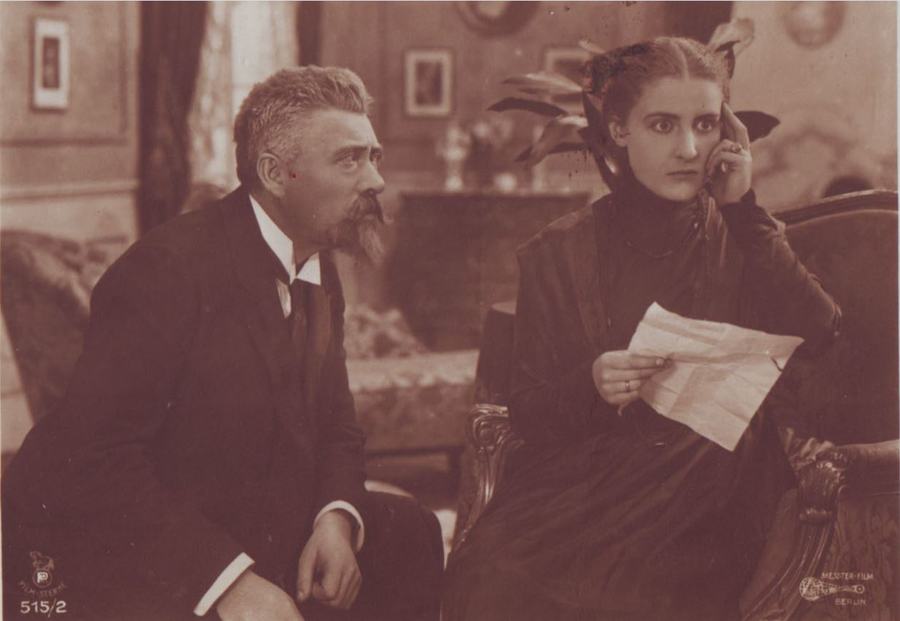
The flickering shadows and stark emotional landscapes of early German cinema often reveal profound insights into the human condition, and Die Faust des Riesen (The Giant's Fist), a compelling silent drama from the dawn of the 1920s, is no exception. This film, a collaborative effort from the creative minds of writers Ewald André Dupont, Robert Wiene, and Rudolf Stratz, delves into the corrosive power of addiction and the insidious erosion of trust within a marriage. It's a narrative that, despite its vintage, resonates with an unsettling contemporary relevance, exploring themes of hidden lives, financial desperation, and the magnetic pull of urban temptation.
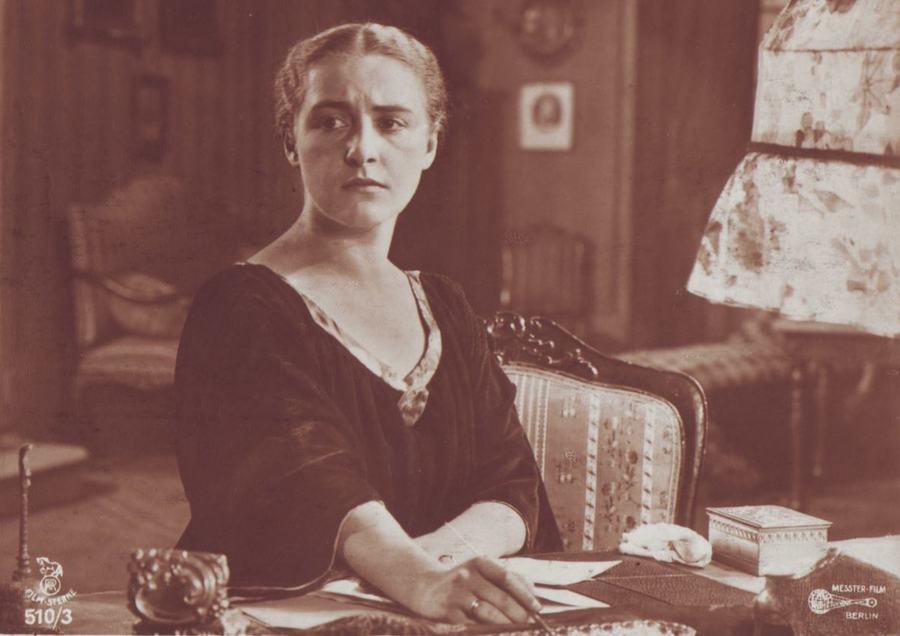
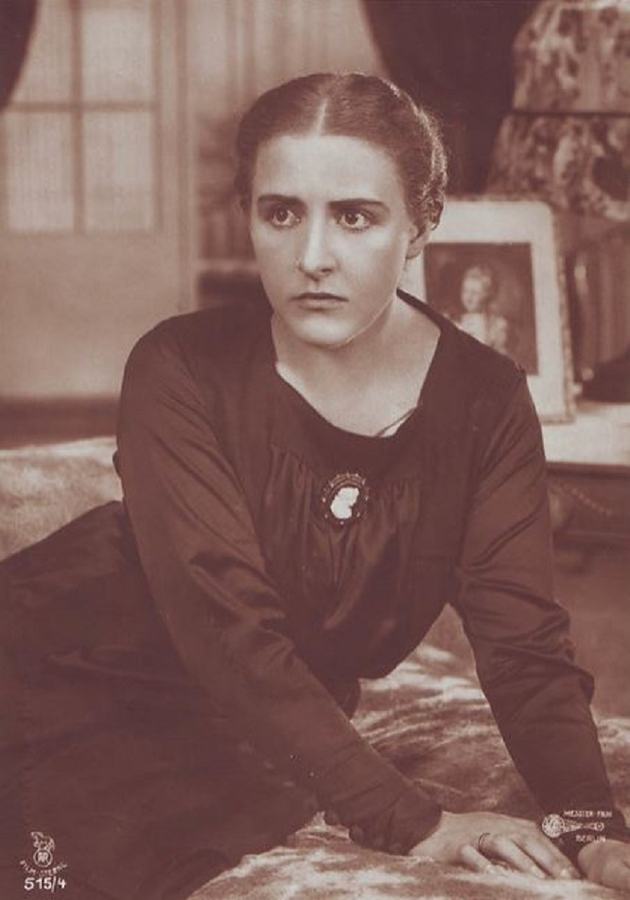
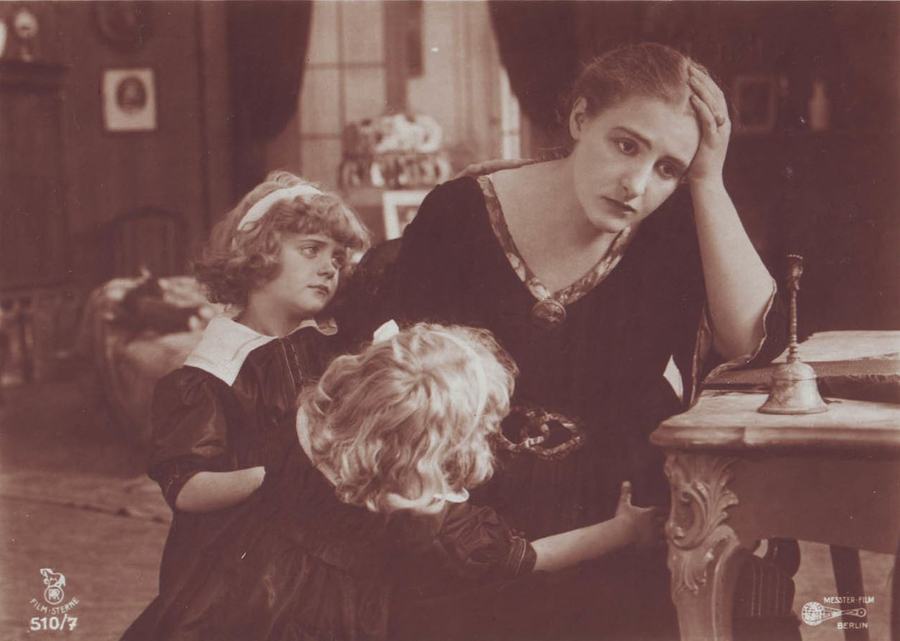
At its core, the story revolves around Diether von Brake, portrayed with a compelling blend of charm and desperation by Eduard von Winterstein. Diether is a man caught in the relentless undertow of a gambling addiction, a vice that pulls him away from the sanctity of his home and into the captivating, yet dangerous, embrace of Berlin's nocturnal life. His prolonged absences, stretching into weeks, cast a pall of anxiety over his wife, Martine, brought to life with poignant vulnerability by Henny Porten. Martine's quiet despair and mounting suspicion form the emotional anchor of the film, her silent suffering a powerful counterpoint to Diether's reckless pursuits.
Diether's explanations for his frequent, extended sojourns in the capital are, predictably, shrouded in a flimsy veil of financial necessity. He professes his gambling to be a desperate, albeit misguided, attempt to repay mounting debts, a narrative he likely tells himself as much as he tells his increasingly skeptical wife. Yet, Martine, with the keen intuition born of love and fear, senses a deeper, more sinister truth lurking beneath his facile excuses. Her suspicions extend beyond mere financial impropriety; she fears the allure of other, perhaps more sensual or illicit, attractions that Berlin, with its reputation for both decadence and opportunity, undoubtedly presents. This psychological tension, the unspoken accusations and the palpable sense of betrayal, forms the bedrock of the film's dramatic power, reminiscent in its marital unease to the undercurrents of distrust explored in later works like Behind Closed Doors, where secrets fester within domestic confines.
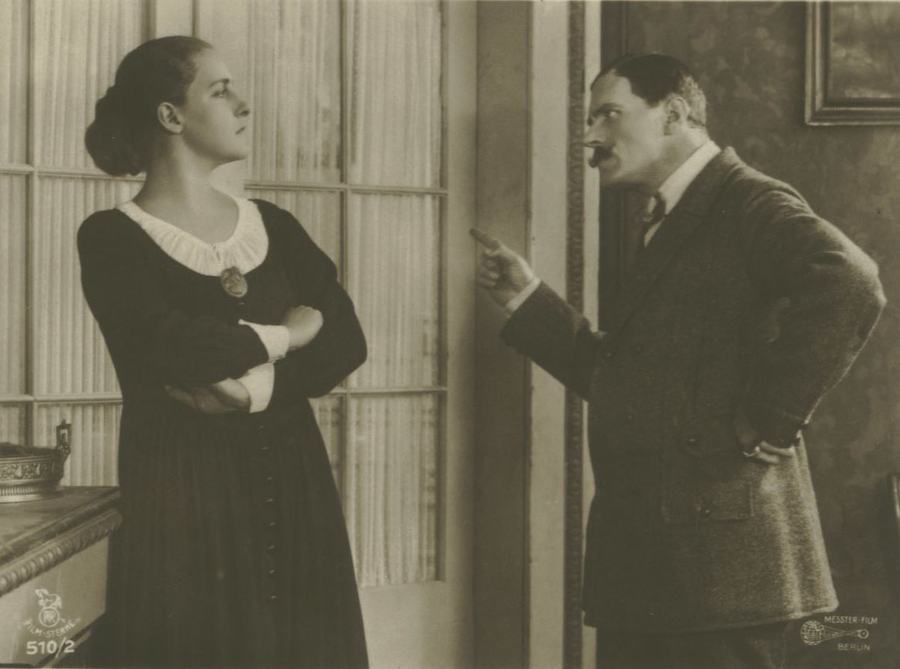
The genius of Die Faust des Riesen lies in its ability to articulate complex emotional states without the aid of spoken dialogue. The performances of Eduard von Winterstein and Henny Porten are particularly noteworthy. Winterstein conveys Diether’s internal struggle – the fleeting thrill of the wager, the crushing weight of loss, and the desperate hope for a winning streak – through subtle shifts in his posture, the intensity of his gaze, and the almost imperceptible tremor of his hands. He is not merely a villain, but a man trapped, a victim of his own compulsions. Porten, on the other hand, embodies Martine’s quiet strength and profound sorrow. Her expressions, ranging from hopeful anticipation to resigned despair, speak volumes, communicating the slow, agonizing realization that her shared life with Diether is crumbling before her eyes. The nuanced interplay between their non-verbal performances is a masterclass in silent film acting, allowing the audience to feel the raw, unfiltered agony of a love besieged by external and internal forces.
The collaborative writing effort by Ewald André Dupont, Robert Wiene, and Rudolf Stratz crafts a narrative that is both psychologically acute and structurally taut. Dupont, who would later gain international acclaim for films like The Marriage of Kitty, brings a keen sense of visual storytelling and dramatic pacing. Wiene, famously associated with German Expressionism through The Clown, likely contributes to the film’s atmospheric depth and its exploration of internal states, even if not overtly Expressionistic in style. The script avoids simplistic moralizing, instead offering a nuanced portrayal of a man caught in the vice grip of addiction and the devastating ripple effects on his loved ones. The film's strength lies in its refusal to offer easy answers, presenting Diether's predicament as a complex interplay of personal failing, external pressures, and the seductive power of a particular urban environment.
Berlin itself emerges as a character in its own right – a sprawling, enigmatic entity that both beckons and ensnares. The city's bustling streets, its clandestine gambling dens, and its glittering, yet dangerous, nightlife provide a stark contrast to the quiet, increasingly desolate domesticity Martine experiences. This duality of setting amplifies the central conflict, highlighting the chasm that widens between Diether's secret life and Martine's isolated reality. The city is not just a backdrop; it is an active participant in Diether's descent, a siren song of fleeting pleasure and ultimate ruin. This portrayal of a city as a character, capable of both liberation and corruption, echoes sentiments found in other contemporary European films, where urban centers became melting pots of modernity and moral ambiguity.
Beyond the central couple, the supporting cast, including Johannes Riemann, Rudolf Biebrach, Herr Kaufmann, Anna Elisabeth Weihrauch, Auguste Pünkösdy, and Herr Schmelzer, contribute to the rich tapestry of the narrative. While their roles might be more peripheral, their presence helps to flesh out Diether's world, whether as fellow gamblers, concerned acquaintances, or figures within the shadowy establishments he frequents. Their collective performances add layers of realism and social commentary, showcasing the various individuals who populate Diether's fractured existence and Martine's increasingly lonely one.
Thematically, Die Faust des Riesen is a powerful exploration of addiction. It doesn't sensationalize the act of gambling but rather focuses on its psychological grip and the slow, agonizing destruction it wreaks on an individual and their family. This nuanced approach to a societal ill places it alongside other films of the era that dared to tackle difficult subjects, such as The Fifth Commandment which might explore moral quandaries, or The Hidden Scar, potentially delving into the lasting marks left by personal failings. The film's depiction of Martine's growing suspicion and the erosion of her trust is particularly heartbreaking. It’s a testament to the script’s depth that it portrays not just the addict’s struggle, but also the profound trauma inflicted upon those who love them, forced to witness their slow self-destruction.
The visual language of the film is equally compelling. The cinematography employs stark contrasts between light and shadow, particularly in the scenes set within Berlin's nocturnal spaces, hinting at the moral ambiguities and hidden dangers that lurk there. The use of close-ups on the actors' faces, especially Porten's, is crucial in conveying the intricate emotional landscape without spoken words. The mise-en-scène, from the cluttered, lived-in comfort of the von Brake home to the opulent yet sterile gambling halls, effectively communicates the differing worlds Diether inhabits, further emphasizing the dichotomy of his existence. This visual storytelling, a hallmark of the silent era, ensures that the audience remains deeply invested in the characters' fates, even without the benefit of dialogue.
In the grand tapestry of early 20th-century German cinema, Die Faust des Riesen stands as a significant, albeit perhaps lesser-known, achievement. It is a film that utilizes the unique expressive capabilities of the silent medium to weave a tale of human frailty, urban temptation, and the devastating consequences of unchecked desires. Its exploration of marital breakdown due to a hidden vice finds echoes in the psychological tension of films like The Shadow of a Doubt, which, though made decades later, similarly peels back the veneer of domestic normalcy to expose a dark secret. The film's enduring power lies in its universal themes and its masterful execution, offering a poignant reminder of the timeless human struggles that continue to captivate audiences across generations and technological divides.
Ultimately, Die Faust des Riesen is more than just a period piece; it's a testament to the power of cinematic storytelling to explore the deepest recesses of the human psyche. It invites viewers to reflect on the nature of addiction, the fragility of trust, and the often-destructive allure of forbidden pleasures. The combined talents of its writers and cast create a work that transcends its silent origins, delivering a powerful and emotionally resonant drama that continues to speak volumes about the complexities of the human heart. It is a film that deserves to be rediscovered and appreciated for its artistry and its profound insights into the eternal struggles that define our existence.
IMDb 6
1924
Community
Log in to comment.