Summary
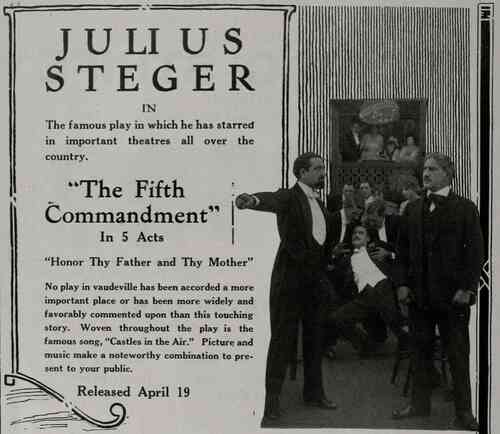
A marble-tiled conservatory in Upper Manhattan becomes the stage for an illicit nocturne: Carl Winters, ivory whisperer and penniless professor, conducts Rachmaninoff with his eyes while his fingers graze the pulse of Alice Winthrop—heiress to a fortune built on foreclosures and forged in brass. Their courtship is a silent scherzo, played behind stacks of études and the mahogany backs of practice rooms; Director Bergh, a Calvinist gargoyle in pince-nez, spies the lovers, and in one bureaucratic slash of ink annihilates Carl’s livelihood and Alice’s filial sanctuary. The banker-patriarch, Stephen Winthrop, exiles daughter and desire alike to the gilded mausoleum of East-Side parlors, but the two fugitive hearts elope in a dawn ceremony witnessed only by a janitor and the echo of a Bach fugue. A trans-Atlantic promise—Rio’s opalescent opera house versus New York’s wintered streets—becomes a slow hemorrhage of letters intercepted by a father who would rather see his grandchild orphaned than acknowledge the man who dared cross class meridians. Septic fever reaps the young mother; Carl, stranded in equatorial splendor, receives a cable that condenses an entire lifetime into the coldest of perfect intervals. Years calcify into scar-tissue: the widower, now a street cantor with a harpist sentinel, croons the same serenade under gas-lamps while his daughter—bright, oblivious, seventeen—rides past in silk and ignorance. Fate choreographs their collision outside Gramercy Park; she invites the weathered troubadour to her birthday fête, where a photograph on a mantelpiece detonates recognition like a false chord. The banker bursts in, fury incarnate, only to discover that the mendicant musician is the very ghost he has spent two decades exorcising. In the hush before the final cadence, the old oligarch, bankrupt of heirs and arguments, invokes the Fifth Commandment, forcing three generations to confront the moral cost of a love once buried alive.
Synopsis
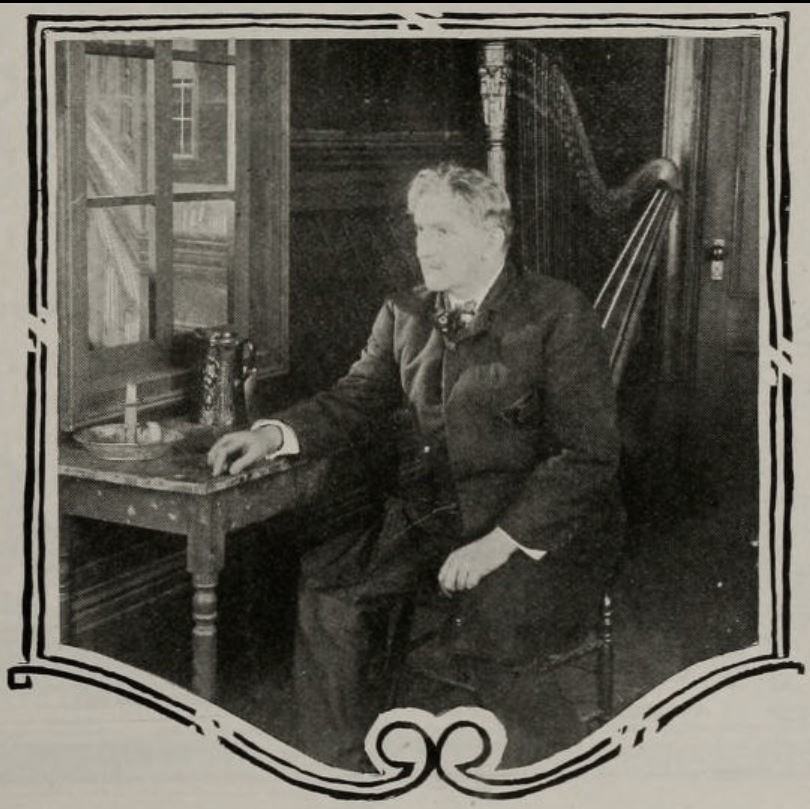
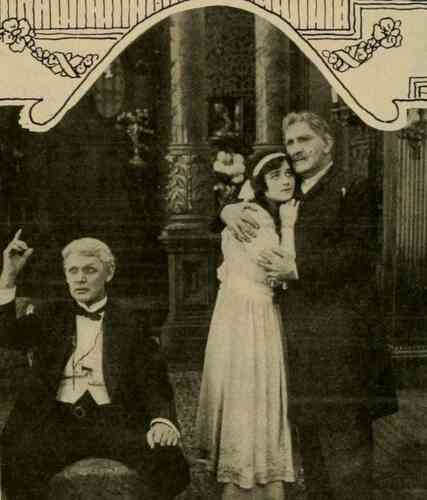
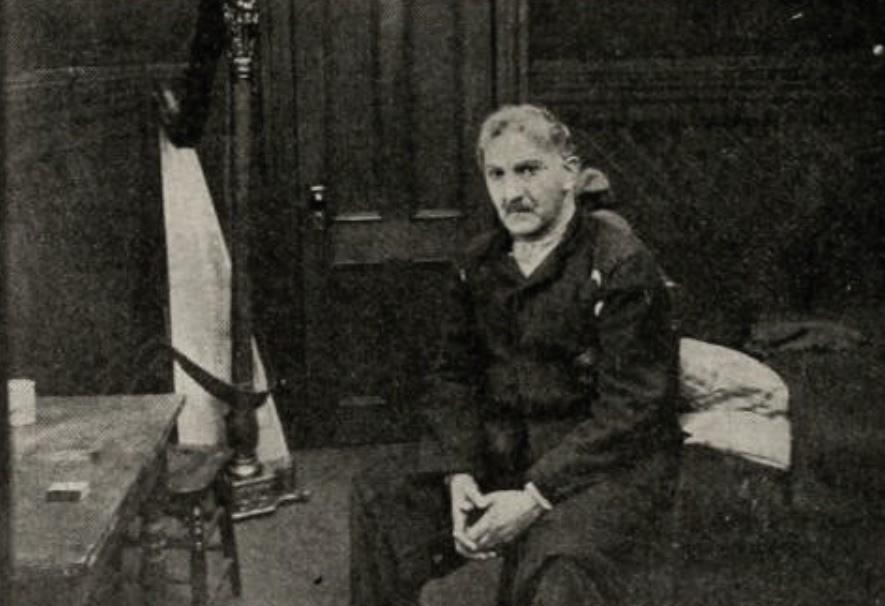
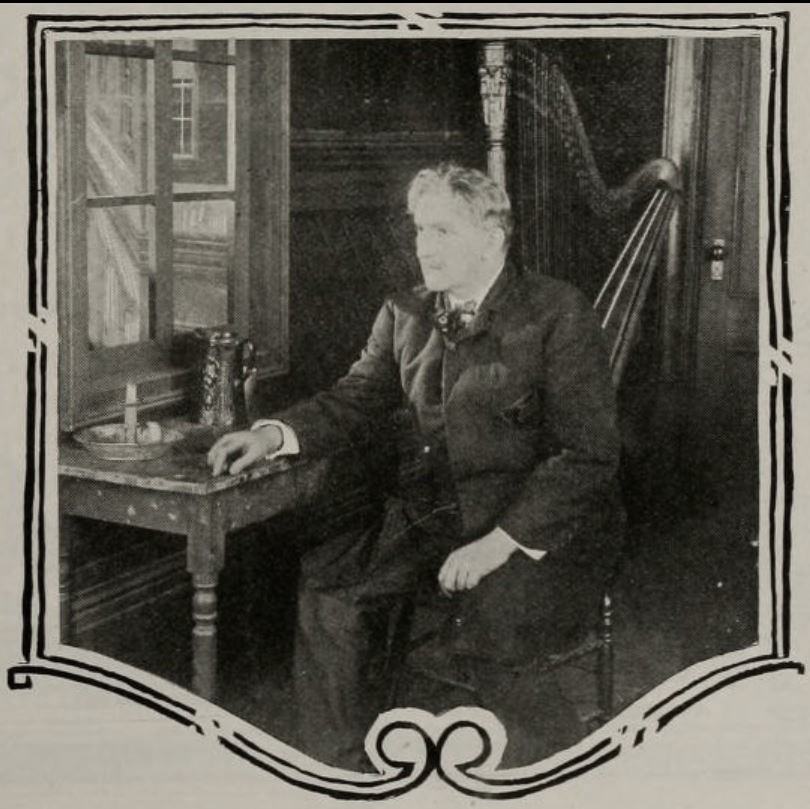
Carl Winters is a teacher of music, at the New York College of Music. Among his pupils is Alice Winthrop, daughter of Stephen Winthrop, a banker. Carl and Alice are lovers. His employer, Director Bergh, witnesses a love scene between the two in the college. He dismisses Carl and informs the father of Alice of her love affair. The banker warns Alice that she must not see Winters again. The girl assures her father of Carl's honorable intentions and pleads to have him grant Winters an interview. The banker refuses. The girl tells Carl what has happened and that her father will leave the city with her for a long period. Carl asks her to become his wife. She consents and they are married. When Alice tells her father of her marriage, he orders her from his home. Carl and Alice spend their honeymoon in Carl's boarding house. Carl accepts an offer to become musical director in Rio De Janeiro. Alice promises to join him there as soon as he is established. Several months pass. The banker learns that his daughter is to become a mother. Mr. Winthrop goes to her and persuades her to return to his home. Alice, in her correspondence with her husband, has not told him of her secret so as to cause him no worry in his new position. Winthrop in his hatred for Carl intercepts and destroys the letters and cables which the husband and wife send to each other. Carl has met with success in his new position but is distressed at receiving no news from his wife. A daughter is born to Alice, who dies from septic poisoning. Carl, alarmed by his wife's silence, resolves to return and to bring his wife back with him. Before his departure he receives a cable from her father announcing the death of his daughter, Carl's wife. After a long illness, Carl leaves the hospital, friendless and disheartened. He earns a livelihood singing in amusement places, accompanied by a harp player, a faithful fellow, devoted to Carl, his teacher. Years have gone by and Carl's daughter, of whose existence he has been kept ignorant, is now a girl of seventeen years. Her father in South America has become gray and old and is making a living as a street singer. His wish is to visit the grave of his wife and he returns with his harpist to New York. One day his daughter while out riding is attracted by the sounds of music. She speaks to the singer and invites him to come to her home the next day, which is her birthday, to play and sing for her. Carl consents. Carl and the harpist go to the Winthrop home and he sings for the young girl, whose identity is unknown to him, the song he had often sung tor his wife for whom he composed it. The girl goes to dress for dinner, asking Carl to continue the song. He sees a photograph. It is the portrait of his wife. The banker enters and accuses Carl and the harpist of being impostors and thieves. Carl learns from Winthrop that the young girl is the child of Winthrop's daughter, Carl's own child. Winthrop orders Carl from the house when Carl tells him that he is the father of the girl. The banker offers Carl money to conceal his identity. Carl refuses the money, but resolves to go out of his daughter's life to preserve her happiness. After a final meeting with his daughter, he is about to leave the house when the banker, filled with remorse, tells his grandchild, "Alice, this man is your father. You must honor thy father and thy mother, so sayeth the Fifth Commandment." The story ends with father and daughter embracing, the banker asking Carl's forgiveness.
Review Excerpt
"
New York, 1915: electric bulbs still flicker like nervous metronomes above Broadway, yet inside the New York College of Music gaslight pools on parquet floors, turning every chord into amber smoke. Carl Winters—collar frayed, cuffs ink-stained—lifts his baton less like Toscanini than like a man brandishing a last torch against nightfall. His gaze locks on Alice Winthrop, whose cashmere silhouette seems imported from another cosmos, one where debutantes waltz over the bones of the tenement poor..."