DbcultAccessing Vault...
Cult Review
Senior Film Conservator
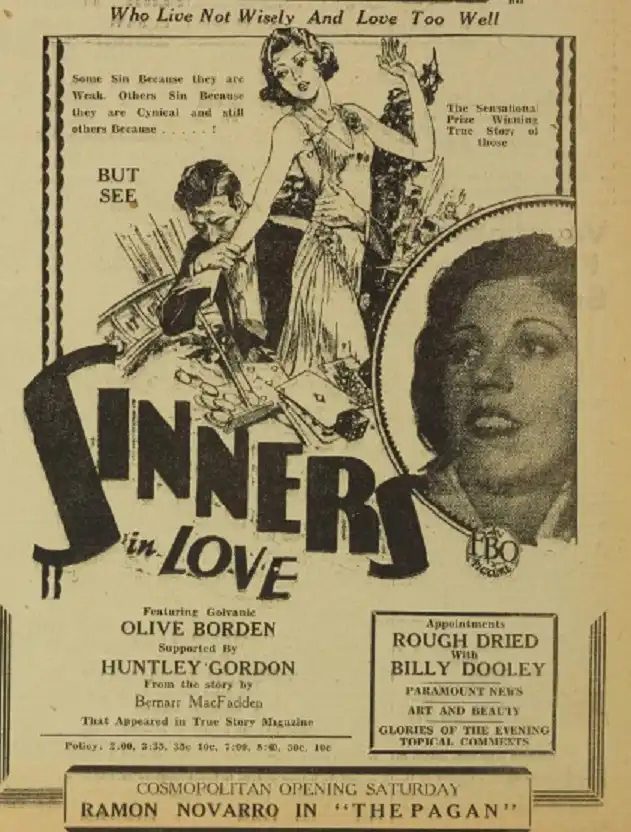
"Sinners in Love," a 1928 silent picture, is one of those films that really makes you think about how much has changed. 🤔 If you’re into old movies, the kind with dramatic intertitles and grand gestures, then absolutely, give it a shot. But if you expect snappy dialogue or fast-paced action, you’ll probably find yourself checking the clock. This one is for the patient folks, the ones who appreciate the craft of early cinema, not just the story itself.
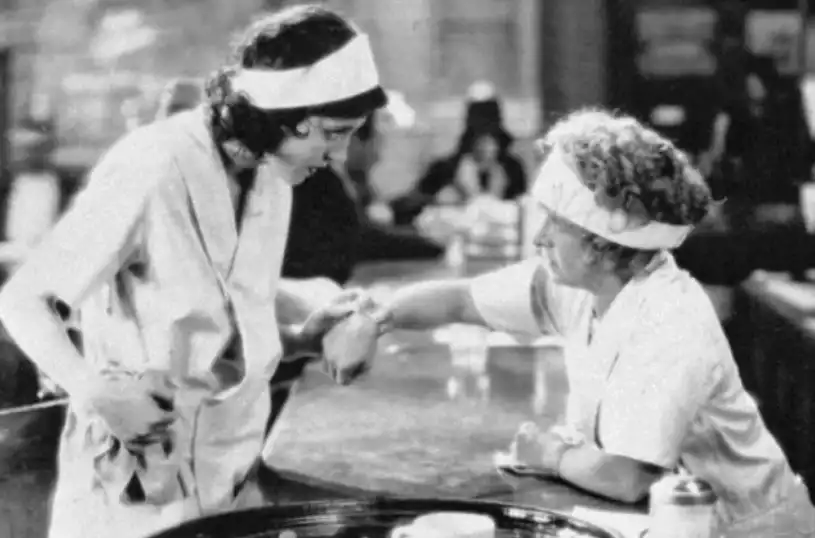
Olive Borden plays Ann Hardy, a small-town girl who heads to the big city. Her character feels a bit naive, almost too trusting, which sets her up perfectly for the heartbreak. You see it coming, of course. That's part of the silent film charm, the audience usually knows more than the protagonist.
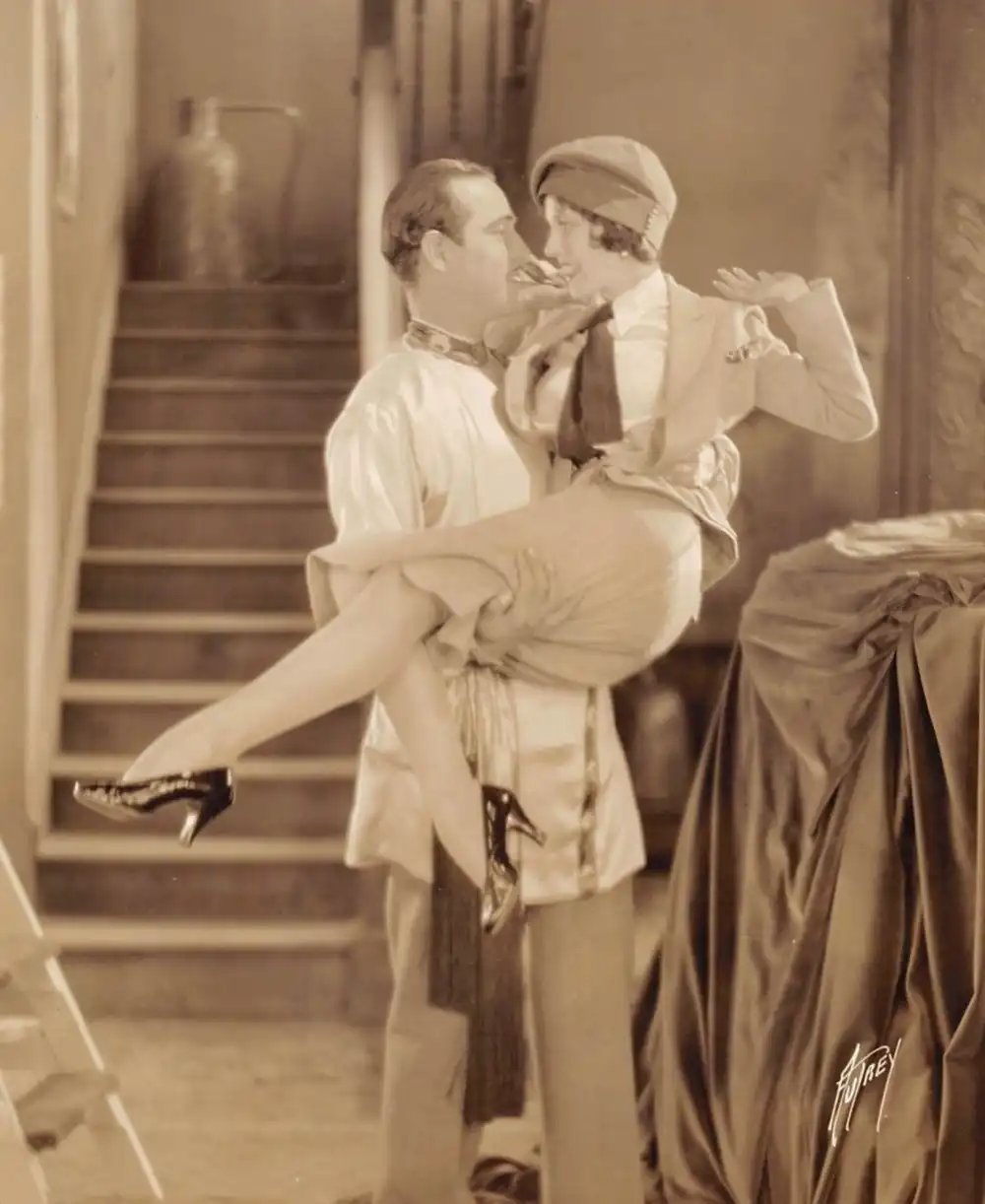
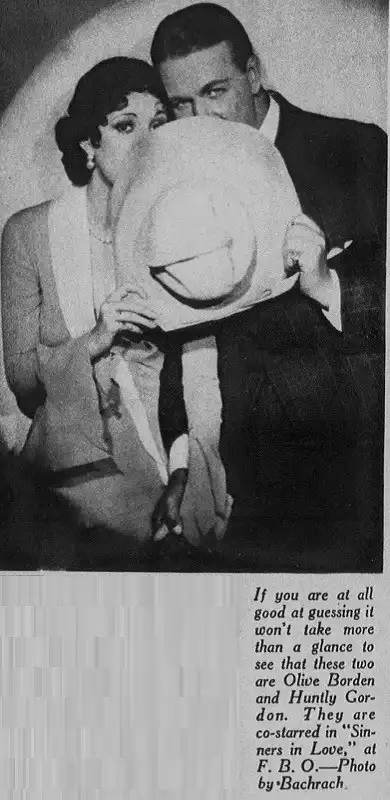
Huntley Gordon as Huntley Gordon (yes, the character has the same name as the actor, a fun little detail) is all smooth talk and empty promises. He’s got that classic cad look, a slick back hairdo and a way of holding himself that just screams "trouble." The way he tries to charm Ann, it's almost too easy for him.
There's a scene where Ann is just starting to fall for him, and the camera lingers on her face. It’s this hopeful, almost dreamy expression. Then, you see Gordon in the background, a quick shot, almost a flicker, where his eyes just dart away from her. He doesn’t look at her like she’s a person, more like a goal. That split-second shot really sells his character.
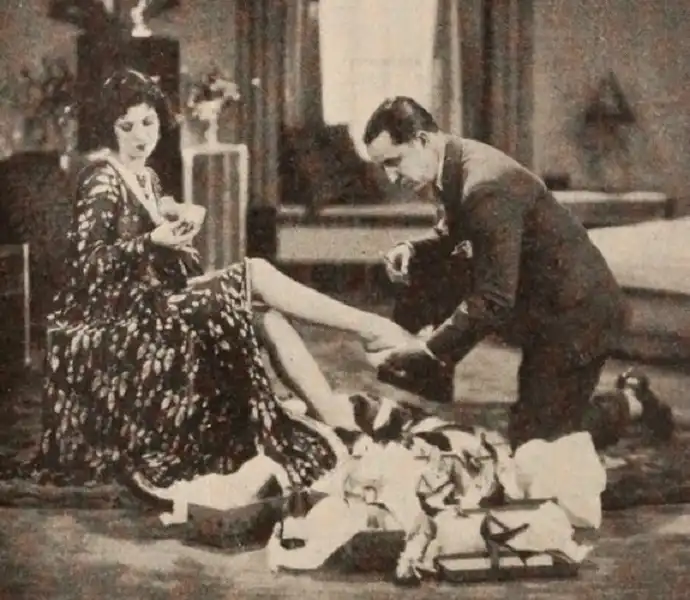
The plot, about him using her and her eventual heartbreak, isn’t revolutionary. But it’s the way Borden shows that heartbreak. Not with huge, over-the-top crying, but with this slow crumpling. Her shoulders slump, her eyes get wide, almost vacant. It feels surprisingly real for a silent film where everything can lean so dramatic.
Some of the supporting characters are a bit... thin. Seena Owen is there, and Daphne Pollard, but they mostly just provide reactions or move the plot along a tiny bit. You don’t really get a sense of who they are beyond their immediate function. That’s okay, though. This film is really Ann’s journey.
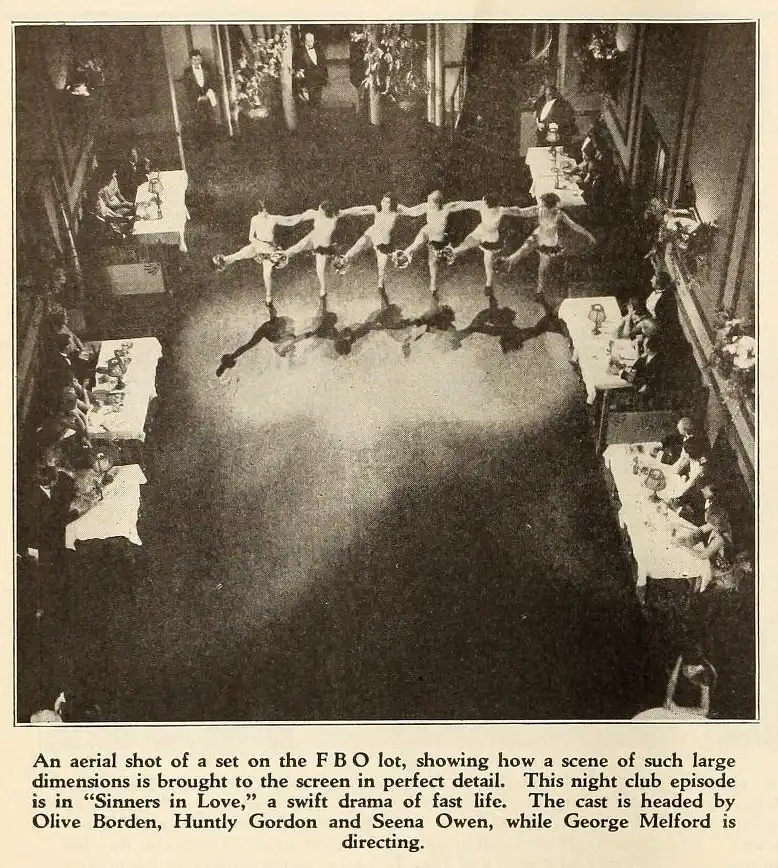
The city itself is a character, kind of. Or at least, the idea of it. It’s presented as this place of both opportunity and danger, all at once. The set designs, while simple, manage to convey a sense of bustling streets and dimly lit apartments. It’s not Greed, with its gritty realism, but it works for the story they’re telling.
There’s a sequence where Ann is just wandering after the betrayal. It goes on a bit. You see her walk past a shop, then another. It starts to feel a little repetitive, like the director really wanted to hammer home her aimlessness. A bit much, maybe. But then, she stops by a fountain, and the way she just stares into the water, it’s quiet. Really quiet. It’s a powerful image without any intertitles needed.
The film has a definite moralistic streak, as many films of this era did. Sinners, you know? It’s not subtle about it. But it doesn’t preach too hard. It mostly just shows the consequences of certain choices. And, let’s be honest, the consequences for Ann are pretty tough.
The ending is… well, it’s an ending. It tries to tie things up, but it leaves you thinking. Not in a profound way, more like, "Is that really how it would go?" It’s a little too neat, perhaps, given the messiness of the story up until then. But it was 1928, after all. Happy-ish endings were often expected.
Overall, "Sinners in Love" is a decent watch if you're exploring silent cinema. It’s got some truly affecting moments from Borden. Don’t go in expecting a forgotten masterpiece, but do expect a solid, emotional drama from a time when expressions and gestures were everything. You might find yourself cheering for Ann, even when you know how these stories often unfold.
IMDb —
1932
Community
Log in to comment.