DbcultAccessing Vault...
7/10
Senior Film Conservator
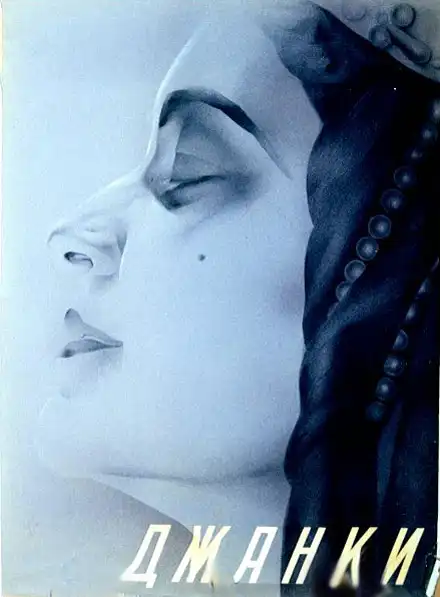
A definitive 7/10 rating for a film that redefined the boundaries of cult cinema. Djanki Guriashi remains a cornerstone of transgressive art.
So, you're looking at "Djanki Guriashi" and wondering if it’s worth tracking down in this day and age? 🤔 Well, if you’ve got a real soft spot for historical dramas, especially those rooted in a specific cultural struggle, then yes, give it a shot. This one's for the patient viewer, someone who appreciates a glimpse into a time and place often overlooked by mainstream cinema.
However, if you're expecting fast-paced action or slick modern storytelling, you’ll probably find yourself a bit bored. It’s definitely *not* for the casual viewer who just wants something flashy to put on in the background. This film demands your attention, almost like a history lesson, but with feelings.
The movie throws us right into 19th-century Guria, a region in western Georgia, where people are really fed up with the Russian Empire’s colonial antics. It’s a story about a big revolt, about folks pushing back when they’ve had enough. You see the sparks of rebellion, the quiet planning, and then the eruption of a whole community against an occupying force.
What really stuck with me was this early scene, not even a major plot point, but just a woman husking corn. The camera just… stays there. For a good long while. It’s not flashy, it’s not dramatic, but it grounds you. You feel the rhythm of life *before* the storm. It’s these little, quiet moments that really give the film its texture. They make the eventual uprising feel more earned, more human.
There's a lot of focus on the faces, especially during the village gatherings. You can read the frustration, the fear, and then the slow burn of determination. Nikoloz Eliozishvili, playing one of the leaders, has this incredible quiet intensity. He doesn't need big speeches; a look, a slight shift in his posture, tells you everything about the weight he carries. It's subtle, but it's **powerful acting**.
One moment that really stands out: the scene where the villagers decide to officially resist. It’s not some grand, theatrical declaration. It's a bunch of people, huddled, speaking in hushed tones. The camera pans across their faces, and you see the flicker of resolve. Then, one old man, I think it was Kote Andronikashvili, just *nods*. A small gesture, but it felt like the entire weight of their future rested on that single, firm nod. It was chilling, in a good way.
The portrayal of the Russian soldiers, they're almost a monolithic force. Not much nuance there, but then again, from the perspective of the Gurians, they *were* the enemy, an oppressive presence. So, it makes sense. It’s not trying to be a balanced political commentary, it’s telling *their* story.
The pacing is… deliberate. Some might call it slow. I'd call it immersive. It gives you time to really soak in the atmosphere of rural Guria. You hear the wind, the creak of old wooden doors. It’s less about propelling the plot forward and more about letting you *exist* in that historical moment. There's a particular shot of horses galloping across a wide, open field. It goes on a bit. You wonder why. Then you realize it’s just showing the vastness, the freedom they’re fighting for.
There are some parts where the audio feels a bit… muffled. Like it was recorded in a big room with too much echo. But honestly, it kinda adds to the **old-film charm**. You know? It makes it feel like you’re watching something truly unearthed from the past. Not a polished, modern reconstruction.
The film isn't about individual heroics in the same way a Hollywood movie might be. It’s about the collective spirit. Tamara Bolkvadze, for example, plays a woman who isn't on the front lines, but her quiet strength and support are just as crucial. Her scenes often involve preparing food or comforting children, but her eyes convey so much unspoken defiance. It's a reminder that resistance comes in many forms.
I did find myself sometimes losing track of exactly *who* was who among the many village elders. They all blend a little. But then, maybe that’s the point too. It’s not about one face, but the faces of a community. The crowd scenes have this raw energy; you can almost smell the dust and the fear. The way they rally, the way they *move* together, it’s quite something.
There's a bit toward the end, a sort of montage of small victories and losses, that feels almost like a folk song. It’s not about grand battles, but skirmishes, acts of sabotage. A cart overturned. A small group ambushed. It’s messy, it’s real, it’s not tidy. And it felt very authentic to a localized uprising.
It’s a film that respects its subject matter, treating the Guria revolt with a solemn, almost reverent tone. It doesn't try to glamorize the violence, but it certainly shows the **cost of oppression**. You can almost feel the movie trying to convince you this moment matters, and by the end, it does.
If you're a student of history, particularly Eastern European or Caucasian history, this is definitely a find. It’s a window. Not a perfect window, maybe a little dusty, but a window nonetheless into a very specific and important struggle. It might not be for everyone, but for the right viewer, it offers a quietly powerful experience. Give it a try, but bring your patience and an open mind. 😌
IMDb —
1925
Community
Log in to comment.