DbcultAccessing Vault...
Cult Review
Senior Film Conservator
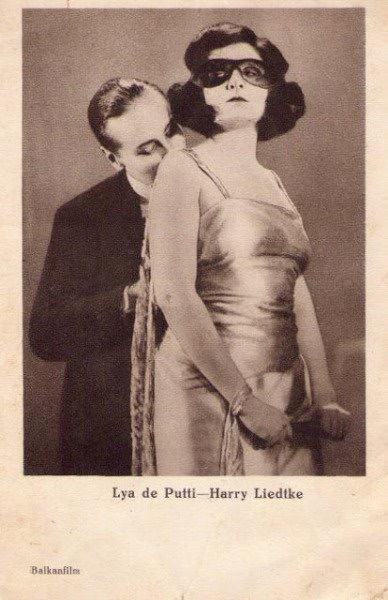
The silent era, a period often lauded for its dramatic prowess and groundbreaking visual storytelling, also possessed a unique talent for translating the effervescent joy and intricate plotting of operetta to the screen. Among these captivating adaptations, the 1923 German film Die Fledermaus stands as a testament to this particular alchemy, transmuting Johann Strauss II's beloved score into a symphony of gesture, expression, and meticulously crafted mise-en-scène. Directed by Max Mack, with a screenplay by Mack himself, Hans Steinhoff, and Robert Liebmann, this cinematic rendition navigates the labyrinthine corridors of social pretense and marital infidelity with an infectious gaiety that belies its lack of audible music. It’s a film that demands a keen eye, rewarding the attentive viewer with a cascade of visual gags, nuanced performances, and a palpable sense of the era’s theatrical grandeur.
At its heart, Die Fledermaus is a masterclass in comedic timing, a meticulously wound clockwork of human folly. The narrative pivots on a simple premise: the elaborate revenge plot conceived by Dr. Falke (Jakob Tiedtke) against his friend Gabriel von Eisenstein (Ernst Hofmann). Eisenstein, a man of leisure and somewhat dubious moral compass, is due to serve a short prison sentence. Falke, however, persuades him to attend a magnificent masquerade ball hosted by the eccentric Prince Orlofsky (Wilhelm Bendow) before surrendering to the authorities. This seemingly innocuous detour sets into motion a cascade of mistaken identities, flirtations, and comical misunderstandings that form the backbone of the film’s charm. The genius lies not just in the setup, but in the execution, where every knowing glance, every exaggerated gesture, and every perfectly timed intertitle works in concert to evoke the operetta's sparkling wit without a single sung note.
The visual language of Die Fledermaus is a feast for the eyes, reflecting the opulent aesthetic of Weimar Republic cinema. The sets, particularly those depicting Prince Orlofsky’s palatial ballroom, are sumptuously designed, brimming with intricate details that transport the audience directly into a world of aristocratic indulgence. The costumes, too, play a pivotal role, especially the dazzling array of masquerade attire that both conceals and reveals the true identities and intentions of the characters. Rosalinde’s Hungarian countess disguise, Adele’s charming maid’s uniform, and Eisenstein’s various guises are not merely sartorial choices but essential components of the comedic mechanism. The lighting often employs a dramatic, almost expressionistic flair, particularly in scenes of clandestine meetings or moments of dramatic revelation, adding depth and shadow to the otherwise lighthearted proceedings. This visual richness distinguishes it from simpler narratives like Some Judge, which, while charming, operates on a more straightforward visual economy, prioritizing direct storytelling over elaborate spectacle.
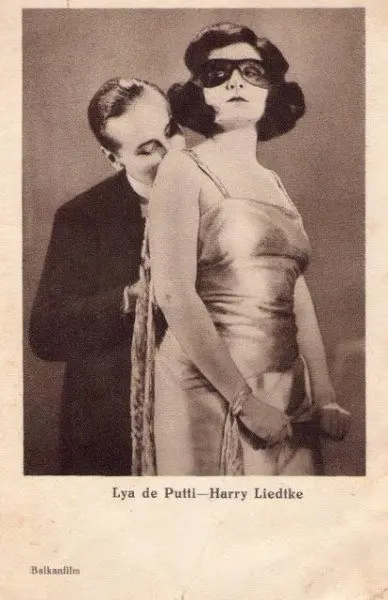
The performances are uniformly excellent, a vibrant showcase of silent acting at its peak. Ernst Hofmann, as the philandering Eisenstein, perfectly embodies the character's blend of arrogance and susceptibility. His exaggerated double-takes and flustered expressions are a masterclass in silent comedic timing, making his character both detestable and endearing in equal measure. Lya De Putti, as Rosalinde, brings a captivating blend of elegance and mischievousness to her role. Her transformation into the Hungarian countess is a highlight, allowing her to unleash a more playful and daring side, her eyes sparkling with a knowing wit as she ensnares her unwitting husband in her own web of deceit. De Putti, a star known for her captivating screen presence in films like The Forbidden Woman, here demonstrates her versatility, oscillating between the wronged wife and the alluring femme fatale with impressive agility.
Eva May, as the ambitious maid Adele, delivers a performance brimming with youthful vivacity and theatrical aspiration. Her longing for a career on the stage is palpable, and her spirited efforts to blend into high society at the ball are both humorous and touching. Jakob Tiedtke, as the orchestrator Dr. Falke, is the calm, calculating center of the storm, his subtle smirks and deliberate actions guiding the chaos with a quiet authority. His understated performance is crucial, providing the necessary contrast to the more flamboyant antics of the other characters. The ensemble cast further elevates the film: Hans Junkermann as the jovial prison governor Frank, Paul Graetz, Wilhelm Bendow as the flamboyant Prince Orlofsky, Hugo Döblin, Harry Liedtke, Paul Heidemann, Hermann Picha, Ilka Grüning, and Albert Patry all contribute to a tapestry of vivid characterizations, each actor understanding the intricate demands of silent comedy and dramatic irony. Their collective efforts ensure that even without dialogue, the personalities are distinct and the relationships compelling.
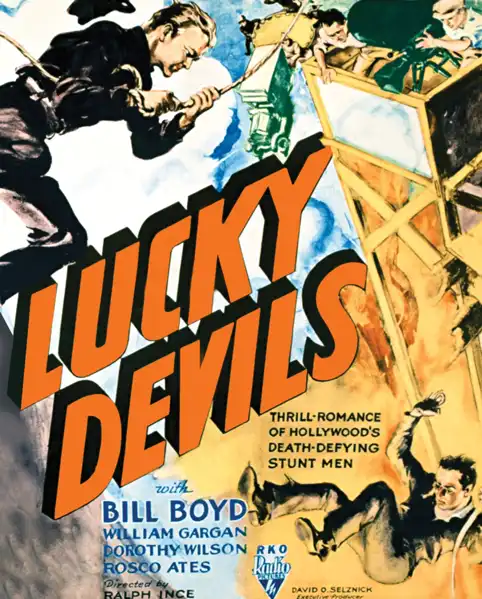
The narrative structure, expertly managed by the screenwriters, ensures a relentless pace of escalating comedic tension. Each character’s secret agenda intertwines with another’s, creating a complex yet utterly comprehensible web of deception. The film’s strength lies in its ability to maintain clarity amidst this intricate plotting, a feat that requires precise visual storytelling and well-placed intertitles. Unlike the more overtly dramatic narrative of a film like The Intrigue, where suspense builds through direct conflict, Die Fledermaus builds its momentum through the delicious anticipation of discovery, the audience always aware of more than the characters, savoring the inevitable unraveling. The humor often derives from the characters’ oblivious self-importance and the sheer audacity of Falke’s scheme, a sophisticated form of situational comedy that transcends the limitations of the silent medium.
A particularly insightful aspect of Die Fledermaus is its subtle social commentary. While primarily a comedy, it gently pokes fun at the hypocrisy and superficiality of the upper classes. The masquerade ball, a setting of ultimate anonymity, allows characters to shed their societal roles and indulge in desires that would otherwise be frowned upon. This blurring of lines, where a maid can pose as a lady and a husband can flirt with his own disguised wife, highlights the arbitrary nature of social distinctions and the universal human propensity for mischief. The film implicitly critiques the institutions of marriage and justice, showing how easily they can be circumvented or manipulated for personal gain or amusement. This subtle critique is reminiscent of the social observations found in films like Heads Win, though Die Fledermaus couches its observations in a lighter, more satirical tone.
The climax of the film, set in the prison where Eisenstein is finally meant to report, is a masterstroke of comedic resolution. As all the disparate threads converge – Rosalinde, Adele, Falke, Frank, and Eisenstein himself, all arriving for various reasons – the truth is unveiled in a series of uproarious revelations. The 'Bat's Revenge' is finally explained, and the characters are forced to confront their own deceptions. Yet, in the spirit of operetta, the resolution is not punitive but rather celebratory, a testament to the enduring power of forgiveness and the communal joy of a good prank. The film understands that the audience, having been complicit in the secret, desires not harsh judgment but a satisfying, humorous conclusion.
Max Mack's direction is precise and inventive. He utilizes the camera not merely to record the action but to enhance the comedic effect, employing close-ups to capture nuanced expressions and wide shots to convey the grandeur of the settings. His pacing is impeccable, allowing moments of visual humor to breathe while maintaining a brisk narrative flow. The use of split screens or clever transitions, though not as overtly experimental as some of the more avant-garde works of the era, serves the story with elegance and efficiency. The collaborative effort between Mack and his writers, Steinhoff and Liebmann, is evident in the seamless translation of a complex stage work into a compelling cinematic experience. Their ability to distill the essence of the operetta – its melodies implied through rhythm and movement, its dialogue conveyed through intertitles and expressive acting – is truly commendable.
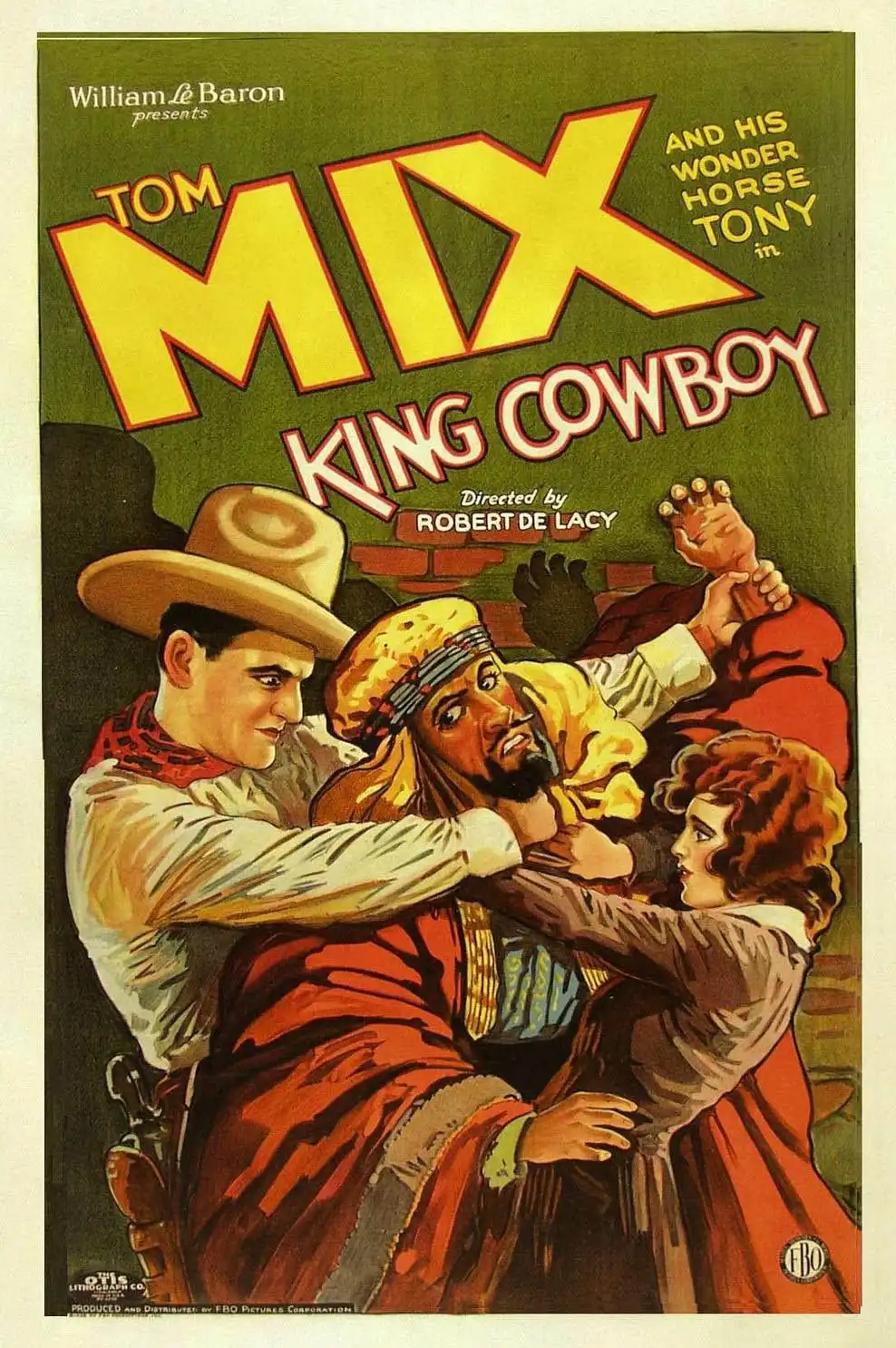
Comparing Die Fledermaus to other silent films of its time reveals its distinct qualities. While films like National Red Cross Pageant might focus on grand spectacle for a cause, or Poludevy might delve into more psychological depths, Die Fledermaus carves its niche through sheer entertainment and sophisticated farce. It's less about grand pronouncements or stark realism and more about the sheer joy of artifice and the delightful chaos of human interaction. The film demonstrates that silent cinema was not a monolithic entity but a diverse landscape capable of accommodating a wide range of genres and stylistic approaches, from the melodrama of Hell Morgan's Girl to the adventure of The Great Radium Mystery.
The enduring appeal of Die Fledermaus lies in its timeless themes: the allure of forbidden romance, the thrill of deception, and the ultimate triumph of good humor. Even without Strauss's iconic waltzes, the film manages to convey a sense of musicality through its rhythmic editing and the graceful movements of its performers. It’s a work that proves the universal language of comedy and the power of visual storytelling to transcend cultural and linguistic barriers. For those interested in the rich tapestry of silent German cinema, or indeed, in the art of adaptation itself, this film offers a delightful and insightful journey. It stands as a vibrant example of how a beloved operatic masterpiece could find a new, equally captivating voice in the nascent art form of the moving picture. Its legacy is not just as a historical artifact, but as a genuinely entertaining and skillfully crafted piece of cinematic art that continues to charm audiences nearly a century after its initial release.
In an era that sometimes privileged stark realism or melodramatic excess, Die Fledermaus offered a refreshing dose of sophisticated escapism. It’s a film that asks its audience to revel in the sheer joy of performance, to appreciate the intricate dance of human foibles, and to acknowledge the lighter side of life’s complications. The vibrant characterizations by the cast, from the blustering charm of Ernst Hofmann to the captivating allure of Lya De Putti and the spirited performance of Eva May, are etched into the film's fabric, giving it a lasting resonance. The clever intertitles, often imbued with a sarcastic wit, provide not just exposition but also a narrative voice that guides the audience through the comedic labyrinth. This careful attention to detail, from the grandest ballroom set to the most subtle facial twitch, ensures that the film remains engaging and thoroughly enjoyable, a testament to the meticulous craftsmanship prevalent in German cinema of the early 1920s.
The film's exploration of identity, a recurring theme in many silent narratives, is particularly nuanced here. Masks and disguises aren't merely plot devices; they are symbols of the various roles people play in society and within their relationships. The freedom that anonymity brings at the masquerade allows characters to momentarily shed their burdens and act on impulses, only to face the consequences when the masks are inevitably removed. This thematic depth elevates Die Fledermaus beyond a simple farce, grounding its humor in relatable human experiences. It showcases the universal desire for a temporary escape from reality, a fleeting moment of uninhibited self-expression before the constraints of conventional life reassert themselves. The film, therefore, is not just a comedic romp but a subtle reflection on the nature of self and society, delivered with an elegant touch that remains captivating to this day.
Ultimately, Die Fledermaus is a delightful cinematic confection, a testament to the versatility and artistry of silent film. It captures the spirit of the operetta with remarkable fidelity, translating its humor, its romantic entanglements, and its social satire into a vibrant visual spectacle. For anyone with an appreciation for classic cinema, for sophisticated comedy, or for the sheer ingenuity of early filmmaking, this adaptation is an essential watch. It reminds us that even without the soaring melodies of Strauss, the 'Bat's Revenge' can still take flight, soaring with laughter and charm, leaving an indelible mark on the landscape of cinematic history. The film is a vibrant, sparkling jewel in the crown of German silent cinema, proving that a well-told story, brought to life by expressive performances and imaginative direction, can captivate across generations, regardless of its lack of spoken words.

IMDb —
1923
Community
Log in to comment.