DbcultAccessing Vault...
6.1/10
Senior Film Conservator
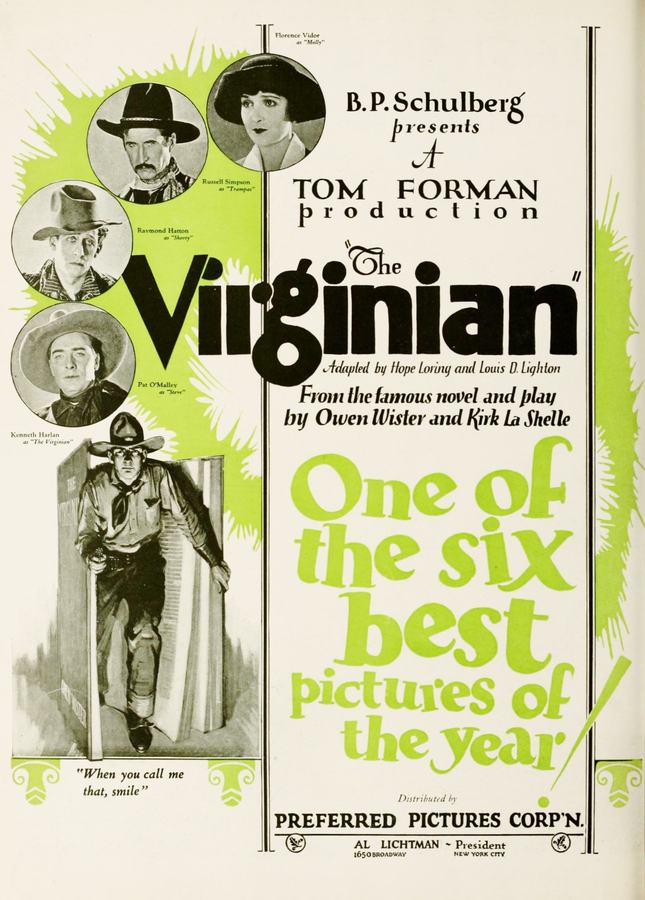
A definitive 6.1/10 rating for a film that redefined the boundaries of cult cinema. The Virginian remains a cornerstone of transgressive art.
The cinematography of The Virginian is a masterclass in capturing the essence of the American West, with its vast expanses of untamed land, rugged cowboys, and the unrelenting sun beating down upon the characters as they navigate the intricate web of relationships and loyalties that define their lives. The film's use of lighting is particularly noteworthy, as the interplay of light and shadow adds depth and nuance to the narrative, drawing the viewer into the world of the characters and refusing to let go.
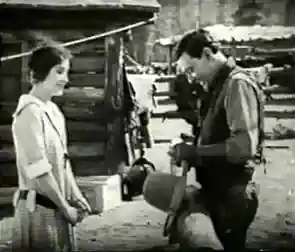
At the heart of the film is the complex and often fraught relationship between the Virginian and his best friend Steve, played by Kenneth Harlan and Russell Simpson respectively. The chemistry between the two actors is palpable, and their characters' bond is convincingly portrayed as one of deep affection and loyalty, making the eventual betrayal all the more heartbreaking and poignant. This nuanced exploration of male relationships is a hallmark of the film, and one that adds richness and depth to the narrative.
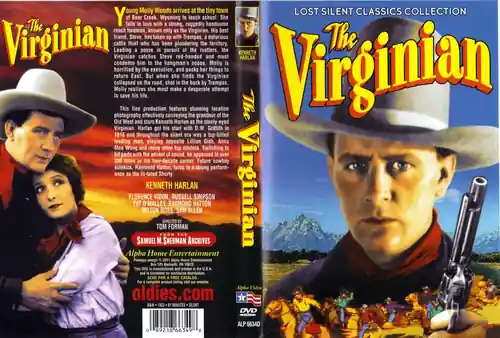
The character of Molly Wood, played by Florence Vidor, is a fascinating and multifaceted one, full of contradictions and surprises. On the one hand, she is the quintessential schoolmarm, with all the virtues and values that that role implies; on the other hand, she is a woman of passion and fire, with a deep sense of loyalty and commitment to those she cares about. Her romance with the Virginian is a slow-burning one, filled with moments of tenderness and intimacy that are all the more affecting for their subtlety and restraint.
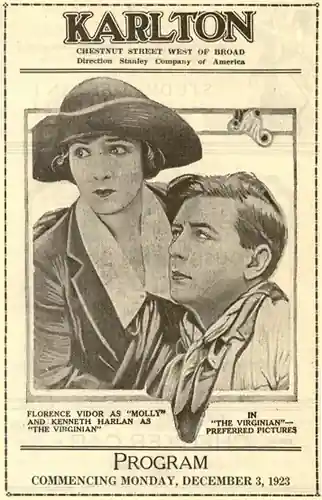
The film's themes of loyalty, duty, and honor are timeless and universal, speaking to fundamental aspects of the human experience that transcend time and place. The Virginian's decision to hang his friend Steve, despite their deep bond, is a powerful exploration of the complexities of loyalty and the difficult choices that must sometimes be made in the name of duty and principle. This nuanced and thought-provoking exploration of the human condition is a hallmark of the film, and one that adds depth and richness to the narrative.
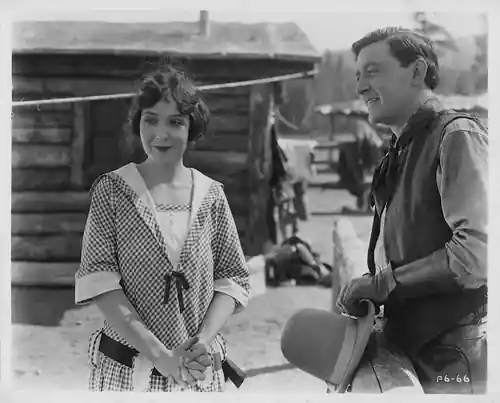
In comparison to other films of the era, such as From Hand to Mouth and Billy Whiskers, The Virginian stands out for its thoughtful and nuanced exploration of the human condition. The film's use of symbolism, particularly in its portrayal of the American West as a place of freedom and possibility, is also noteworthy, adding an extra layer of depth and meaning to the narrative. This use of symbolism is reminiscent of films like Cupid's Brand and The Price of Her Soul, which also explore the complexities of human relationships and the power of symbolism in storytelling.
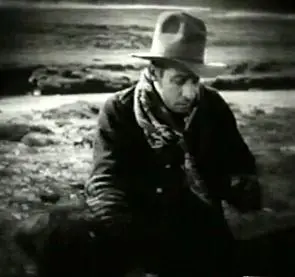
The film's pacing is well-balanced, with a narrative that flows smoothly and effortlessly from one scene to the next. The editing is crisp and efficient, with a keen sense of rhythm and timing that adds to the overall tension and drama of the film. The cinematography, as mentioned earlier, is superb, with a keen eye for detail and a deep understanding of the ways in which lighting and composition can be used to create mood and atmosphere.
In terms of its place within the broader context of cinematic history, The Virginian is a significant film, one that showcases the artistry and craftsmanship of the silent era. The film's use of title cards, for example, is noteworthy, as they add an extra layer of depth and meaning to the narrative, providing context and commentary on the action unfolding on screen. This use of title cards is reminiscent of films like Fires of Rebellion and Sunshine Alley, which also explore the complexities of human relationships and the power of storytelling.
The character of Trampas, played by Victor Potel, is a fascinating and complex one, full of contradictions and surprises. On the one hand, he is a villain, a man of cunning and deceit who will stop at nothing to get what he wants; on the other hand, he is a deeply human figure, driven by a desire for connection and belonging. His relationship with the Virginian is a fraught and complicated one, filled with moments of tension and drama that are all the more affecting for their subtlety and restraint.
The film's exploration of the human condition is a nuanced and thought-provoking one, filled with moments of insight and understanding that are all the more affecting for their subtlety and restraint. The Virginian's decision to hang his friend Steve, for example, is a powerful exploration of the complexities of loyalty and the difficult choices that must sometimes be made in the name of duty and principle. This nuanced and thought-provoking exploration of the human condition is a hallmark of the film, and one that adds depth and richness to the narrative.
In comparison to other films of the era, such as Eye for Eye and The Day She Paid, The Virginian stands out for its thoughtful and nuanced exploration of the human condition. The film's use of symbolism, particularly in its portrayal of the American West as a place of freedom and possibility, is also noteworthy, adding an extra layer of depth and meaning to the narrative. This use of symbolism is reminiscent of films like The Third Degree and Tangled Lives, which also explore the complexities of human relationships and the power of symbolism in storytelling.
The film's climax, in which the Virginian confronts Trampas in a dramatic showdown, is a masterclass in suspense and tension, with a narrative that builds to a satisfying and emotionally resonant conclusion. The use of music, particularly in the final scenes, is also noteworthy, adding an extra layer of depth and emotion to the narrative. This use of music is reminiscent of films like The Magic Skin, which also explores the complexities of human relationships and the power of music in storytelling.
IMDb —
1921
Community
Log in to comment.