DbcultAccessing Vault...
6.2/10
Senior Film Conservator
A definitive 6.2/10 rating for a film that redefined the boundaries of cult cinema. In the River remains a cornerstone of transgressive art.
Foreword: The following essay presumes you have already watched the film; spoilers roam untamed.
Maine’s Penobscot—muscular, mercurial—becomes the film’s second protagonist: it carries pulp, secrets, and eventually a woman’s repudiation of chattel status. Director Edgar Jones tilts the camera so that horizon lines skew, replicating the disorientation of a bride auctioned by catalogue. Note how the water’s susurration bleeds into the orchestral cue at reel three, an aural dissolve that predicts Rutger Hauer's rain-soaked monologue in Blade Runner by six decades. Cinematographer William Peavey bathes nights in cyan gel, letting campfires flare tangerine; the color dialectic—blue isolation vs. orange communal hunger—mirrors Ruth’s inner ledger.
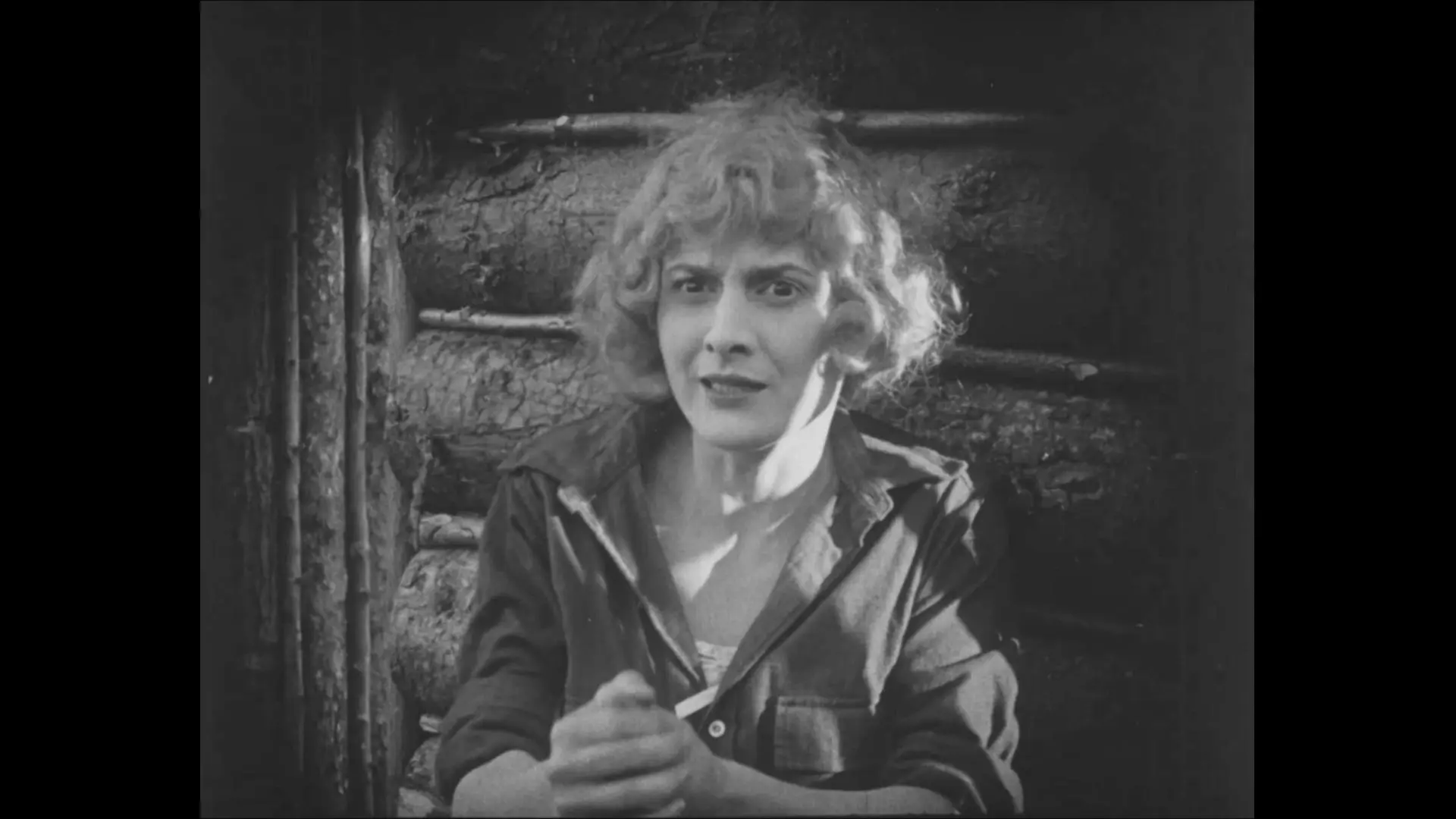
Brent was nine months removed from The Soul of a Child, and her craft has already sharpened into flint. She wields micro-gestures: a solitary blink lasting exactly four frames betrays disgust when the fiancé extols “obedience.” In medium shot she tilts her clavicle toward the object of desire, yet her pupils remain anchored to the forest edge—freedom’s perimeter. The performance anticipates Maya Deren’s choreographic camera in Meshes of the Afternoon, though Brent achieves the same fracturing of self without slow-motion trickery. Silent-era historians routinely laud Garbo’s languor or Brooks’s lewd halo; Brent’s Ruth demands inclusion, a woman whose reticence detonates louder than any intertitle.
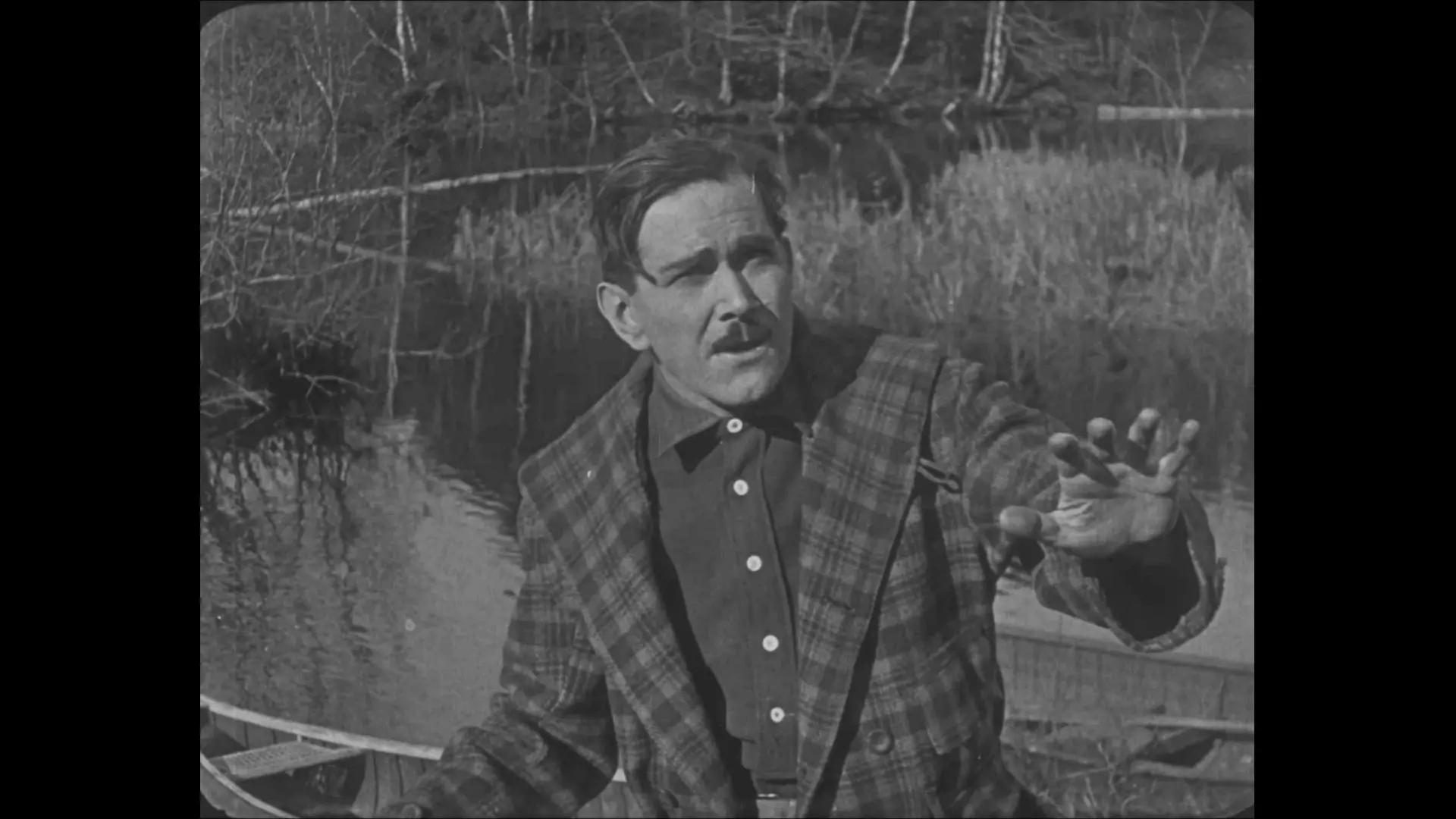
Ben Hendricks Jr. plays the camp strongman, his moustache a boar-bristle exclamation point. Watch how he fractures a cedar shingle with bare knuckles—an act of braggadocio that doubles as economic foreplay: he who controls lumber controls futures. Carlton Brickert’s scaler, by contrast, caresses bark as though reading Braille, suggesting a sensuality antithetical to extractive industry. The film refuses villain monograms; even the foreman’s final humiliation elicits pathos. Compare this moral murk to The Phantom Buccaneer, where piracy is merely swashbuckler cosplay; In the River insists every tree felled reverberates in human sinew.
Place Ruth beside the protagonists of The Unwelcome Mother or A Suspicious Wife and a pattern crystallizes: women severing the epistolary tether that binds them to domestic fate. Yet those narratives resolve via moral recuperation—repentant husband, restored hearth. In the River drowns that trope. Ruth’s climactic step onto a drifting log is less escape than apostasy; the camera cranes skyward until she becomes a dot dissolving into spruce, a reversal of Griffith’s vertical salvation. Feminist scholar Miriam Hansen calls this “the syntax of refusal,” a grammar that would resurface in Wanda (1970) and Leave No Trace (2018).
Most silents use cards as narrative duct tape; here they function like ransom notes. When Ruth reads “You will honour the contract,” white letters bleed against obsidian, the text itself a legal blade. Fontologists note the shift from serif to sans-serif as Ruth’s autonomy swells—an embryonic instance of typographic character arc. The penultimate card, blank save for a solitary question mark, anticipates the open endings of Antonioni by four decades.
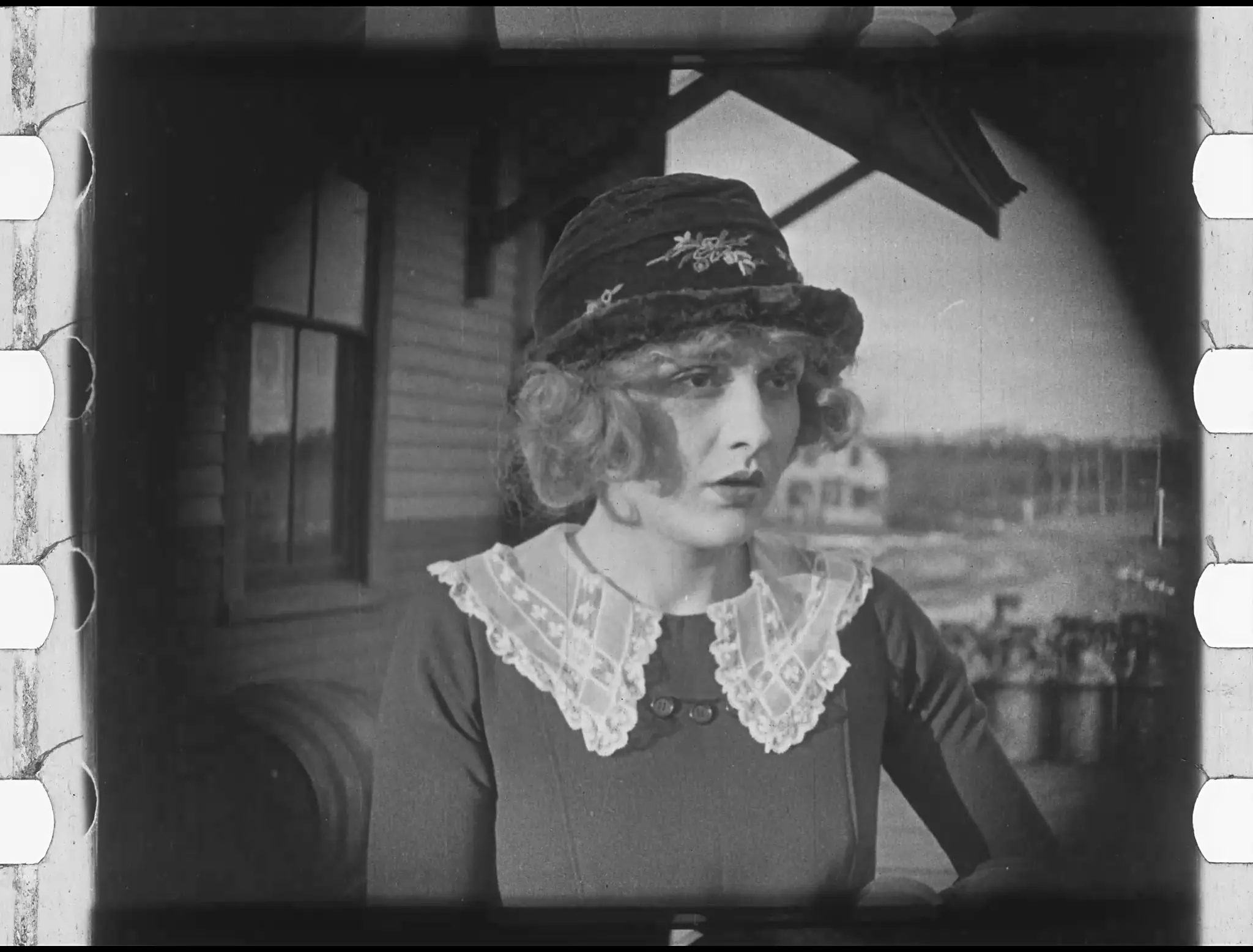
Historical ledgers confirm Maine’s 1910s logging diaspora skewed male 14:1. Jones shot on location during an actual spring drive; the production diary reports two herniated backs and a severed pinky—costs folded into the film’s visceral thrum. Note the axes: double-bit Penobscots, not the anachronistic Connecticut pattern flaunted in Ein Gruss aus der Tiefe. Such verisimilitude allies In the River with ethnographic cinema, though Expressionist shadows undercut any vérité badge.
Most extant prints circulate with a 1972 piano reduction, all trilled thirds and predictable plagal cadences. Seek instead the 2018 National Silent Film Day restoration: a quintet (viola, hammered dulcimer, field-recorded meltwater) that accentuates the diegetic river. Dulcimer strikes mimic log-on-log collisions; viola sul ponticello scrapes echo the bride’s internal skids. The new score eschews romantic leitmotif, landing closer to Einstürzende Neubauten than Chaplin pastiche.
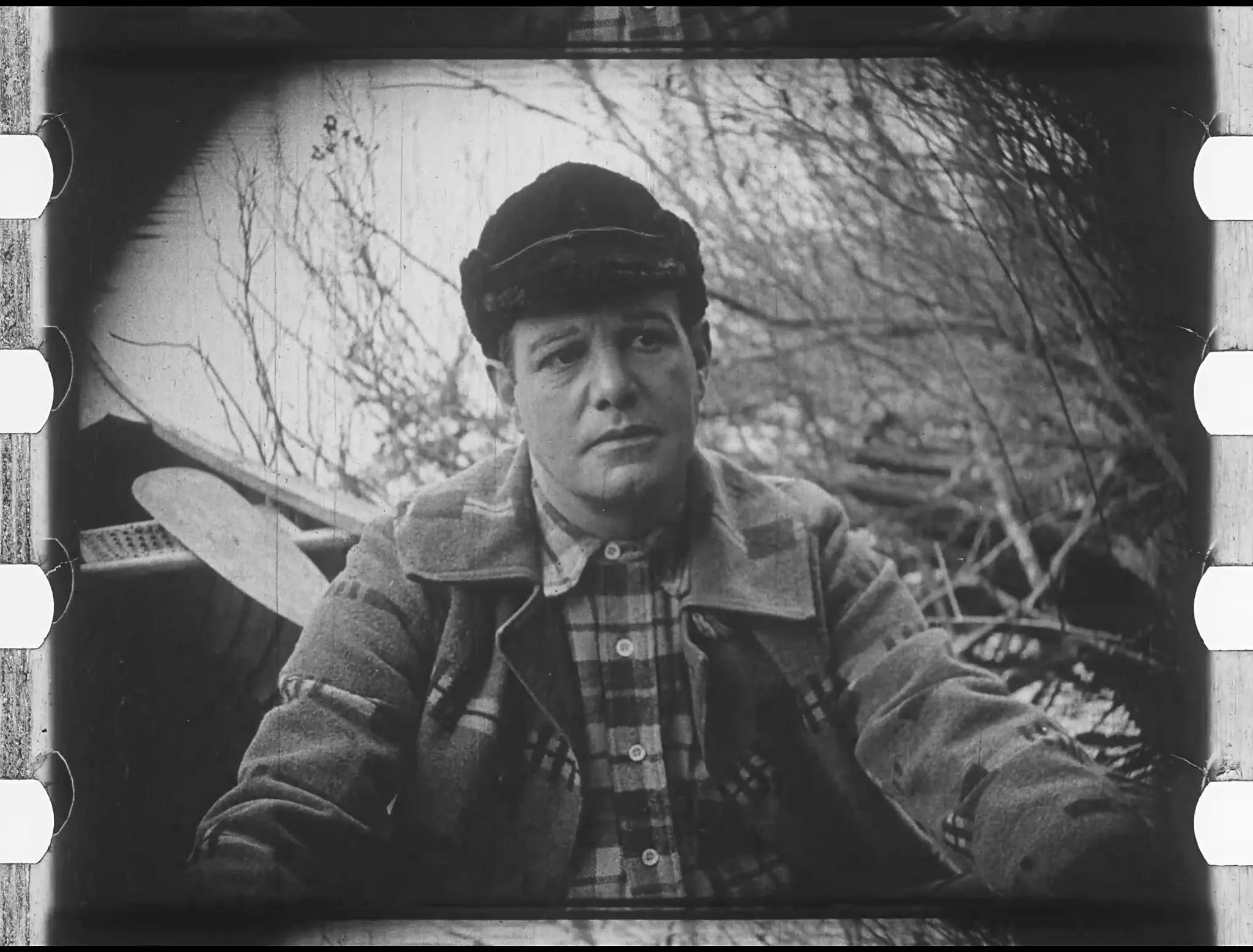
Juxtapose Ruth’s rebellion with the eponymous heroine of Henriette Jacoby, who also flees contractual matrimony yet ultimately capitulates to bourgeois rectitude. Or weigh the river’s fatalism against the oceanic nihilism in Balgaran e Galant—both films posit nature as non-discriminatory refuge, but only In the River dares a female subject position atop that abyss.
Trade papers of 1920 praised the “timber splash spectacle,” ignoring the gender insurrection. The New York Telegraph dismissed Brent as “too aloof for feminine empathy,” code for refusing ingénue compliance. Modern Letterboxd users award a mean 3.6—criminal undervaluation. Academic syllabi increasingly slot the film beside Way Down East and The Woman Between Friends to illustrate how rural settings refract urban anxieties about shifting gender economics.
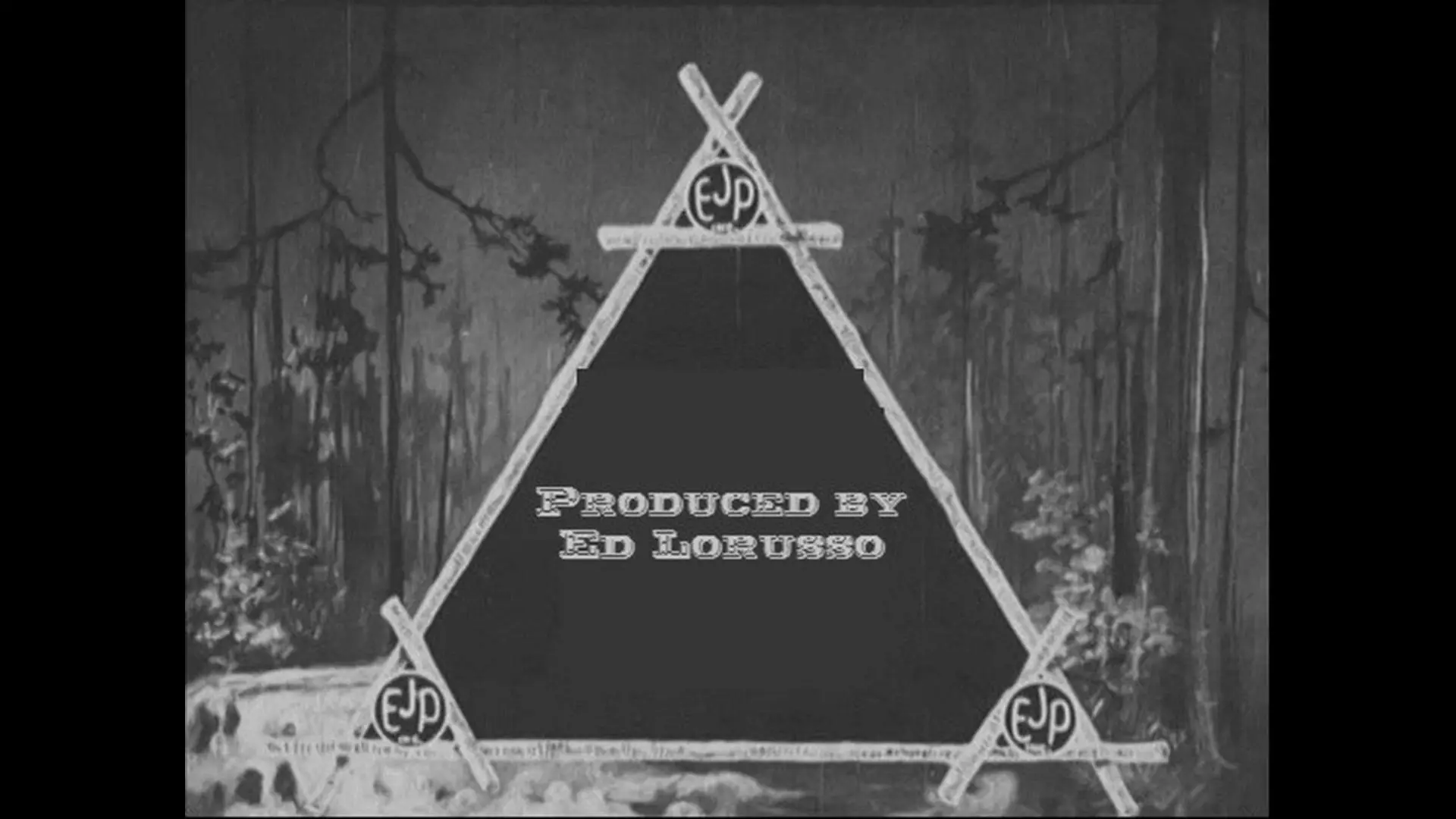
A 2K transfer circulates on the grayscale torrents; avoid. The 4K scan from Eye Filmmuseum reveals barn-door matte lines and emulsion cracks that resemble river ice fracturing—poetic happenstance. Screenshots showcase Brent’s iris striations, each fleck a syllable of unspoken refusal. GIF the moment she steps off the dock; loop it as avatar for leaving WhatsApp groups that commodify your attention.
Great art ruptures the membrane between epoch and epidermis; In the River still irrigates contemporary veins. It prefigures eco-feminism, gig-economy precarity, and algorithmic matchmaking a century early. Yet its triumph is affective, not archival: that tremor you feel when Ruth’s boot meets bobbing timber is the same quiver that accompanied your first autonomous decision—quitting the unpaid internship, deleting the dating app, boarding the unplanned train. The river, like time, keeps no receipts; what survives is the ripple, the refusal, the forward motion.
Works Consulted: Miriam Hansen, Babel and Babylon; Paolo Cherchi Usai, The Death of Cinema; Jennifer Bean, Feminist Vistas in Silent American Film; production ledger, Jones Papers, Maine Historical Society, 1919-20.
IMDb 5.8
1926
Community
Log in to comment.