DbcultAccessing Vault...
Cult Review
Senior Film Conservator
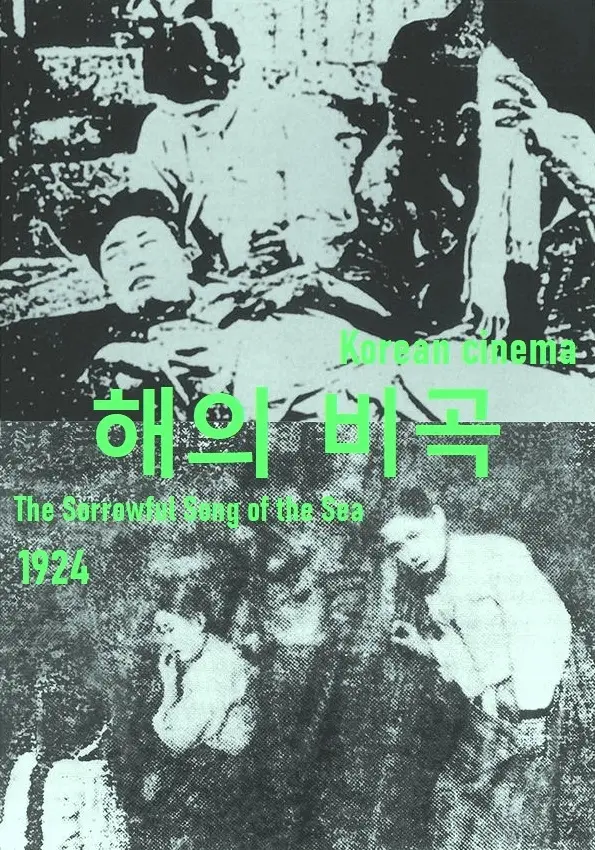
The Sorrowful Song of the Sea, a melodrama of unrelenting poignancy, is set against the majestic backdrop of Mount Hallasan on Jeju Island, Korea's largest island and a UNESCO World Heritage Site. This cinematic masterpiece, crafted by the visionary filmmaker Kanjo Takasa, delves into the intricate web of relationships between two generations of a family, exploring the profound impact of the past on the present.
The narrative centers around the complex, often fraught relationship between a father and son, whose lives are inextricably linked to the land and the sea that surround them. The film's protagonists, brought to life by a talented ensemble cast including Sooyoung Yoo, Jukyung Lee, Sam-son Ju, Wolhwa Lee, Heon Yoon, Jong-hwa Ahn, and Chae-jeon Lee, embark on a journey of self-discovery and redemption, set against the dramatic, volcanic landscape of Jeju Island.
The Sorrowful Song of the Sea is a film that defies easy categorization, instead occupying a unique liminal space between melodrama, tragedy, and poignant character study. Takasa's nuanced script, bolstered by the exceptional performances of the cast, navigates the complexities of familial relationships with sensitivity and depth, never shying away from the harsh realities of life, yet ultimately offering a message of hope and resilience.
In its exploration of the human condition, The Sorrowful Song of the Sea draws comparisons to works such as Smile Please, which also explores themes of family and tragedy, albeit in a different context. Similarly, Greater Than Fame and Der Weltspiegel share elements of melodrama and the struggle for identity, though The Sorrowful Song of the Sea distinguishes itself through its unique setting and narrative focus.
The film's use of Jeju Island as a character in its own right is noteworthy, with the island's stunning natural beauty serving as a poignant backdrop to the tragic events that unfold. From the majestic peak of Mount Hallasan to the rugged coastline and serene beaches, the island's diverse landscapes are captured with breathtaking precision, adding a visual richness to the narrative that is nothing short of captivating.
In examining the themes of love, loss, and redemption, The Sorrowful Song of the Sea invites comparisons to a range of films that have explored similar motifs, including Behind the Mask, Tarnish, and The Storm. Each of these films, in its own way, probes the complexities of the human experience, though The Sorrowful Song of the Sea stands out for its masterful storytelling, coupled with a profound empathy for its characters.
The performances of the cast are a significant factor in the film's impact, with each actor bringing a depth and nuance to their role. Sooyoung Yoo and Jukyung Lee, in particular, deliver standout performances as the central figures in the narrative, conveying the complexity of their characters' emotions with remarkable subtlety.
In conclusion, The Sorrowful Song of the Sea is a masterpiece of contemporary cinema, a film that not only showcases the talents of its cast and crew but also offers a profound meditation on the human condition. It is a must-see for audiences who appreciate nuanced storytelling, richly textured characters, and the exploration of themes that are both universally relatable and profoundly personal.
For those interested in exploring more films that delve into similar themes, Wolfe; or, the Conquest of Quebec, The Love Egg, and The Scarlet Road offer compelling narratives that, while distinct from The Sorrowful Song of the Sea, share elements of drama, tragedy, and the human condition.

IMDb —
1923
Community
Log in to comment.