DbcultAccessing Vault...
Cult Review
Senior Film Conservator
The Recoil (1924)
In the realm of silent cinema, few films have managed to encapsulate the intricate dance of human emotions as adeptly as The Recoil. Directed by an unknown entity, this 1924 masterpiece weaves a complex narrative that probes the depths of love, deception, and ultimately, redemption.
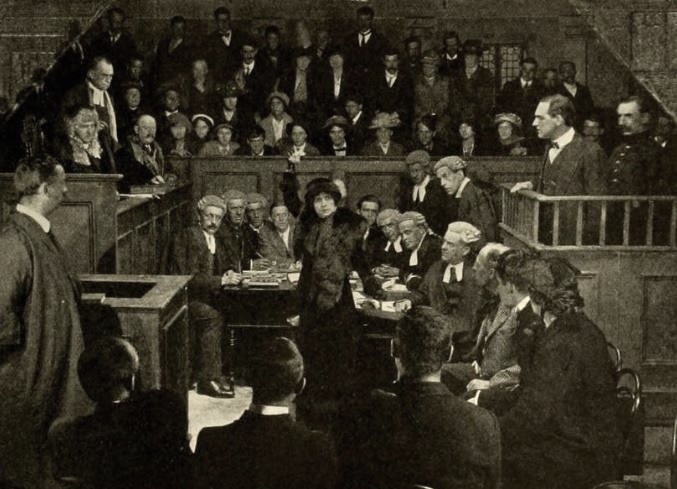
The film centers around Gordon Kent, a wealthy and influential individual with a penchant for manipulation. His life takes a dramatic turn with the introduction of Norma Selbee, a captivating beauty who inadvertently becomes entangled in Kent's revolutionary ambitions. Their courtship is swift, and they marry in a whirlwind romance. However, their union is short-lived, as Norma flees with the charming Marchmont, leaving Kent to exact a peculiar revenge: they shall be forever bound together.
As the story progresses, Kent's character undergoes significant development, transforming from a cold, calculating individual to someone who is capable of experiencing the full gamut of human emotions. His journey is marked by a gradual realization that his feelings for Norma have not dissipated, despite her betrayal. This epiphany sets the stage for a heartfelt reconciliation, as Kent and Norma navigate the turbulent waters of their relationship.
In terms of cinematography, The Recoil showcases a mastery of visual storytelling, with each frame meticulously crafted to convey the emotional depth of the characters. The performances of the cast, particularly Ernest Hilliard and Clive Brook, add a layer of authenticity to the narrative, rendering the characters' struggles and triumphs all the more believable.
When compared to other films of the era, The Recoil stands alongside Richelieu in its exploration of complex relationships and the human condition. Similarly, Dangerous Days and Solomon in Society share thematic similarities with The Recoil, delving into the intricacies of love, power, and deception. Furthermore, the film's use of visual motifs and symbolism is reminiscent of The Silent Witness and The Reed Case, highlighting the director's keen eye for detail and innovative storytelling techniques.
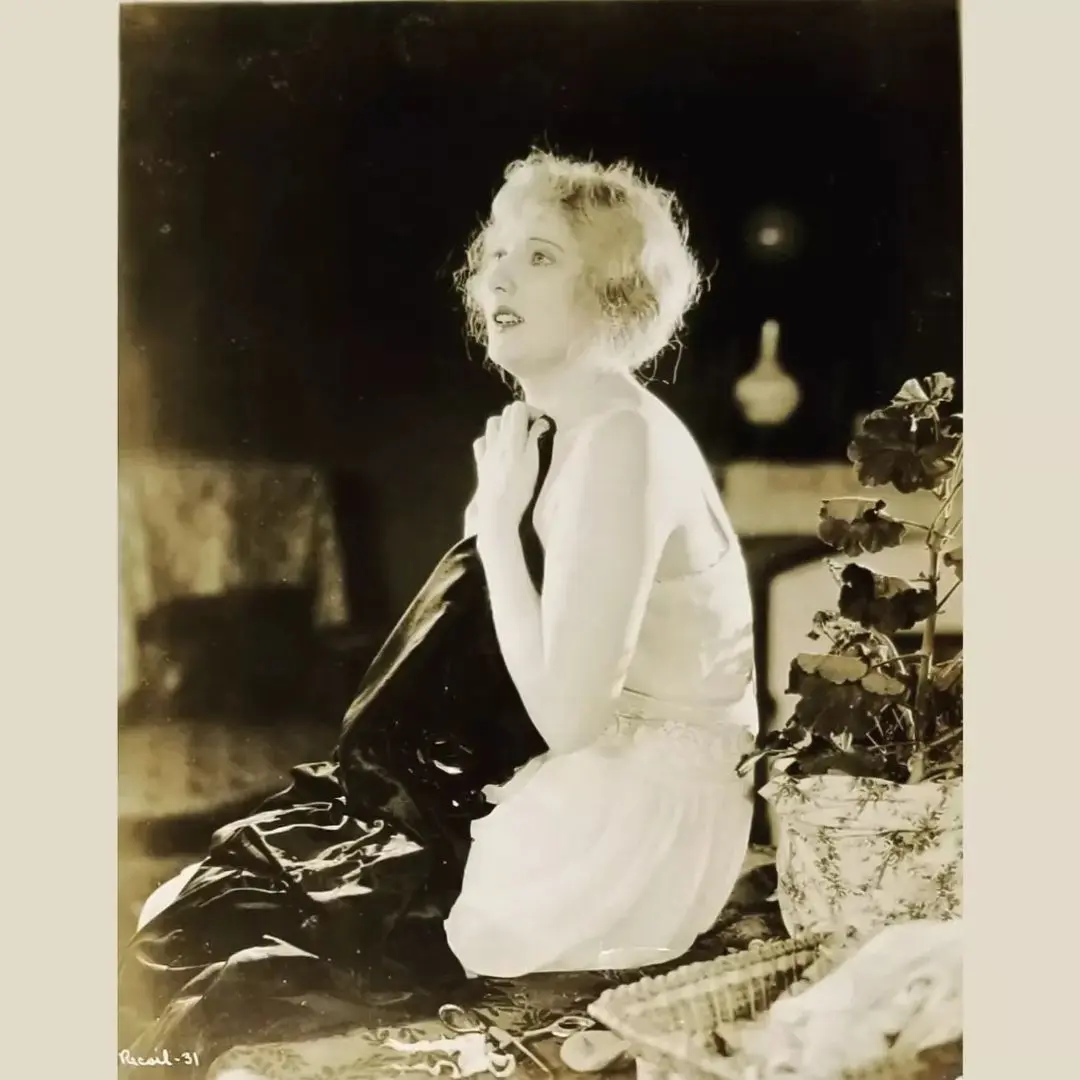
One of the most striking aspects of The Recoil is its thought-provoking exploration of love and relationships. The film raises important questions about the nature of love, the consequences of our actions, and the possibility of redemption. These themes are expertly woven throughout the narrative, creating a rich tapestry that rewards close attention and reflection.
In conclusion, The Recoil is a cinematic treasure that continues to captivate audiences with its timeless themes and masterful storytelling. If you're a fan of silent cinema or simply looking to explore the early days of film, this 1924 classic is an absolute must-see. With its intricate plot, memorable characters, and groundbreaking cinematography, The Recoil is a film that will leave you spellbound and eager to experience more of the magic of the silver screen.
The film's influence can also be seen in later works, such as North of Alaska and The Law of the North (1918), which share similar themes and motifs. Additionally, the film's use of symbolism and visual motifs is reminiscent of Das Ende vom Liede and Love and the Woman, highlighting the director's innovative approach to storytelling.
The performances of the cast, particularly Ernest Hilliard and Clive Brook, are noteworthy, bringing depth and nuance to the narrative. The film's score, while not explicitly mentioned, is equally effective in enhancing the emotional impact of the story, much like in Unprotected and Le brasier ardent.
In terms of historical context, The Recoil provides a fascinating glimpse into the social and cultural norms of the 1920s. The film's exploration of love, relationships, and power dynamics is particularly noteworthy, offering a commentary on the changing values of the time. This is also evident in films like A Boy and the Law and What Becomes of the Children?, which similarly explore the complexities of human relationships.
The film's themes of love, betrayal, and redemption are timeless, and its influence can be seen in many later works. For example, The End of the Road (1919) and The Fungi Cellars share similar motifs, highlighting the director's innovative approach to storytelling and the enduring appeal of The Recoil.
IMDb —
1936
Community
Log in to comment.