DbcultAccessing Vault...
Cult Review
Senior Film Conservator
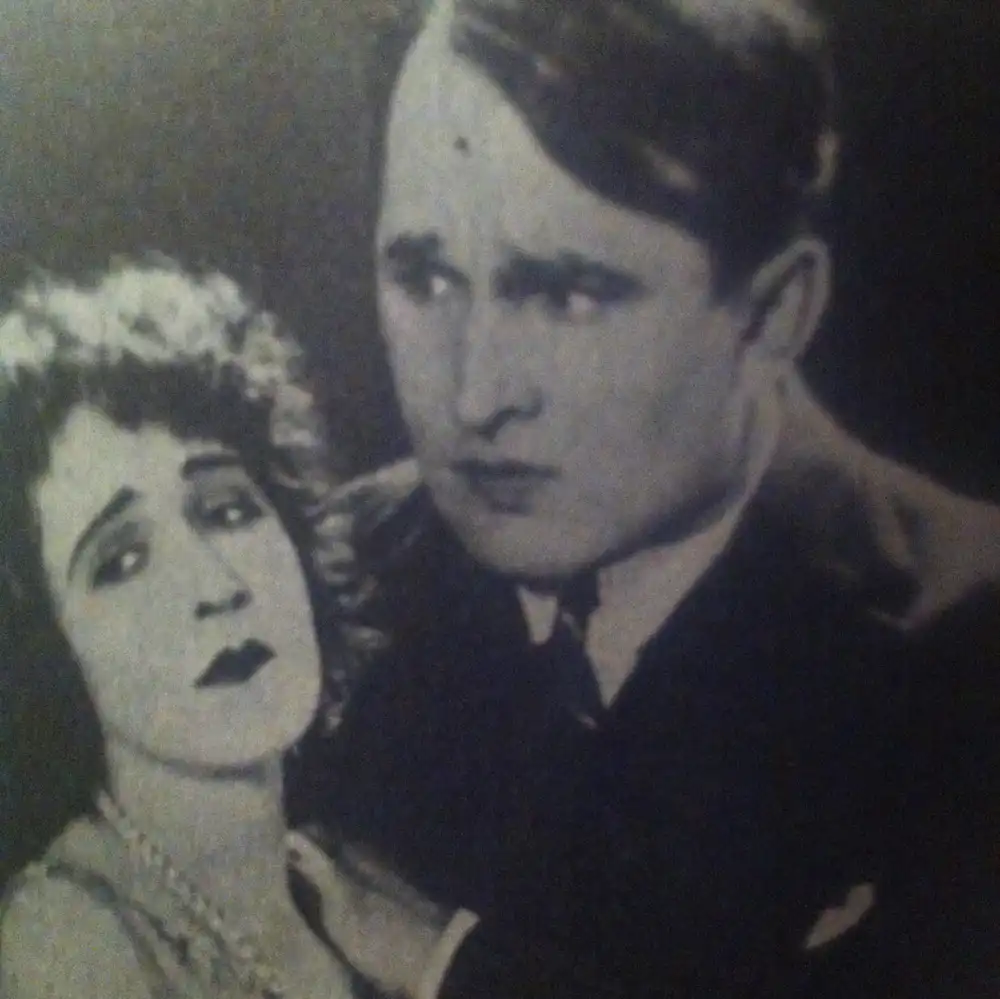
If you have a soft spot for silent-era melodrama, particularly the kind where everyone's emotions are etched across their faces like they're trying to communicate with a distant planet, then yes, Die Heilige und ihr Narr might be worth a look. For anyone else, especially those who find the histrionics of early cinema a bit much, you're probably better off finding something else to stream. It’s a film that demands a certain kind of patience, a willingness to lean into its specific brand of dramatic excess.
The painter, played by William Dieterle, has this intense, almost brooding presence. He’s all sharp angles and longing stares, which works for the 'tortured artist' vibe, but sometimes it feels like he's just... waiting for the camera to catch up. Lien Deyers, as the count's daughter, is beautiful, of course, but her character feels a little underwritten, more an object of desire than a person with her own agency. Her big emotional moments tend to involve a lot of hand-wringing and looking forlornly into the middle distance.
And then there’s Gina Manès as the stepmother. Oh, Manès. She chews scenery like it’s her last meal, and honestly, it’s often the most entertaining part of the film. Every glare, every tight-lipped smile, every sudden pivot feels calculated for maximum impact. There’s a scene where she just stands by a window, watching Dieterle and Deyers from afar, and her face goes through about five distinct stages of escalating fury without a single word. It’s glorious, a masterclass in silent film villainy, even if it does push the boundaries of believable human emotion. You can almost hear the dastardly organ music swelling in the background.
The film has this habit of letting scenes run a touch too long. A lingering shot of a character looking thoughtfully out a window, or a prolonged embrace, often goes on past the point of conveying emotion and starts to feel like the director just forgot to call 'cut.' It's not that every silent film needs to be a brisk affair, but here, some of the silences feel less deliberate and more like a pause button got stuck. It can be a bit of a drag, especially in the middle section when the lovers are separated and everyone just seems to be moping for extended periods.
The costumes are, as you’d expect, quite elaborate for the richer characters; Deyers often wears these flowing, almost ethereal gowns. Dieterle, the painter, is usually in something a bit more rustic, but still perfectly tailored, which makes sense for a romantic lead, I suppose. The sets are mostly convincing, though there's a moment in the count's estate where a background painting feels a little too... flat, almost like it was a last-minute addition to fill a blank wall. It pulls you out just for a second.
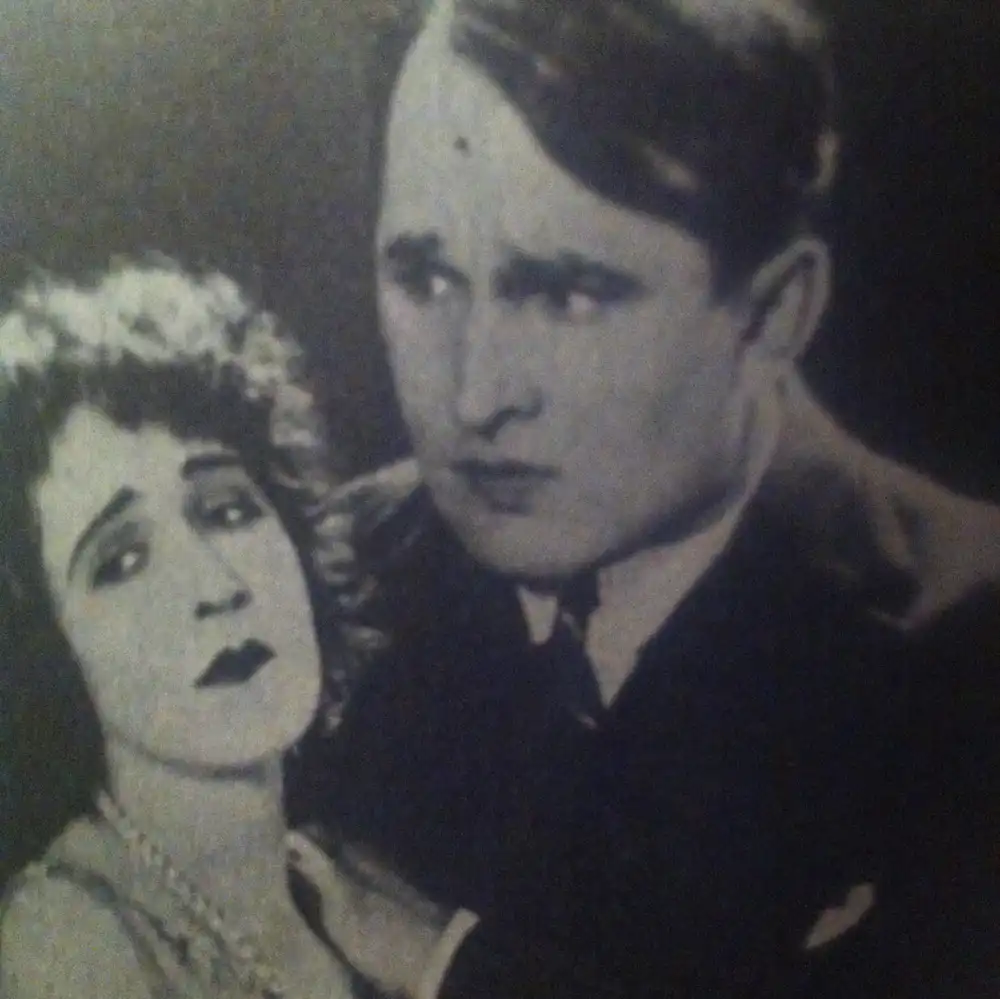
The chemistry between Dieterle and Deyers is... okay. It’s a silent film romance, so a lot of it relies on close-ups and longing gazes. Sometimes it works, particularly when they're allowed a moment of genuine tenderness, but other times it feels a bit forced, like they're hitting their marks rather than genuinely connecting. You see the setup for romance, but the spark itself flickers more often than it truly ignites.
There’s one particular edit, late in the film, where we cut from a very intense dramatic confrontation straight to a shot of a servant quietly cleaning dishes. It’s jarring, almost comical. I'm not sure if it was meant to be some kind of tonal contrast, but it just felt like a sudden, unexpected slapstick beat in the middle of all the high drama. The audience I was watching with actually chuckled.
The 'Saint' and 'Fool' dynamic of the title is pretty literal, almost to a fault. Deyers is the innocent, almost angelic figure, while Dieterle's painter is the passionate, slightly wild 'fool' who shakes up her world. It's a classic setup, but the film doesn't really do much to complicate it. You know exactly who everyone is from their first appearance, and they stick to those archetypes with a steadfastness that borders on predictable. There's not a lot of nuance to be found, which isn't necessarily a bad thing for a melodrama, but it does mean you're mostly watching the inevitable unfold.
Watching this, you find yourself rooting for the star-crossed lovers, of course, but also kind of waiting for the stepmother to just go full supervillain. She's the engine of most of the conflict, and when she's off-screen, things tend to slow down considerably. The film picks up noticeably whenever she's hatching a new scheme or delivering another withering look. Seriously, her performance carries a lot of the energy.
It’s not a lost masterpiece, and it’s certainly not going to convert anyone who isn't already a fan of the era. But for those who appreciate the theatricality, the grand gestures, and the earnestness of silent cinema, there are moments here that click. Just be prepared for some narrative lulls and the occasional chuckle at an overly dramatic reaction shot. It’s a specific taste, this one.
IMDb —
1926
Community
Log in to comment.